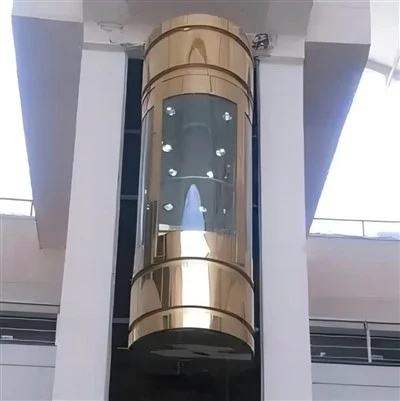
As a supplier of hospital elevators, I've had the privilege of engaging in numerous discussions with hospital administrators, architects, and medical staff about the unique requirements of different hospital departments. One question that often surfaces is whether standard hospital elevators are suitable for psychiatric wards. In this blog post, I'll delve into this topic, exploring the specific needs of psychiatric patients and how elevator design can accommodate them.
Understanding the needs of psychiatric wards
Psychiatric wards house patients with a wide range of mental health conditions, from anxiety and depression to more severe disorders such as schizophrenia and bipolar disorder. These patients may be more vulnerable, sensitive, and prone to agitation than those in other hospital departments. As such, the environment in psychiatric wards must be carefully designed to promote safety, comfort, and well - being.
One of the primary concerns in psychiatric wards is patient safety. Patients may be at risk of self - harm or harming others, and the physical environment should be designed to minimize these risks. Elevators, which are a common mode of transportation within hospitals, play a crucial role in this regard.


Safety features in elevator design
Anti - ligature design
Ligature points, where patients could potentially tie a rope or other material to harm themselves, are a significant concern in psychiatric settings. Standard hospital elevators may have features such as handrails, ventilation grilles, or emergency call buttons that could serve as ligature points. In contrast, elevators designed for psychiatric wards should be equipped with anti - ligature features. For example, smooth, rounded surfaces and recessed buttons can eliminate potential ligature points.
Monitoring and communication
Continuous monitoring of elevator cabins is essential in psychiatric wards. Elevators should be equipped with cameras that allow staff to observe the interior of the cabin at all times. Additionally, a reliable communication system should be in place so that patients can communicate with staff in case of an emergency. This can help prevent dangerous situations from escalating and ensure the safety of both patients and staff.
Controlled access
Psychiatric wards often require controlled access to prevent unauthorized entry and exit. Elevators can be integrated with the hospital's access control system, allowing only authorized personnel and patients to use the elevator. This can be achieved through the use of key cards, biometric scanners, or other access control technologies.
Comfort and therapeutic aspects
Noise reduction
Psychiatric patients may be more sensitive to noise than others. Excessive noise in an elevator can cause anxiety and distress. Therefore, elevators for psychiatric wards should be designed with noise - reduction features. This can include sound - insulating materials in the elevator cabin and machinery room, as well as quiet - running motors.
Lighting
Proper lighting is crucial for creating a calming and therapeutic environment. Soft, diffused lighting can help reduce anxiety and promote a sense of well - being. Elevators can be designed with adjustable lighting systems that allow staff to adjust the brightness according to the needs of the patients.
Interior design
The interior design of the elevator can also have a significant impact on the patient's experience. Aesthetically pleasing and calming colors, such as blues and greens, can help create a more relaxing environment. Additionally, the use of non - reflective surfaces can reduce visual distractions and discomfort.
Compatibility with hospital equipment
Stretcher and hospital bed compatibility
In a hospital setting, the ability to transport stretchers and hospital beds is essential. Our Hospital Stretcher Elevator and Elevator for Hospital Bed are designed to accommodate these large and bulky items. Even in psychiatric wards, there may be situations where patients need to be transported on stretchers or beds, for example, during a medical emergency or a transfer to another department.
Integration with other hospital systems
Elevators should be able to integrate seamlessly with other hospital systems, such as fire alarms, emergency evacuation systems, and building management systems. This ensures that in case of an emergency, the elevator can be used safely and effectively to evacuate patients and staff.
Cost - effectiveness and practicality
Long - term cost
While elevators designed for psychiatric wards may have a higher upfront cost due to the additional safety and comfort features, they can be more cost - effective in the long run. By preventing accidents and reducing the need for costly repairs and modifications, these elevators can save hospitals money over time.
Maintenance and durability
Elevators in psychiatric wards are likely to experience more wear and tear due to the nature of the patients' behavior. Therefore, they should be designed to be durable and easy to maintain. High - quality materials and components can ensure that the elevator operates reliably for many years with minimal downtime.
Conclusion
In conclusion, standard hospital elevators may not be suitable for psychiatric wards without appropriate modifications. Elevators for psychiatric wards need to incorporate specific safety, comfort, and functionality features to meet the unique needs of psychiatric patients. As a supplier of Hospital Pattern Elevator, we understand these requirements and are committed to providing elevators that are not only safe and reliable but also contribute to the well - being of patients.
If you are a hospital administrator, architect, or involved in the planning of a psychiatric ward, we would be delighted to discuss your elevator needs. Our team of experts can provide you with customized solutions that meet the highest standards of safety and comfort. Contact us to start a conversation about how our elevators can enhance the functionality and safety of your psychiatric ward.
References
- American Psychiatric Association. (2013). Diagnostic and Statistical Manual of Mental Disorders (5th ed.).
- Hospital Elevator Design Guidelines. (n.d.). Retrieved from various industry - specific publications and standards.
- Research on Patient Safety in Psychiatric Wards. (Multiple academic sources)