In the realm of healthcare facilities, ensuring seamless and inclusive mobility is of utmost importance. One critical aspect that often comes under scrutiny is the wheelchair accessibility of hospital elevators. As a leading hospital elevator supplier, I've witnessed firsthand the significance of this feature and the impact it has on patients, visitors, and staff alike.
The Imperative of Wheelchair Accessibility
Wheelchair accessibility in hospital elevators is not just a luxury; it's a necessity. Hospitals are places where people come seeking medical treatment, and many patients may have limited mobility or require the use of a wheelchair. For these individuals, navigating the hospital can be a daunting task, especially if the elevators are not designed to accommodate their needs.
A wheelchair - accessible elevator allows patients to move freely between different floors of the hospital, accessing various departments such as clinics, diagnostic centers, and operating rooms. It also provides convenience for visitors who may be accompanying patients in wheelchairs. Moreover, it enhances the overall efficiency of the hospital by enabling staff to transport patients and equipment more easily.
Design Features for Wheelchair Accessibility
When it comes to designing wheelchair - accessible hospital elevators, several key features need to be considered.
Size and Dimensions
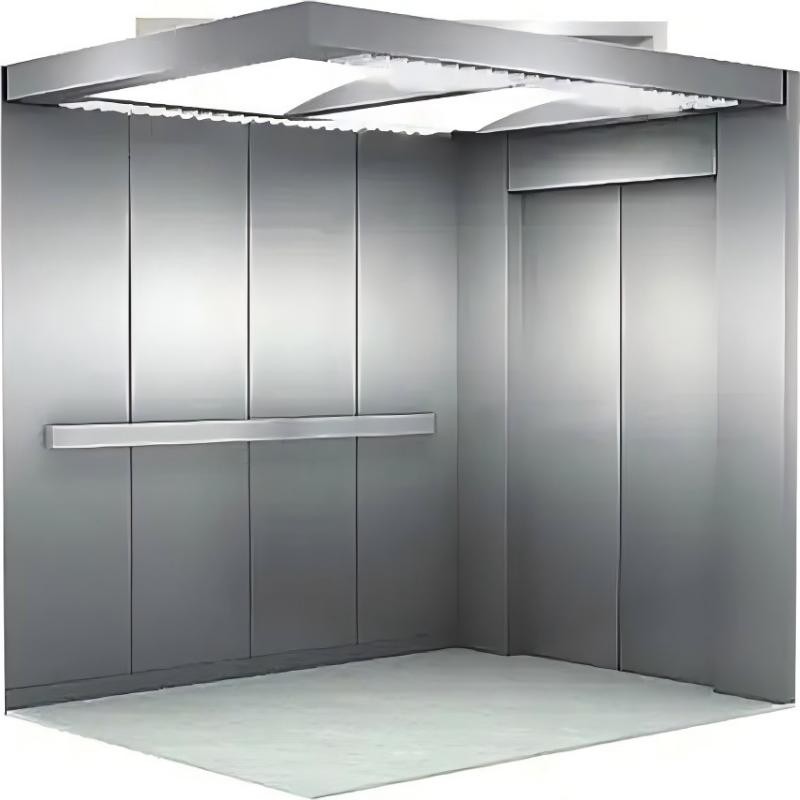
The elevator car should be large enough to comfortably accommodate a wheelchair. A minimum clear floor area of 1.5 square meters (16 square feet) is typically recommended, with a width of at least 0.8 meters (31.5 inches) to allow for easy entry and exit. This ensures that wheelchair users have enough space to maneuver without feeling cramped.
Door Width and Operation
The elevator doors should be wide enough to allow a wheelchair to pass through easily. A door width of at least 0.9 meters (35.4 inches) is standard for wheelchair - accessible elevators. Additionally, the doors should open and close smoothly and at a reasonable speed. Automatic doors with sensors are ideal, as they can detect the presence of a wheelchair and prevent them from closing prematurely.
Interior Layout
Inside the elevator, the controls should be within easy reach of wheelchair users. This means that the control panel should be installed at a lower height, typically between 0.9 and 1.1 meters (35.4 to 43.3 inches) from the floor. Braille indicators and audible signals should also be provided to assist visually impaired users.
Safety Features
Safety is paramount in hospital elevators. Wheelchair - accessible elevators should be equipped with features such as anti - slip flooring to prevent accidents, emergency stop buttons at a convenient height for wheelchair users, and emergency communication systems that can be easily accessed.
Our Hospital Elevator Solutions
As a hospital elevator supplier, we offer a range of products that are specifically designed with wheelchair accessibility in mind.
Our Hospital Freight Elevator is a robust solution that can handle heavy loads while still providing wheelchair access. It is built with a large car size and wide doors to accommodate wheelchairs, stretchers, and other medical equipment. The elevator is also equipped with advanced safety features to ensure the well - being of passengers.
The Bed Elevator In Hospital is another specialized product in our portfolio. This elevator is designed to transport patients on beds safely and efficiently. It has a spacious interior that can easily fit a bed along with a wheelchair, allowing for seamless transfer of patients between different floors.
Our Hospital Pattern Lift is a cost - effective option for smaller hospitals or areas with limited space. Despite its compact size, it still meets all the necessary standards for wheelchair accessibility. It is easy to install and maintain, making it a popular choice among healthcare providers.
The Impact on the Healthcare Experience
Wheelchair - accessible hospital elevators have a profound impact on the overall healthcare experience. For patients, it reduces stress and anxiety associated with moving around the hospital. They can focus on their treatment rather than worrying about how they will get to different departments.
For visitors, it makes it easier to support their loved ones during their hospital stay. They can accompany patients to various appointments without having to struggle with navigating an inaccessible elevator system.

From a staff perspective, wheelchair - accessible elevators improve work efficiency. They can transport patients and equipment more quickly and safely, which is crucial in a healthcare setting where time is often of the essence.
Meeting Regulatory Requirements
In many countries, there are strict regulations regarding wheelchair accessibility in public buildings, including hospitals. Our elevator products are designed and manufactured to comply with these regulations. We work closely with healthcare providers to ensure that our elevators meet all the necessary standards and codes. This not only helps hospitals avoid potential legal issues but also ensures that they are providing a safe and inclusive environment for all patients and visitors.
The Future of Hospital Elevator Accessibility
As technology continues to evolve, we can expect to see further improvements in wheelchair - accessible hospital elevators. For example, advancements in sensor technology may lead to even more intelligent door operation, with doors that can adjust their opening speed and width based on the size and movement of a wheelchair.
We may also see the integration of smart features such as real - time monitoring and predictive maintenance. This would allow hospitals to proactively address any potential issues with the elevators, ensuring that they are always in optimal working condition and accessible to wheelchair users.
Connect with Us for Your Hospital Elevator Needs
If you are in the market for hospital elevators that prioritize wheelchair accessibility, we are here to help. Our team of experts can work with you to understand your specific requirements and recommend the best elevator solutions for your healthcare facility. Whether you need a large - scale freight elevator or a compact pattern lift, we have the expertise and products to meet your needs.
Contact us today to start the conversation about how our hospital elevators can enhance the mobility and accessibility of your healthcare facility. We look forward to partnering with you to create a more inclusive and efficient hospital environment.
References
- Building Regulations for Accessible Buildings, [Country's Building Code Authority]
- Guidelines for Hospital Elevator Design, World Health Organization
- Standards for Wheelchair - Accessible Elevators, International Organization for Standardization