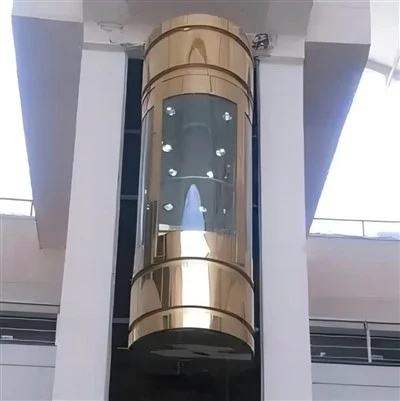
Are panoramic elevators suitable for disabled people? That's a question I often get asked as a panoramic elevator supplier. In this blog, I'll share my thoughts on this topic, based on my experience in the industry.
First off, let's talk about what panoramic elevators are. They're those cool elevators with glass walls that give you a great view of the surroundings as you go up and down. You can check out our Panoramic Glass Elevator, Capsule Elevator for Home, and Panoramic Glass Lift on our website. These elevators are not only functional but also add a touch of style to any building.
Now, let's get to the main question: are they suitable for disabled people? Well, it depends on a few factors.
Accessibility Features
One of the most important things to consider is the accessibility features of the panoramic elevator. Most modern panoramic elevators are designed with accessibility in mind. They usually have wide doors that can accommodate wheelchairs. The interior space is also large enough to allow a wheelchair to turn around easily.
There are often braille markings on the control panels, which are really helpful for visually impaired people. These markings allow them to independently select the floor they want to go to. Additionally, many panoramic elevators have audio announcements that tell passengers which floor the elevator is approaching and when the doors are opening and closing.
Safety Concerns
Safety is a major concern when it comes to any elevator, especially for disabled people. Panoramic elevators are generally just as safe as traditional elevators. They are equipped with safety features like emergency brakes, which can stop the elevator in case of a malfunction.
However, the glass walls of panoramic elevators might cause some anxiety for people with certain disabilities. For example, people with vertigo might feel uncomfortable due to the open view. Also, the transparency of the glass could potentially make some people with sensory processing disorders feel overstimulated.
Comfort and Convenience
In terms of comfort and convenience, panoramic elevators can be a great option for disabled people. The view can make the elevator ride more enjoyable, which is especially important for those who might have to use the elevator frequently.
On the other hand, the glass walls might let in more sunlight, which could make the elevator interior warmer. This could be a problem for people who are sensitive to heat. Also, if the elevator is located in a busy area, the noise from the outside might be more noticeable, which could be distracting or uncomfortable for some disabled passengers.
Installation and Maintenance
When it comes to installation and maintenance, panoramic elevators need to meet the same accessibility standards as other elevators. The installation process should ensure that the elevator is easily accessible from all floors, including ramps or level entrances for wheelchair users.
Regular maintenance is also crucial to keep the elevator in good working condition. This includes checking the accessibility features like the braille markings and audio announcements. If any of these features are not working properly, it can significantly affect the usability of the elevator for disabled people.
Cost Considerations
Cost is always a factor when it comes to installing an elevator. Panoramic elevators tend to be more expensive than traditional elevators due to the glass walls and the additional design elements. However, if the building owner is committed to providing accessible facilities, the cost might be worth it.
It's also important to note that some government programs or grants might be available to help cover the cost of installing an accessible elevator. This can make it more feasible for building owners to choose a panoramic elevator that meets the needs of disabled people.
Case Studies
Let's look at some real - world examples. In a large shopping mall, a panoramic elevator was installed to give shoppers a great view of the atrium. The elevator was designed with wide doors and braille - marked control panels. It was well - received by disabled shoppers, who appreciated the easy access and the enjoyable ride.


On the other hand, in a high - rise office building, some employees with vertigo reported feeling uncomfortable using the panoramic elevator. The building management had to provide an alternative traditional elevator for these employees.
Conclusion
So, are panoramic elevators suitable for disabled people? The answer is that they can be, but it depends on how well the elevator is designed and installed. If the elevator has the right accessibility features, is safe, and takes into account the specific needs of disabled people, it can be a great option.
As a panoramic elevator supplier, I'm committed to providing elevators that are accessible and suitable for all users. If you're considering installing a panoramic elevator in your building and have questions about its suitability for disabled people, or if you want to discuss the specific features and options, feel free to reach out. We can work together to find the best solution for your needs.
If you're interested in our Panoramic Glass Elevator, Capsule Elevator for Home, or Panoramic Glass Lift, don't hesitate to contact us for a quote and to start the procurement process. Let's make your building more accessible and stylish with our panoramic elevators!
References
- International Building Code (IBC) - Accessibility Requirements
- Americans with Disabilities Act (ADA) - Elevator Guidelines
- Elevator Manufacturers Association Publications on Accessibility