When it comes to purchasing a passenger lift, most people primarily focus on the upfront price. However, it's crucial to understand that there are often additional costs associated with a passenger lift beyond the initial purchase price. As a supplier of passenger lifts, I've encountered numerous customers who were caught off guard by these extra expenses. In this blog post, I'll delve into the various additional costs you should consider when budgeting for a passenger lift.
Installation Costs
One of the most significant additional costs associated with a passenger lift is the installation. Installing a passenger lift is a complex process that requires specialized skills and equipment. The installation cost can vary depending on several factors, including the type of lift, the location of the installation, and the complexity of the project.
For instance, installing a Small Passenger Elevator in a residential building may be less expensive than installing a Commercial Passenger Lift in a high-rise office building. The latter may require more extensive structural modifications, additional safety features, and a longer installation time, all of which can drive up the cost.
Moreover, the location of the installation can also impact the cost. If the building is in a remote area or has limited access, the installation team may need to incur additional transportation and logistics costs. Additionally, if the installation requires working in a confined space or at a great height, special safety measures and equipment may be necessary, further increasing the cost.
Maintenance and Repair Costs
Once the passenger lift is installed, regular maintenance is essential to ensure its safe and efficient operation. Maintenance costs typically include routine inspections, lubrication, cleaning, and replacement of worn-out parts. The frequency and extent of maintenance required depend on the type of lift, its usage, and the manufacturer's recommendations.
On average, maintenance costs for a passenger lift can range from a few hundred to several thousand dollars per year. For example, a basic Machine Room Passenger Elevator may require less maintenance than a more advanced model with sophisticated control systems and safety features. However, regardless of the type of lift, it's important to budget for regular maintenance to avoid costly breakdowns and ensure the longevity of the equipment.
In addition to routine maintenance, unexpected repairs may also be necessary over the life of the lift. Repairs can be caused by a variety of factors, such as wear and tear, mechanical failures, or electrical problems. The cost of repairs can vary widely depending on the nature and severity of the issue. Minor repairs, such as replacing a faulty switch or a worn-out belt, may cost a few hundred dollars, while major repairs, such as replacing the elevator car or the control system, can cost tens of thousands of dollars.
To minimize the risk of unexpected repair costs, it's advisable to choose a reputable lift manufacturer and installer who offers a comprehensive warranty and after-sales service. Additionally, regular maintenance can help detect and address potential issues before they become major problems, reducing the likelihood of costly repairs.
Operational Costs
Another important consideration when budgeting for a passenger lift is the operational costs. These costs include electricity consumption, insurance, and compliance with local regulations.
Electricity consumption is one of the primary operational costs associated with a passenger lift. The amount of electricity used depends on several factors, such as the size and capacity of the lift, the frequency of use, and the efficiency of the motor and control system. On average, a passenger lift can consume anywhere from a few hundred to several thousand kilowatt-hours of electricity per year. To reduce electricity consumption and lower operational costs, it's advisable to choose an energy-efficient lift model and implement energy-saving measures, such as using LED lighting and installing a regenerative drive system.
Insurance is also a necessary expense for passenger lifts. Lift insurance typically covers liability for injuries or damages caused by the lift, as well as property damage to the lift itself. The cost of insurance depends on several factors, including the type of lift, its usage, and the location of the building. It's important to shop around and compare insurance quotes from different providers to ensure you're getting the best coverage at a reasonable price.
Finally, compliance with local regulations is essential for passenger lifts. Depending on the jurisdiction, there may be specific requirements for lift installation, maintenance, and safety. These requirements may include regular inspections, safety certifications, and compliance with building codes and accessibility standards. Failure to comply with these regulations can result in fines, penalties, and even legal liability. Therefore, it's important to work with a lift supplier who is familiar with local regulations and can ensure that your lift meets all the necessary requirements.
Modernization and Upgrades
Over time, your passenger lift may need to be modernized or upgraded to keep up with changing technology, safety standards, and user requirements. Modernization and upgrades can include replacing outdated components, improving the control system, adding new safety features, or enhancing the aesthetics of the lift.

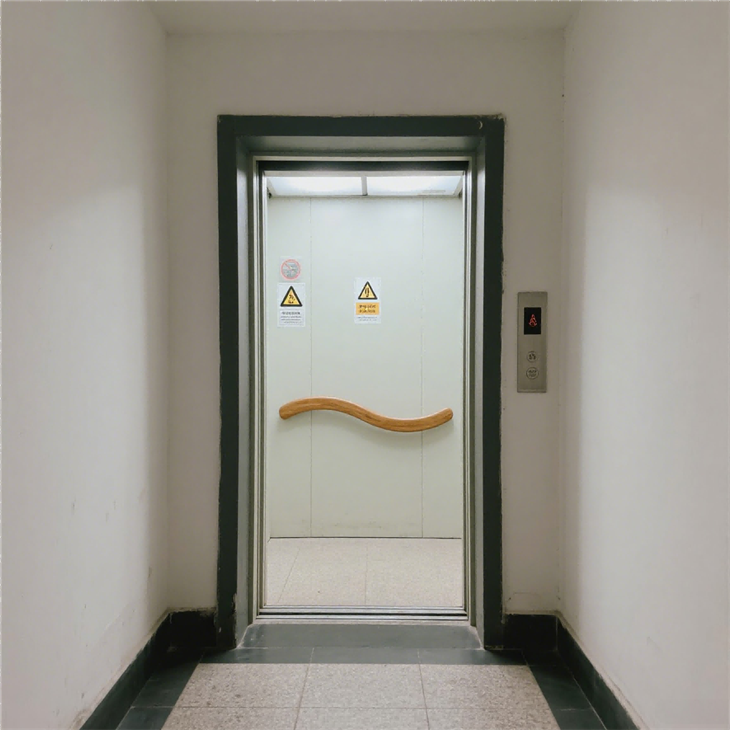
The cost of modernization and upgrades can vary widely depending on the scope and complexity of the project. Minor upgrades, such as replacing the elevator doors or the interior finish, may cost a few thousand dollars, while major modernization projects, such as replacing the entire control system or the elevator car, can cost tens of thousands of dollars.
However, investing in modernization and upgrades can have several benefits. It can improve the safety and reliability of the lift, enhance the user experience, and increase the value of the building. Additionally, modernization and upgrades can help extend the lifespan of the lift, reducing the need for a costly replacement in the future.
Conclusion
In conclusion, when considering the price of a passenger lift, it's important to take into account the various additional costs associated with its installation, maintenance, operation, and modernization. By understanding these costs upfront, you can make an informed decision and budget accordingly.
As a supplier of passenger lifts, I'm committed to providing my customers with transparent pricing and comprehensive information about all the costs associated with their lift purchase. If you're interested in learning more about our passenger lift products and services, or if you have any questions about the additional costs involved, please don't hesitate to contact me. I'd be happy to discuss your specific needs and provide you with a detailed quote.
References
- Elevator World Magazine
- National Elevator Industry, Inc. (NEII)
- International Association of Elevator Engineers (IAEE)