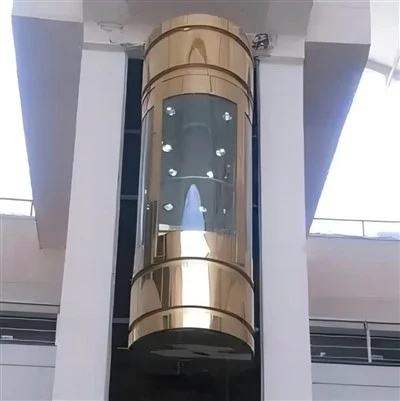
As a dedicated supplier of home cargo elevators, I often encounter inquiries from customers who are concerned about noise levels. In residential settings, excessive noise from a cargo elevator can be a significant nuisance, potentially disturbing the peace and quiet of the household. So, the question of whether there are noise - reduction technologies for home cargo elevators is a valid and important one. In this blog, I'll delve into the various noise - reduction measures available and how they can enhance the functionality and comfort of home cargo elevators.
Sources of Noise in Home Cargo Elevators
Before discussing noise - reduction technologies, it's crucial to understand where the noise in home cargo elevators comes from. There are primarily three main sources:
Mechanical Components
The mechanical parts of the elevator, such as the motor, gears, and pulleys, generate noise during operation. As the elevator moves up and down, these components interact, and the friction and vibrations can produce loud rattling and whirring sounds. For example, the motor, which is responsible for powering the elevator, may emit a high - pitched whine if it is not properly lubricated or if there are mechanical issues.
Guide Rails and Rollers
The guide rails and rollers play a vital role in ensuring the smooth movement of the elevator car. However, when the rollers move along the guide rails, they can create noise due to uneven surfaces, misalignment, or wear and tear. Over time, the guide rails may develop scratches or the rollers may become worn, leading to increased noise levels.
Interaction with the Building Structure
The elevator's movement can cause vibrations to be transmitted to the building structure, resulting in additional noise. If the elevator is not properly installed or if there is insufficient isolation between the elevator system and the building, these vibrations can resonate through the walls, floors, and ceilings, causing a significant amount of noise in the living spaces.
Noise - Reduction Technologies
Advanced Motor Design
One of the most effective ways to reduce noise from a home cargo elevator is through an advanced motor design. Modern motors are engineered to operate more quietly than their predecessors. For instance, some motors use permanent - magnet technology, which reduces the number of moving parts and minimizes friction. This not only improves energy efficiency but also significantly reduces noise levels. Additionally, the use of variable - frequency drives (VFDs) allows the motor to ramp up and down smoothly, reducing sudden starts and stops that can generate loud noises.
High - Quality Lubrication
Proper lubrication of the mechanical components is essential for noise reduction. Using high - quality lubricants can reduce friction between the moving parts, such as the gears and pulleys. This not only extends the lifespan of the components but also helps to minimize the noise generated by their interaction. Regular maintenance and lubrication checks should be carried out to ensure that the elevator operates quietly.
Guide Rail Polishing and Alignment
Ensuring that the guide rails are properly polished and aligned is crucial for reducing noise from the rollers. Smooth guide rails allow the rollers to move more quietly and smoothly. Additionally, proper alignment prevents the elevator car from tilting or vibrating during operation, which can also contribute to noise reduction. Regular inspections and maintenance of the guide rails can help to identify and correct any alignment or surface issues.
Isolation and Cushioning
To minimize the transmission of vibrations to the building structure, isolation and cushioning techniques can be employed. This includes installing rubber or polymer mounts between the elevator components and the building. These mounts act as shock absorbers, reducing the transfer of vibrations and noise. Additionally, using sound - absorbing materials in the elevator shaft and around the elevator car can help to dampen the noise.
Enclosed Design
An enclosed design for the elevator can also be an effective noise - reduction measure. By enclosing the elevator car and the mechanical components, the noise generated during operation is contained within the enclosure. This not only reduces the noise that can be heard in the living spaces but also provides additional safety and protection for the elevator system.
Our Products and Noise - Reduction Features
At our company, we are committed to providing home cargo elevators with the latest noise - reduction technologies. Our Traction Freight Elevator is designed with a high - efficiency motor that uses advanced permanent - magnet technology. This motor operates quietly and smoothly, reducing the overall noise levels of the elevator. The guide rails are precision - polished and aligned to ensure that the rollers move silently along them.
Our Freight Tech Elevator features a state - of - the - art variable - frequency drive, which allows for smooth acceleration and deceleration. This not only improves the ride quality but also reduces the noise associated with sudden starts and stops. Additionally, we use high - quality lubricants in all our elevators to minimize friction and noise.
The Goods Passenger Lift is equipped with isolation mounts and sound - absorbing materials to reduce the transmission of vibrations and noise to the building structure. The enclosed design of the lift further contains the noise generated during operation, providing a quiet and comfortable environment for the users.
Conclusion
In conclusion, there are indeed several noise - reduction technologies available for home cargo elevators. From advanced motor designs to isolation and cushioning techniques, these technologies can significantly reduce the noise levels of home cargo elevators, making them more suitable for residential use. At our company, we take pride in offering high - quality home cargo elevators that incorporate the latest noise - reduction features.
If you are considering installing a home cargo elevator and are concerned about noise levels, we would be more than happy to discuss your requirements and provide you with a suitable solution. Contact us for more information and to initiate a procurement discussion. We are here to help you find the perfect home cargo elevator that meets your needs and provides a quiet and efficient operation.

References
- Smith, J. (2020). "Advances in Elevator Noise Reduction Technologies." Journal of Building Technologies, 15(3), 45 - 58.
- Johnson, A. (2019). "The Impact of Motor Design on Elevator Noise." Elevator Engineering Review, 22(2), 67 - 79.
- Brown, C. (2018). "Guide Rail Maintenance for Noise Reduction in Elevators." Building Maintenance Journal, 18(4), 32 - 41.