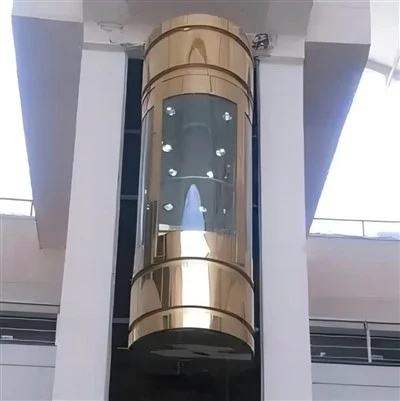
Are there any regulations for warehouse elevator lifts?
In the dynamic world of warehousing and logistics, warehouse elevator lifts play a pivotal role. As a leading supplier of warehouse elevator lifts, I've witnessed first - hand how these machines can transform the efficiency and productivity of warehouses. Not only do they facilitate the vertical movement of goods, but they can also have specific models designed for the vertical transportation of both goods and people, such as the Goods And Passenger Lift and the Goods Passenger Lift. However, the operation of such equipment is not free - reign; there exist a multitude of regulations that govern warehouse elevator lifts.
Understanding the Regulatory Landscape
The very foundation of regulations for warehouse elevator lifts lies in ensuring safety. Safety is of utmost importance, as these lifts are often used in high - traffic areas where employees, valuable goods, and the integrity of the building structure are at stake.
In many countries, national and local safety standards form the backbone of lift regulations. For example, in the United States, the Occupational Safety and Health Administration (OSHA) sets strict guidelines for workplace safety, including requirements for elevator lifts in warehouses. OSHA regulations cover aspects such as proper installation, regular maintenance, and operator training. Lifts must be installed by qualified professionals who follow detailed engineering and safety specifications. The structural integrity of the lift, including the hoistways, cables, and carriages, must meet specific load - bearing requirements to prevent collapses or failures.
Similarly, in the European Union, the Machinery Directive and the Construction Products Regulation impose comprehensive safety requirements on elevator lifts. These regulations ensure that all lifts sold or used within the EU are safe, reliable, and environmentally friendly. They cover aspects like design, manufacturing, installation, and ongoing safety checks. For instance, lift manufacturers must conduct rigorous risk assessments during the design phase and provide clear instructions for installation, use, and maintenance.
Installation and Design Regulations
Design and installation regulations for warehouse elevator lifts are highly detailed. Lifts must be designed to accommodate the specific types of goods that will be transported. For example, if a warehouse deals with heavy machinery, the lift must have a robust design with high - capacity load - bearing components. The traction system, which is crucial for the movement of the lift, must also be reliable. Our Traction Freight Elevator is designed to adhere to all these design and safety norms, ensuring that it can handle heavy loads with ease and safety.
The installation process is also strictly regulated. Installation companies must obtain the necessary permits before starting work. They are required to follow detailed installation plans and perform quality control checks at every stage. After installation, a series of inspections and tests are carried out to ensure that the lift meets all safety and performance standards. This includes load - testing the lift to ensure it can handle its maximum rated capacity without any signs of stress or failure.
Maintenance and Inspection Regulations
Regular maintenance is a non - negotiable aspect of warehouse elevator lift operations. Regulations typically mandate that lifts be maintained at regular intervals by qualified technicians. These technicians must follow a detailed maintenance schedule, which includes tasks such as lubricating moving parts, checking the integrity of cables and pulleys, and inspecting the electrical systems.


Inspections are also an integral part of the regulatory framework. Periodic inspections are carried out by independent safety inspectors to ensure that the lift continues to meet all safety and performance standards. These inspections can be annual, bi - annual, or more frequent depending on the type of lift and its usage. Any identified issues must be addressed immediately to prevent accidents or breakdowns.
Operator Training Regulations
Operators of warehouse elevator lifts are another key aspect of the regulatory equation. In most jurisdictions, operators must undergo comprehensive training before they are allowed to use the lifts. This training covers topics such as basic lift operation, safety procedures, emergency protocols, and how to handle common malfunctions.
For example, operators must be trained on how to properly load and unload goods onto the lift to prevent uneven weight distribution, which can lead to instability. They must also be familiar with emergency stop procedures and how to evacuate the lift in case of a crisis. Additionally, operators are often required to hold a valid license or certification to operate the lift, which is usually obtained after passing a written and practical test.
Impact of Regulations on Our Business as a Supplier
As a supplier of warehouse elevator lifts, these regulations have a profound impact on our business. On one hand, they ensure that we produce high - quality, safe products. This is beneficial in the long run as it builds trust with our customers. Our products, such as the Goods And Passenger Lift, are designed and manufactured to exceed regulatory requirements, giving our customers peace of mind.
On the other hand, complying with regulations also adds to our production and operational costs. We need to invest in research and development to ensure that our products meet the latest safety standards. We also have to conduct regular quality control checks and provide detailed documentation to prove compliance. However, we believe that these costs are a small price to pay for the safety of our customers and the reputation of our business.
Conclusion and Call to Action
In conclusion, there are indeed numerous regulations for warehouse elevator lifts, covering every aspect from design and installation to maintenance and operator training. These regulations are in place to ensure the safety and efficiency of warehouse operations. As a leading supplier of warehouse elevator lifts, we are committed to adhering to all these regulations and providing our customers with the highest quality products.
If you are in the market for a reliable, safe, and compliant warehouse elevator lift, look no further. We offer a wide range of products, including the Traction Freight Elevator, the Goods And Passenger Lift, and the Goods Passenger Lift. Contact us to discuss your specific requirements and let us help you find the perfect lift for your warehouse.
References
- Occupational Safety and Health Administration (OSHA) regulations, United States
- Machinery Directive and Construction Products Regulation, European Union