As a supplier of small freight elevators, I've encountered numerous inquiries regarding the special requirements for elevator shafts. In this blog, I'll delve into the key aspects that need attention when it comes to the shaft of a small freight elevator.
Structural Integrity
One of the primary considerations for the shaft of a small freight elevator is its structural integrity. The shaft must be able to withstand the dynamic loads imposed by the elevator during operation. This includes the weight of the elevator car, the cargo it carries, and the forces generated during acceleration and deceleration.
The construction materials of the shaft play a crucial role. Reinforced concrete is a popular choice due to its high strength and durability. It can provide a stable foundation for the elevator system and resist the forces exerted on it over time. Steel framing can also be used, especially in cases where a more flexible or lighter structure is required. However, regardless of the material used, proper engineering and construction techniques are essential to ensure the shaft's ability to maintain its shape and integrity.
The shaft should also be designed to resist external factors such as seismic activity, wind loads, and temperature variations. In earthquake - prone areas, additional reinforcement and seismic isolation measures may be necessary to protect the elevator shaft and the equipment inside. Moreover, the shaft must be properly insulated to prevent excessive heat or cold from affecting the elevator's performance.
Size and Dimensions
The dimensions of the shaft are closely related to the size of the elevator car and the intended use of the freight elevator. Firstly, the shaft must be large enough to accommodate the elevator car and its associated components, such as guide rails, counterweights, and cables. A clearance of at least a few inches on all sides of the car is typically required to allow for smooth movement and maintenance access.
The height of the shaft is determined by the number of floors the elevator will serve. Accurate measurement of the floor - to - floor distances is crucial to ensure that the elevator can travel the necessary vertical distance safely. Additionally, if the elevator is designed to carry large or bulky items, the shaft width and depth need to be adequately sized to allow for easy loading and unloading of goods.
For example, if you are considering a Traction Freight Elevator, the shaft dimensions need to be carefully calculated based on the specific requirements of this type of elevator. Traction elevators often have different space requirements compared to other types, due to the presence of the traction machine and associated components.
Ventilation and Fire Safety
Proper ventilation is an important consideration for the shaft of a small freight elevator. Since the elevator machinery generates heat during operation, adequate ventilation helps to dissipate this heat and prevent overheating of the equipment. Ventilation also helps to remove fumes and odors that may be generated by the elevator components.
In terms of fire safety, the shaft must comply with relevant building codes. Fire - rated materials should be used in the construction of the shaft to prevent the spread of fire and smoke. Fire dampers may need to be installed in the ventilation ducts to close automatically in the event of a fire, preventing the rapid spread of flames and smoke through the shaft.
Access doors on the shaft should be fire - rated and self - closing to ensure maximum protection. Fire sprinkler systems can also be installed inside the shaft as an additional safety measure to suppress any potential fires.
Electrical and Control Systems
The shaft of a small freight elevator also houses important electrical and control systems. The wiring for the elevator's lights, communication devices, and control circuits must be installed in a safe and organized manner. The electrical cables should be protected from physical damage and moisture to prevent short - circuits and malfunctions.
The control panel, which is usually located in the shaft or in a dedicated control room, needs to be easily accessible for maintenance and troubleshooting. It should be designed and installed in accordance with electrical safety standards to ensure the reliable operation of the elevator.
For Goods Passenger Lift, the electrical and control systems may be more complex than those of a standard freight elevator, as they may need to meet additional safety requirements for passenger use.
Maintenance Access
Ease of maintenance is a critical factor in the design of the elevator shaft. There should be sufficient access points in the shaft to allow maintenance personnel to reach all components of the elevator system, including the motor, gears, and guide rails. These access points should be large enough to allow the passage of tools and replacement parts.
Manhole covers or access doors should be installed at strategic locations along the shaft wall. They should be easily removable and lockable to prevent unauthorized access. Regular maintenance of the elevator shaft and its components is essential for the safe and reliable operation of the elevator. This includes inspecting for signs of wear and tear, corrosion, and loose connections.
Compatibility with Elevator Type
The special requirements for the shaft can also vary depending on the type of small freight elevator. For instance, a Commercial Freight Elevator may have different shaft requirements compared to a residential or industrial freight elevator.

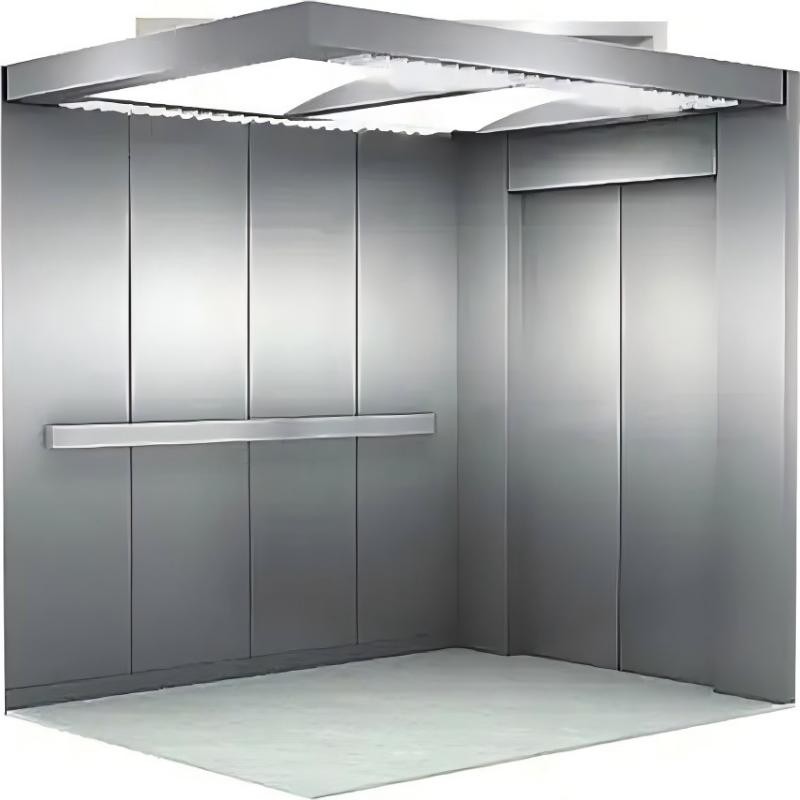
Commercial freight elevators are often designed to handle heavier loads and more frequent use. As a result, the shaft may need to be more robustly constructed, with additional reinforcement and higher - capacity components. The shaft may also need to be designed to accommodate features such as advanced security systems or high - speed operation.
Conclusion
In conclusion, there are indeed several special requirements for the shaft of a small freight elevator. These requirements cover a wide range of aspects, from structural integrity and size to ventilation, fire safety, electrical systems, maintenance access, and compatibility with the elevator type.
If you are in the market for a small freight elevator and need guidance on the shaft requirements or any other aspects of elevator selection and installation, we are here to help. Our team of experts has extensive experience in providing customized solutions for various elevator needs. Contact us to start a discussion about your project and explore how our small freight elevators can meet your specific requirements.
References
- Building codes and standards related to elevator construction and installation.
- Manufacturer's guidelines for small freight elevator design and shaft requirements.