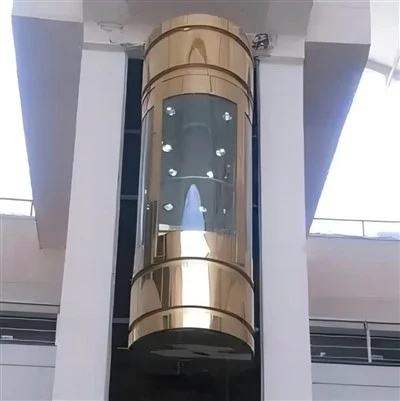
Hey there! As a supplier of small freight elevators, I often get asked about ventilation requirements. It's a crucial topic that can significantly impact the performance and safety of these elevators. Let's dive right in and explore whether there are any ventilation needs for small freight elevators.
Why Ventilation Matters
First off, let's understand why ventilation is even a consideration. Small freight elevators are used to transport all sorts of goods, from heavy equipment to perishable items. During operation, the elevator machinery generates heat. Without proper ventilation, this heat can build up inside the elevator shaft and the elevator car itself. High temperatures can cause the machinery to overheat, leading to breakdowns and costly repairs.
Moreover, if the elevator is transporting items that emit odors or fumes, like chemicals or food products, poor ventilation can make the air inside the elevator shaft unpleasant and potentially harmful. This is not only a concern for the people who might be operating or maintaining the elevator but also for the integrity of the goods being transported.
Factors Affecting Ventilation Requirements
Several factors determine whether a small freight elevator needs ventilation.
Type of Goods
- If you're using the elevator to transport goods that generate heat, such as electronics or machinery that is running during transit, ventilation becomes more critical. These items can add to the heat load inside the elevator car, and proper airflow is needed to keep the temperature in check.
- On the other hand, if you're mainly transporting non - heat - generating and odorless items like boxes of paper or clothing, the ventilation requirements may be less strict.
Elevator Usage Frequency
- A small freight elevator that is in constant use will generate more heat than one that is used infrequently. High - usage elevators need better ventilation to dissipate the heat produced by the repeated operation of the motor, brakes, and other components.
- For example, in a busy warehouse where the elevator is used dozens of times a day to move goods between floors, proper ventilation can prevent overheating and extend the lifespan of the elevator.
Location and Surrounding Environment
- The location of the elevator matters. If the elevator is installed in a hot and humid environment, like in a tropical region or a poorly ventilated basement, additional ventilation may be required to counteract the ambient heat and moisture.
- Similarly, if the elevator is located near a source of pollutants or strong odors, such as a garbage disposal area or a paint storage room, ventilation is necessary to prevent the contamination of the elevator and the goods it transports.
Ventilation Options for Small Freight Elevators
Now that we know why ventilation is important and what factors affect it, let's look at some ventilation options.
Natural Ventilation
- Natural ventilation can be achieved through vents or openings in the elevator shaft. These vents allow outside air to enter and circulate inside the shaft, carrying away heat and odors. For small freight elevators in low - rise buildings or areas with mild climates, natural ventilation can be a cost - effective solution.
- However, natural ventilation may not be sufficient in all cases. It depends on factors like the size of the vents, the wind direction, and the temperature difference between the inside and outside of the shaft.
Mechanical Ventilation
- Mechanical ventilation systems, such as fans or blowers, can provide more reliable and consistent airflow. These systems can be installed in the elevator shaft or the elevator car itself.
- In the shaft, fans can be used to draw in fresh air from outside and expel hot, stale air. In the elevator car, a ventilation system can help maintain a comfortable environment for any goods that are sensitive to air quality.
Our Small Freight Elevator Offerings
As a supplier, we understand the importance of ventilation in small freight elevators. That's why we offer a range of elevator models that can be customized with ventilation solutions to meet your specific needs.
- Goods Passenger Lift: This versatile lift is suitable for both goods and occasional passenger use. It can be equipped with a ventilation system to ensure a comfortable and safe environment. Check it out Goods Passenger Lift.
- Traction Freight Elevator: Our traction freight elevator is known for its efficiency and reliability. We can install a mechanical ventilation system to keep the machinery cool and the air fresh. Learn more about it Traction Freight Elevator.
- Freight Tech Elevator: This high - tech elevator is designed with the latest features. It comes with options for advanced ventilation controls to optimize airflow. Discover it Freight Tech Elevator.
Conclusion
In conclusion, there can be ventilation requirements for small freight elevators, depending on the type of goods, usage frequency, and location. Proper ventilation is essential for the longevity of the elevator, the safety of the goods, and the comfort of those involved in its operation.

If you're in the market for a small freight elevator and want to discuss ventilation options or any other requirements, don't hesitate to reach out. We're here to help you find the perfect solution for your business. Whether you need a simple natural ventilation setup or a complex mechanical system, we've got you covered.
References
- ASME A17.1 Safety Code for Elevators and Escalators
- NFPA 101 Life Safety Code