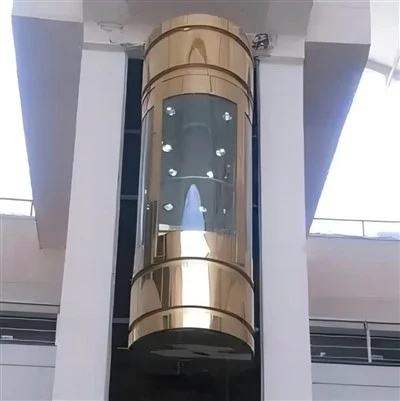
Retrofitting a panoramic elevator into an existing building is a topic that combines both functional innovation and aesthetic enhancement. As a panoramic elevator supplier, I've had numerous queries regarding the feasibility of this undertaking. In this blog, I'll delve into the technical, financial, and regulatory aspects of retrofitting a panoramic elevator into an existing building to offer a comprehensive view.
Technical Feasibility
The first consideration when discussing the retrofit of a panoramic elevator in an existing building is the building's structural integrity. Existing buildings are typically designed without the specific provisions for panoramic elevators. These elevators often require a larger shaft space than traditional ones due to their enhanced viewing areas and sometimes more complex structural requirements to support the glass panels.
The column and beam structure of the building must be carefully examined. A structural engineer will need to assess whether the current structure can bear the additional load of the elevator and its machinery. For instance, the metal frame of a panoramic elevator, which supports the glass, can add significant weight, especially if the glass is thick and large. If the building's structure cannot support this, reinforcement measures will have to be taken, such as adding steel columns or beams.
Another crucial aspect is the available space. In older buildings, the layout may be more compact, and finding an adequate area for the elevator can be challenging. The elevator shaft must be straight and vertical, and there should be sufficient room for the machinery room, unless it is a machine - room - less elevator design. The doorways and corridors near the proposed elevator location also need to be wide enough to accommodate the elevator entrance and for easy movement of passengers, adhering to accessibility standards.
Ventilation and safety are also key technical elements. Adequate ventilation must be provided in the elevator shaft to prevent the build - up of heat and ensure air quality inside the elevator cabin. Additionally, safety features such as emergency brakes, fire - resistant materials for the shaft, and communication systems need to be installed and integrated with the existing building's safety infrastructure.
Financial Considerations
Retrofitting a panoramic elevator is not a low - cost project. The cost breakdown includes the elevator unit itself, which can be more expensive than a standard elevator due to its panoramic design. High - quality glass panels, special lighting for the inside of the elevator to enhance the panoramic experience, and advanced control systems all contribute to the cost.
Installation costs can be substantial as well. If the building requires structural reinforcement, it will involve additional labor and materials. Demolition work to create space for the shaft, along with any necessary plumbing or electrical re - routhing, adds to the expense. Moreover, there may be costs associated with obtaining permits, which depend on local regulations and building codes.
However, from a long - term perspective, there can be economic benefits. A panoramic elevator can significantly increase the value of the building, making it more attractive to potential tenants or buyers, especially in commercial or high - end residential properties. It can also enhance the overall customer experience, potentially increasing footfall in commercial buildings and tenant satisfaction in residential ones.
Regulatory Requirements
Before any retrofit project, it is essential to understand and comply with local building codes and regulations. These standards cover a wide range of areas, including safety, accessibility, and fire protection.
For safety, elevators must meet strict standards for operation, including emergency stop mechanisms, door safety features, and weight limits. Accessibility regulations require that the elevator be designed to accommodate people with disabilities, with features such as braille signage, audible signals, and appropriate floor - to - entrance clearances.
Fire protection is another critical aspect. The elevator shaft must be fire - rated, and fire doors need to be installed at each floor. There may also be requirements for fire - resistant materials in the elevator cabin and ventilation systems designed to prevent the spread of fire and smoke.
Retrofitting Success Stories
There are many examples of successful panoramic elevator retrofits. In some older commercial buildings in major cities, panoramic elevators have been integrated seamlessly. These elevators not only provide a unique transportation experience but also breathe new life into the building. One such building in a busy financial district was transformed from an ordinary office building to a landmark after a panoramic elevator was installed, increasing its leasing rates and attracting prominent tenants.


In residential buildings, a panoramic elevator can add a touch of luxury. For instance, an upscale apartment complex that retrofitted a panoramic elevator saw a significant increase in property values and tenant interest. The elevator offers breathtaking views of the surrounding landscape, making the living experience more enjoyable.
Our Product Offerings
As a leading panoramic elevator supplier, we offer a variety of options to meet different needs. Our Capsule Elevator for Home is ideal for smaller residential properties, providing a compact yet stylish solution. It is designed with high - quality glass and modern technology to ensure a smooth and safe ride.
For slightly larger groups, our Capsule Lift for 2 Person is a great choice. It offers ample space for two passengers while maintaining the panoramic view experience.
Our Panoramic Glass Lift is suitable for commercial buildings and larger residential complexes. With its large glass panels and advanced control systems, it adds a touch of elegance to any building.
Conclusion
In conclusion, while retrofitting a panoramic elevator into an existing building presents numerous challenges in terms of technical, financial, and regulatory factors, it is indeed feasible with careful planning and execution. The benefits of aesthetic enhancement, increased property value, and improved user experience make it a worthwhile investment for many building owners.
If you are interested in purchasing a panoramic elevator for retrofitting in your existing building or have more questions about our products, we encourage you to get in touch to discuss the details. We look forward to working with you to transform your building with a state - of - the - art panoramic elevator.
References
- Building Code Requirements for Elevators, Local Government Publishing
- Elevator Technology Handbook, Engineering Press
- The Impact of Architectural Features on Property Value, Real Estate Research Institute