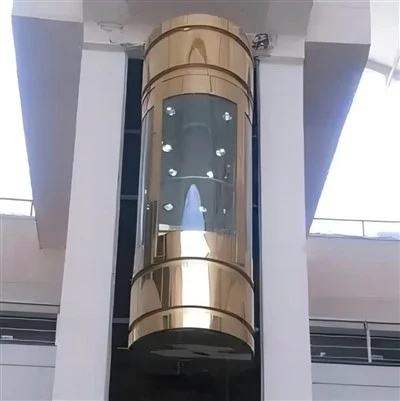
As a seasoned supplier of passenger elevators, I often encounter various questions from clients regarding elevator maintenance, customization, and functionality. One question that has come up more frequently in recent times is, "Can a passenger elevator be painted or coated?" In this blog post, I'll delve into this topic, exploring the feasibility, benefits, and considerations of painting or coating a passenger elevator.
Feasibility of Painting or Coating a Passenger Elevator
The short answer is yes, a passenger elevator can be painted or coated. However, it's not as straightforward as painting a regular wall or piece of furniture. Passenger elevators operate in a unique environment with specific safety and performance requirements. Therefore, any painting or coating process must be carried out with extreme care and in compliance with relevant safety standards.
Modern passenger elevators are typically made of high - quality materials such as stainless steel, aluminum, or high - strength plastics. These materials are chosen for their durability, corrosion resistance, and ability to withstand the rigors of daily use. Painting or coating these surfaces can enhance their appearance, protect them from wear and tear, and even add an extra layer of corrosion resistance.
Benefits of Painting or Coating a Passenger Elevator
Aesthetic Enhancement
One of the most obvious benefits of painting or coating a passenger elevator is the aesthetic improvement. Over time, elevators can become scratched, scuffed, or dull, especially in high - traffic areas. A fresh coat of paint or a high - quality coating can transform the look of the elevator, making it more visually appealing and in line with the overall interior design of the building. For example, in a luxury hotel, a well - painted elevator can contribute to the upscale ambiance, while in a modern office building, a sleek and stylish coating can enhance the professional image.
Protection Against Wear and Tear
Passenger elevators are subject to constant use, which can lead to abrasion, scratches, and damage to the surface. A durable paint or coating can act as a protective barrier, reducing the impact of daily wear and tear. This not only extends the lifespan of the elevator but also reduces the need for frequent repairs and maintenance. For instance, in a busy shopping mall, where hundreds of people use the elevator every day, a scratch - resistant coating can keep the elevator looking new for longer.
Corrosion Resistance
In environments where the elevator is exposed to moisture, chemicals, or other corrosive substances, a paint or coating can provide an additional layer of protection against corrosion. This is particularly important in buildings near the coast, where saltwater can accelerate the corrosion process, or in industrial settings where chemicals may be present. A corrosion - resistant coating can prevent rust and other forms of corrosion, ensuring the structural integrity of the elevator.
Considerations Before Painting or Coating a Passenger Elevator
Safety Standards
Before painting or coating a passenger elevator, it's crucial to ensure that the chosen paint or coating complies with all relevant safety standards. Elevators are subject to strict safety regulations, and any modification, including painting or coating, must not compromise the safety of the passengers. For example, the paint or coating should be non - flammable and have low levels of volatile organic compounds (VOCs) to prevent the release of harmful chemicals into the elevator cabin.
Compatibility with Materials
The paint or coating must be compatible with the materials used in the elevator. Different materials, such as stainless steel, aluminum, and plastics, require different types of paints or coatings. Using an incompatible product can lead to adhesion problems, peeling, or other issues that can affect the appearance and performance of the elevator. It's advisable to consult with a professional or the elevator manufacturer to determine the most suitable paint or coating for the specific materials.
Impact on Functionality
Painting or coating the elevator should not interfere with its normal operation. This includes ensuring that the paint or coating does not affect the movement of the elevator doors, the operation of the control panels, or the performance of the safety features. For example, a thick coating on the door tracks could cause the doors to stick or malfunction, which is a serious safety hazard.
Types of Paints and Coatings for Passenger Elevators
Powder Coating
Powder coating is a popular choice for passenger elevators due to its durability, resistance to scratching, and excellent finish. It involves applying a dry powder to the surface of the elevator, which is then cured under heat to form a hard, protective layer. Powder coating is available in a wide range of colors and finishes, allowing for customization to meet the specific aesthetic requirements of the building.
Epoxy Coating
Epoxy coatings are known for their high - strength and chemical resistance. They are often used in industrial or commercial settings where the elevator is exposed to harsh conditions. Epoxy coatings can provide a long - lasting protective layer, but they may require more careful application and curing to ensure optimal performance.
Acrylic Paint
Acrylic paint is a versatile option that offers good adhesion, durability, and color retention. It is relatively easy to apply and can be used on a variety of surfaces, including metal and plastic. Acrylic paint is available in both water - based and solvent - based formulations, with water - based paints being more environmentally friendly.
Our Passenger Elevator Offerings
As a passenger elevator supplier, we offer a range of high - quality elevators to meet the diverse needs of our clients. Our Small Passenger Lift is perfect for small buildings or residential properties, providing a compact and efficient solution. For office buildings, our Office Building Passenger Elevator is designed to handle high - traffic volumes with reliability and speed. And for residential use, our Residential Passenger Elevator offers a comfortable and convenient way to move between floors.
Conclusion
In conclusion, painting or coating a passenger elevator is a feasible option that can offer numerous benefits, including aesthetic enhancement, protection against wear and tear, and corrosion resistance. However, it's important to consider safety standards, material compatibility, and the impact on functionality before proceeding. As a professional passenger elevator supplier, we have the expertise and experience to help you choose the right paint or coating for your elevator and ensure that the process is carried out safely and effectively.
If you're interested in learning more about painting or coating your passenger elevator or are considering purchasing a new elevator, we'd love to hear from you. Contact us to discuss your requirements and explore the possibilities of customizing your elevator to meet your specific needs.


References
- ASME A17.1/CSA B44 Safety Code for Elevators and Escalators
- ASTM International Standards for Paint and Coating Testing
- Elevator Manufacturer's Guidelines for Maintenance and Modification