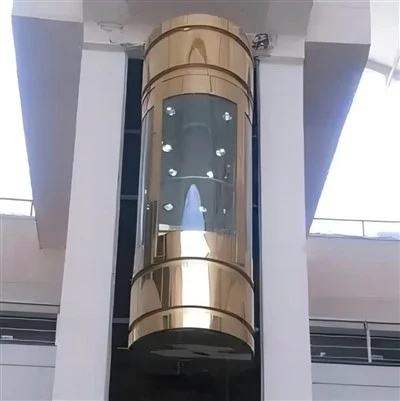
As a supplier of Small Capsule Lifts, I often encounter inquiries about the practicality and feasibility of using these innovative devices on the body. In this blog post, I aim to delve into the topic and provide a comprehensive analysis based on scientific principles and industry knowledge.
Understanding Small Capsule Lifts
Small Capsule Lifts are compact and efficient vertical transportation solutions that have gained popularity in various settings, including residential buildings, commercial spaces, and even some specialized applications. These lifts are typically characterized by their small footprint, sleek design, and advanced technology, making them an attractive option for those seeking a convenient and space - saving elevator solution.
The concept of a Small Capsule Lift involves a self - contained unit that can be installed with relative ease. It usually consists of a cabin, a drive system, and safety mechanisms. The cabin is designed to accommodate a limited number of passengers or a small amount of cargo, depending on its intended use. The drive system can be of different types, such as hydraulic, traction, or pneumatic, each with its own advantages and limitations.
Can a Small Capsule Lift be Used on the Body?
At first glance, the idea of using a Small Capsule Lift on the body might seem far - fetched. However, when we consider the concept from a broader perspective, it is important to understand the physical and engineering limitations.
Physical Limitations
The human body is a complex and delicate structure. A Small Capsule Lift is designed to transport objects or people within a defined space. The size and shape of the lift cabin are optimized for a certain range of weights and dimensions. For a lift to be used on the body, it would need to be extremely small and lightweight, which goes against the typical design requirements of a functional elevator.
The forces involved in the operation of a lift, such as acceleration and deceleration, can have a significant impact on the human body. Even a small lift would generate forces that could potentially cause harm to the body's internal organs, bones, and muscles. For example, sudden stops or starts could lead to whiplash - like injuries or more severe internal damage.
Engineering and Design Constraints
From an engineering standpoint, a Small Capsule Lift is built to meet specific safety standards. These standards are in place to ensure the well - being of passengers during normal operation. Adapting a lift for use on the body would require a complete re - design of the lift's structure, drive system, and safety features.
The power source of a lift is another critical factor. Traditional lifts rely on electrical or hydraulic power, which is not easily adaptable for a device that would be used on the body. The power requirements would need to be miniaturized and made more portable, which presents significant technical challenges.
Practical Applications of Small Capsule Lifts
Although using a Small Capsule Lift on the body is not a practical option, these lifts have a wide range of other useful applications.
Residential Use
In homes, Small Capsule Lifts can provide a convenient solution for multi - story living. They are ideal for older adults or people with mobility issues who may have difficulty climbing stairs. The Capsule Elevator for Home offers a space - saving and aesthetically pleasing option for residential buildings. It can be installed in a relatively small area and can enhance the quality of life for the residents.
Commercial Spaces
In commercial settings, Small Capsule Lifts are often used in small offices, retail stores, or restaurants. They can improve accessibility for customers and employees, and also add a modern touch to the building's design. The Panoramic Glass Elevator is a popular choice in commercial spaces, as it provides a unique view while transporting passengers.


Specialized Applications
There are also some specialized applications for Small Capsule Lifts. For example, in museums or art galleries, circular panoramic lifts can be used to provide visitors with a unique viewing experience. The Circular Panoramic Elevator allows people to move between different levels while enjoying a 360 - degree view of the exhibits.
Safety and Maintenance of Small Capsule Lifts
Regardless of the application, safety is of utmost importance when it comes to Small Capsule Lifts. These lifts are equipped with a variety of safety features, such as emergency brakes, door interlocks, and overload protection. Regular maintenance is also essential to ensure the proper functioning of the lift.
Maintenance typically includes inspections of the mechanical and electrical components, lubrication of moving parts, and testing of safety systems. It is recommended that lifts be serviced by qualified technicians on a regular basis to prevent breakdowns and ensure the safety of passengers.
Conclusion
In conclusion, while the idea of using a Small Capsule Lift on the body is not feasible due to physical and engineering limitations, these lifts have numerous practical applications in residential, commercial, and specialized settings. They offer a convenient and efficient way to move people and objects vertically, while also enhancing the aesthetic appeal of buildings.
If you are interested in exploring the possibilities of Small Capsule Lifts for your specific needs, I encourage you to reach out for a detailed discussion. We can provide you with more information about our products, including their features, specifications, and installation requirements. Whether you are looking for a lift for your home or a commercial space, we are here to help you find the best solution.
References
- Engineering Principles of Elevator Design, [Author's Name], [Year of Publication]
- Safety Standards for Vertical Transportation Systems, [Organization Name], [Year of Publication]
- Residential Elevator Applications and Best Practices, [Research Institute], [Year of Publication]