As a supplier of small freight elevators, I've encountered numerous inquiries regarding the feasibility of using these specialized lifts for transporting people during emergencies. This topic is fraught with complexities, encompassing safety, regulatory compliance, and technical capabilities. In this blog post, I aim to delve into this issue comprehensively, shedding light on whether small freight elevators can serve as a viable solution in critical situations.
Understanding Small Freight Elevators
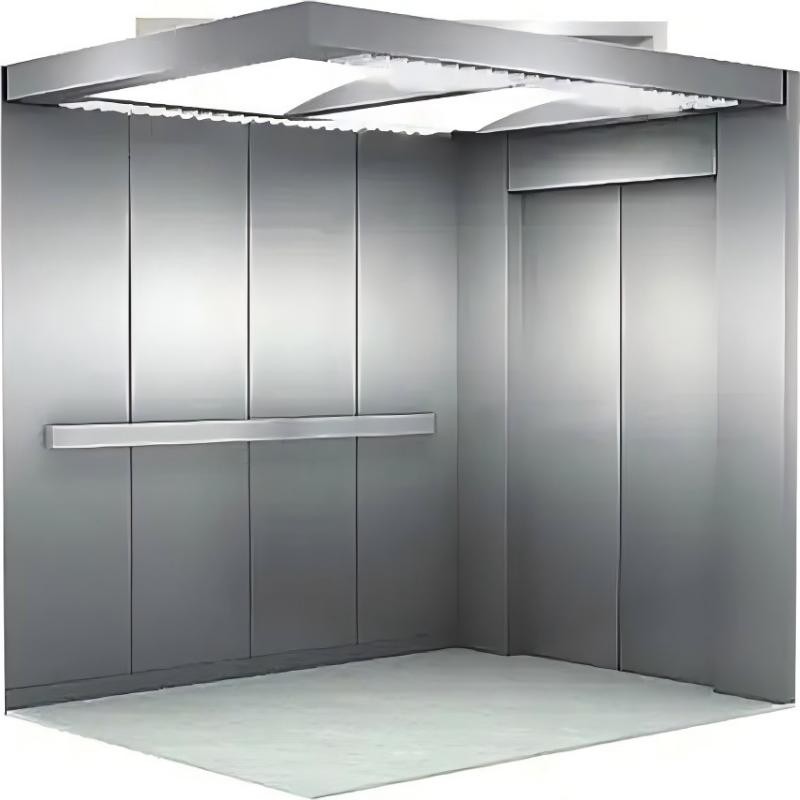
Small freight elevators are designed primarily for the movement of goods, equipment, and materials within commercial, industrial, and utility settings. They are engineered to handle varying payload capacities, typically ranging from a few hundred kilograms to several tons. Unlike passenger elevators, which prioritize passenger comfort, convenience, and safety features, small freight elevators are optimized for durability, efficiency, and robustness.
These elevators come in various configurations, including hydraulic, traction, and machine-room-less (MRL) designs. Each type offers distinct advantages and disadvantages, depending on factors such as load capacity, installation space, and budget. For instance, hydraulic freight elevators are known for their smooth operation, high load capacity, and suitability for low-rise applications, while traction elevators are more energy-efficient and better suited for high-rise buildings. Machine-room-less freight elevators, on the other hand, offer space-saving benefits and flexible installation options.
Safety Considerations
One of the primary concerns when considering using a small freight elevator for transporting people in an emergency is safety. Freight elevators are not designed to the same safety standards as passenger elevators, which are equipped with a comprehensive range of safety features to protect passengers from potential hazards. These features include emergency brakes, door interlocks, overload protection, and emergency communication systems.
In contrast, small freight elevators may have limited or no safety features specifically designed for passenger use. For example, the doors on freight elevators may not be equipped with the same level of safety sensors and interlocks as passenger elevator doors, increasing the risk of entrapment or injury. Additionally, the emergency braking systems on freight elevators may be less sophisticated and reliable compared to those on passenger elevators, potentially leading to uncontrolled movement or sudden stops in the event of a malfunction.
Moreover, freight elevators are typically designed to operate in harsh environments, where they may be exposed to dust, debris, and other contaminants. This can increase the risk of mechanical failures and malfunctions, which could pose a significant threat to the safety of passengers. For example, dust and debris can accumulate in the elevator's mechanical components, causing them to wear out more quickly and increasing the risk of breakdowns.
Regulatory Compliance
Another important consideration is regulatory compliance. In most countries, the use of elevators for transporting people is subject to strict regulations and safety standards. These regulations are designed to ensure the safety of passengers and to prevent accidents and injuries.
Small freight elevators are typically not designed or certified for passenger use. Using a freight elevator to transport people in an emergency may violate local building codes and regulations, which could result in legal consequences for the building owner or operator. Additionally, insurance companies may not cover accidents or injuries that occur as a result of using a freight elevator to transport people, leaving the building owner or operator liable for any damages or losses.
Before considering using a small freight elevator for transporting people in an emergency, it is essential to consult with local authorities and regulatory agencies to determine the legal requirements and safety standards that apply. In some cases, it may be possible to retrofit the freight elevator with additional safety features to make it compliant with passenger elevator standards. However, this can be a costly and time-consuming process, and it may not be feasible in all situations.
Technical Capabilities
In addition to safety and regulatory considerations, it is also important to consider the technical capabilities of small freight elevators. While these elevators are designed to handle heavy loads, they may not be suitable for transporting people due to factors such as limited space, lack of ventilation, and inadequate lighting.
For example, small freight elevators are typically smaller in size compared to passenger elevators, which can make it difficult for people to move around comfortably. This can be particularly problematic in emergency situations, where people may be in a hurry to evacuate the building. Additionally, freight elevators may not be equipped with ventilation systems or adequate lighting, which can lead to discomfort, anxiety, and even health problems for passengers.
Furthermore, small freight elevators may not be able to operate at the same speed as passenger elevators, which can slow down the evacuation process in an emergency. This can be a significant concern, especially in high-rise buildings or large industrial facilities where time is of the essence.
Exceptions and Special Cases
While there are significant safety, regulatory, and technical challenges associated with using small freight elevators for transporting people in an emergency, there may be exceptions and special cases where it may be considered. For example, in some industrial settings, such as mines or factories, there may be limited evacuation options, and using a freight elevator may be the only practical solution.
In these cases, it is essential to take extra precautions to ensure the safety of passengers. This may include providing additional safety training for passengers, installing emergency lighting and ventilation systems, and conducting regular maintenance and inspections of the elevator. Additionally, it is important to have a well-defined emergency response plan in place, which includes procedures for using the freight elevator safely and effectively in an emergency.
Alternative Solutions
Given the challenges and limitations associated with using small freight elevators for transporting people in an emergency, it is advisable to explore alternative solutions. One option is to install a dedicated passenger elevator in addition to the freight elevator. This can provide a safe and reliable means of transporting people in normal circumstances and in emergencies.
Another option is to retrofit the existing freight elevator with additional safety features to make it compliant with passenger elevator standards. This can include installing emergency brakes, door interlocks, overload protection, and emergency communication systems. However, this can be a costly and time-consuming process, and it may not be feasible in all situations.
Finally, it is important to have a comprehensive emergency response plan in place, which includes procedures for evacuating the building safely and effectively in the event of an emergency. This may include using stairways, fire escapes, and other evacuation routes, as well as providing clear instructions and guidance to passengers.
Conclusion
In conclusion, while small freight elevators are designed primarily for the movement of goods, there may be situations where they are considered for transporting people in an emergency. However, this should only be done after careful consideration of the safety, regulatory, and technical implications.
Given the potential risks associated with using freight elevators for passengers, it is generally advisable to invest in proper passenger elevators, such as Goods Passenger Lift, Commercial Freight Elevator, and Utility Elevator, which are specifically designed and tested to meet the stringent safety standards for transporting people. These options can offer peace of mind and a reliable solution during normal operations and emergency situations.
If you are in the market for a freight elevator or considering the best options for your building's vertical transportation needs, I encourage you to reach out. Our team of experts can provide detailed information, customized solutions, and assist you through the procurement process. We're here to help you make the most informed decision for your specific requirements.

References
- ASME A17.1/CSA B44 Safety Code for Elevators and Escalators
- National Fire Protection Association (NFPA) Codes and Standards
- Local Building and Safety Codes