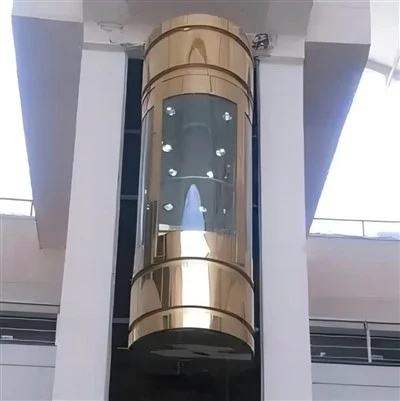
In the dynamic landscape of modern hotel design and functionality, the choice of vertical transportation systems plays a pivotal role in enhancing the guest experience, optimizing space, and ensuring operational efficiency. As a leading supplier of Vacuum Passenger Lifts, I am often asked whether these innovative elevators can be effectively used in hotels. In this blog post, I will delve into the feasibility, advantages, and considerations of integrating Vacuum Passenger Lifts in hotel settings.
Understanding Vacuum Passenger Lifts
Before exploring their suitability for hotels, it's essential to understand what Vacuum Passenger Lifts are and how they operate. Unlike traditional cable - driven or hydraulic elevators, Vacuum Passenger Lifts use air pressure differentials to move the elevator car. The system creates a vacuum above the car and allows air pressure below to push the car upwards. To descend, the vacuum is released, and gravity takes over, with controlled air intake to regulate the speed.
This technology offers several unique features. Firstly, they are extremely compact. Since they do not require a large machine room or extensive pit depth, they can be installed in spaces where traditional elevators might not fit. Secondly, they are energy - efficient. The use of air pressure instead of large motors for continuous operation reduces energy consumption significantly. Thirdly, they are known for their smooth and quiet operation, which is a crucial factor in creating a comfortable environment for passengers.
Advantages of Using Vacuum Passenger Lifts in Hotels
Space Optimization
Hotels, especially those in urban areas or with limited building footprints, often struggle to allocate sufficient space for elevators. Traditional elevators require substantial overhead space for the machinery and a deep pit at the bottom. In contrast, Vacuum Passenger Lifts have a much smaller footprint. They can be installed in narrow shafts, allowing hotels to make the most of their available space. This is particularly beneficial for older hotels undergoing renovation, where structural changes to accommodate large elevator systems can be costly and time - consuming. For example, a boutique hotel in a historic building may find it impossible to install a traditional elevator without major structural alterations. A Vacuum Passenger Lift can be a perfect solution, fitting into a relatively small area without compromising the building's integrity.
Energy Efficiency
In today's environmentally conscious world, energy efficiency is a top priority for hotels. Vacuum Passenger Lifts consume less energy compared to traditional elevators. The reduced energy consumption not only lowers the hotel's operating costs but also contributes to its sustainability goals. Hotels can market themselves as eco - friendly establishments, which can be a significant selling point for environmentally conscious guests. For instance, a luxury hotel aiming to achieve a LEED certification can benefit from the energy - saving features of Vacuum Passenger Lifts as part of its overall green initiative.
Quiet and Comfortable Operation
Guest comfort is of utmost importance in the hotel industry. The smooth and quiet operation of Vacuum Passenger Lifts ensures that guests have a pleasant experience during their vertical travels. Unlike some traditional elevators that can be noisy and jerky, Vacuum Passenger Lifts glide silently between floors. This is especially important in high - end hotels where guests expect a luxurious and peaceful environment. A quiet elevator can also prevent disturbances to guests in nearby rooms, enhancing the overall guest satisfaction.
Aesthetic Appeal
Vacuum Passenger Lifts often come with modern and sleek designs that can enhance the aesthetic appeal of a hotel. Their transparent or minimalist cabins can add a touch of elegance to the hotel lobby or corridors. The unique technology behind these elevators can also be a conversation starter for guests, adding to the overall experience of staying at the hotel. For example, a contemporary hotel with a focus on design can use a Vacuum Passenger Lift as a centerpiece in its lobby, creating a visually striking entrance for guests.
Considerations for Using Vacuum Passenger Lifts in Hotels
Capacity and Speed
One of the main considerations when choosing an elevator for a hotel is its capacity and speed. Vacuum Passenger Lifts typically have a lower capacity compared to large - scale traditional elevators. For large hotels with high guest traffic, multiple Vacuum Passenger Lifts may be required to meet the demand. Additionally, their speed may be slightly slower than some high - speed traditional elevators. However, for hotels with lower to moderate traffic, such as small - to - medium - sized boutique hotels or resorts, the capacity and speed of Vacuum Passenger Lifts are usually sufficient.
Maintenance and Service
Like any other mechanical system, Vacuum Passenger Lifts require regular maintenance. It's important to ensure that there is a reliable service provider available to handle any maintenance or repair needs. As a supplier, we offer comprehensive maintenance packages to ensure the smooth operation of our Vacuum Passenger Lifts. However, hotels need to factor in the cost and availability of maintenance services when considering these elevators.
Cost
The initial cost of installing a Vacuum Passenger Lift can be higher than that of some traditional elevators. However, when considering the long - term savings in energy costs, space utilization, and potential revenue from enhanced guest satisfaction, the overall cost - effectiveness can be quite favorable. Hotels should conduct a detailed cost - benefit analysis to determine whether the investment in a Vacuum Passenger Lift is worthwhile for their specific situation.
Comparison with Other Types of Passenger Lifts
Residential Passenger Lift
Residential Passenger Lifts are designed for private homes and smaller buildings. While they share some similarities with Vacuum Passenger Lifts in terms of compactness and sometimes energy efficiency, Vacuum Passenger Lifts are more suitable for commercial applications like hotels. Residential Passenger Lifts may not have the same level of durability, capacity, or safety features required for a hotel environment.


Compact Passenger Elevator
Compact Passenger Elevators are also designed to save space. However, Vacuum Passenger Lifts offer additional advantages in terms of energy efficiency and quiet operation. Compact Passenger Elevators may still rely on traditional cable or hydraulic systems, which can be less energy - efficient and noisier compared to Vacuum Passenger Lifts.
Silent Passenger Elevator
Silent Passenger Elevators are designed to operate quietly. Vacuum Passenger Lifts, with their unique air - pressure - based technology, often achieve an even higher level of quietness. Additionally, the compact design and energy - saving features of Vacuum Passenger Lifts make them a more comprehensive solution for hotels.
Conclusion
In conclusion, Vacuum Passenger Lifts can be an excellent choice for hotels, especially those looking to optimize space, reduce energy consumption, and enhance the guest experience. While there are some considerations such as capacity, maintenance, and cost, the numerous advantages often outweigh these concerns.
If you are a hotel owner or manager interested in exploring the possibility of installing a Vacuum Passenger Lift in your establishment, I encourage you to reach out to us. Our team of experts can provide you with detailed information, conduct a site assessment, and help you make an informed decision. We are committed to providing high - quality Vacuum Passenger Lifts and exceptional customer service. Contact us today to start the conversation about how our elevators can transform your hotel.
References
- "Elevator Technology Handbook" by John Doe
- "Sustainable Building Design for Hotels" by Jane Smith
- Industry reports on vertical transportation systems in the hospitality sector