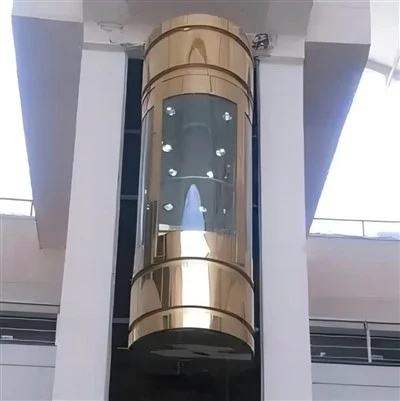
As a seasoned supplier of observation elevators, I've often been asked about the feasibility of installing these captivating vertical transportation systems in residential buildings. The idea of having a panoramic view while ascending or descending a building is undeniably appealing, but it also raises several questions regarding practicality, safety, and cost. In this blog, I'll delve into these aspects to help you determine whether observation elevators are a suitable choice for residential use.
The Allure of Observation Elevators in Residential Settings
Observation elevators are renowned for their ability to provide passengers with breathtaking views of the surrounding environment. In a residential building, these elevators can transform a mundane elevator ride into a memorable experience, offering residents a unique perspective of the cityscape, natural scenery, or the building's interior architecture. This feature not only adds a touch of luxury and sophistication to the property but also enhances the overall living experience.
Moreover, observation elevators can serve as a focal point in the building's design, creating a sense of grandeur and openness. They can be strategically placed in areas with high foot traffic, such as lobbies or atriums, to showcase the building's architecture and attract attention. This can have a positive impact on the property's value and desirability, making it more appealing to potential buyers or renters.
Safety Considerations
While the benefits of observation elevators are clear, safety is always a top priority, especially in residential buildings. Observation elevators are subject to the same strict safety regulations as traditional elevators, but the presence of large glass panels introduces additional considerations.
One of the primary concerns is the strength and durability of the glass. The glass used in observation elevators must be able to withstand various environmental factors, such as wind, rain, and temperature changes, without shattering or cracking. It should also be resistant to impact, ensuring the safety of passengers in the event of an accident.
To address these concerns, modern observation elevators are equipped with laminated safety glass, which consists of multiple layers of glass bonded together with a plastic interlayer. This type of glass is designed to break into small, non - sharp pieces when broken, reducing the risk of injury. Additionally, the glass is usually treated with special coatings to enhance its strength and resistance to scratches and UV rays.
Another safety aspect to consider is the visibility of the elevator shaft. In some cases, the glass panels may provide a clear view of the elevator shaft, which can pose a risk if not properly secured. To prevent accidents, observation elevators are typically equipped with safety screens or barriers that block the view of the shaft while still allowing passengers to enjoy the exterior view.
Cost and Maintenance
The installation of observation elevators in residential buildings is generally more expensive than traditional elevators. The cost of the elevator itself is higher due to the use of specialized glass and other materials, as well as the additional design and engineering required to ensure safety and functionality.
In addition to the initial installation cost, there are also ongoing maintenance expenses to consider. The glass panels need to be regularly cleaned and inspected to ensure their transparency and integrity. Any damage to the glass may require prompt repair or replacement, which can be costly.
However, it's important to note that the long - term benefits of observation elevators, such as increased property value and enhanced resident satisfaction, can outweigh the initial investment. Many homeowners and developers view observation elevators as a luxury feature that adds a unique selling point to the property.
Practical Considerations
Beyond safety and cost, there are several practical considerations when it comes to installing observation elevators in residential buildings. One of the main challenges is the space requirement. Observation elevators typically require more space than traditional elevators due to the need for larger car sizes and additional support structures for the glass panels. This can be a limiting factor in smaller residential buildings or those with space constraints.
Another practical consideration is the impact on energy consumption. The large glass panels in observation elevators can allow more heat to enter or escape the elevator car, depending on the climate. This can increase the energy required to maintain a comfortable temperature inside the elevator, leading to higher energy bills. To mitigate this issue, modern observation elevators are often equipped with energy - efficient features, such as insulated glass and advanced climate control systems.
Applications in Different Types of Residential Buildings
High - Rise Luxury Condominiums
In high - rise luxury condominiums, observation elevators are a popular choice. These buildings often offer panoramic views of the city, and having an observation elevator allows residents to enjoy these views from the moment they step into the elevator. The luxury and exclusivity associated with observation elevators complement the high - end nature of these properties, making them more attractive to affluent buyers.
Beachfront or Scenic Residences
Residential buildings located in beachfront areas or with scenic views are also ideal candidates for observation elevators. These elevators can provide residents with unobstructed views of the ocean, mountains, or other natural landscapes, enhancing the overall living experience and making the property stand out.
Architectural Masterpieces
For residential buildings that are architectural masterpieces, observation elevators can be used to showcase the building's unique design features. The elevator can be integrated into the building's architecture in such a way that it becomes an integral part of the overall aesthetic, adding to the building's visual appeal.
Other Elevator Options for Specialized Needs
In addition to observation elevators, there are other types of elevators that cater to specific needs. For medical facilities, Hospital Stretcher Elevator and Hospital Bed Elevator are designed to accommodate stretchers and beds, ensuring the safe and efficient transportation of patients. These elevators are equipped with features such as wider doors, larger car sizes, and smooth ride controls to meet the specific requirements of healthcare settings.
Conclusion
In summary, observation elevators can indeed be used in residential buildings, offering a range of benefits from enhanced living experiences to increased property value. However, it's essential to carefully consider the safety, cost, maintenance, and practical aspects before making a decision.


If you're a homeowner, developer, or architect interested in exploring the possibility of installing an observation elevator in a residential building, I encourage you to reach out to discuss your specific needs and requirements. Our team of experts is dedicated to providing high - quality observation elevators that combine safety, functionality, and aesthetic appeal. Contact us today to start the conversation about bringing the luxury of panoramic views to your residential project.
References
- ASME A17.1/CSA B44 - Safety Code for Elevators and Escalators
- Elevator World Magazine - Various articles on elevator technology and design
- International Building Code (IBC) - Regulations related to elevator installation and safety