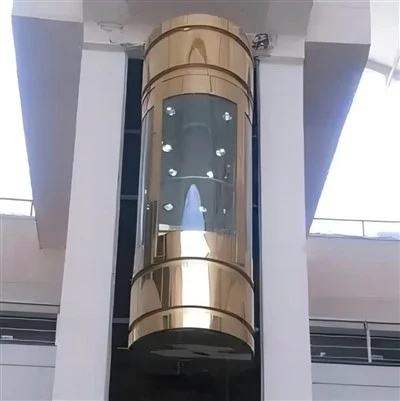
Hey there! As a supplier of panoramic glass lifts, I often get asked if these amazing pieces of equipment can be integrated with building automation systems. Well, the short answer is yes, they absolutely can! And in this blog, I'm gonna break down how and why this integration makes a whole lot of sense.
The Basics of Panoramic Glass Lifts
First off, let's talk a bit about panoramic glass lifts. These are not your average elevators. They're the cool kids on the block, offering passengers a stunning view as they travel between floors. Whether it's a high - rise building with a city skyline or a hotel overlooking a beautiful landscape, panoramic glass lifts add a touch of luxury and excitement to any building.
We offer a range of options, like the Home Capsule Lift, which is perfect for residential buildings. It's compact, stylish, and gives homeowners a taste of that elevator experience usually reserved for big commercial places. Then there's the Capsule Lift for 2 Person, great for smaller spaces or for a more intimate ride. And of course, our Glass Panoramic Elevator is a show - stopper in large commercial buildings, with its wide glass panels and smooth operation.
What is Building Automation?
Building automation systems are like the brains of a building. They control and monitor various building functions such as lighting, heating, ventilation, air - conditioning (HVAC), and security. These systems use sensors, controllers, and software to optimize energy usage, improve comfort, and enhance security. For example, the lighting system can be programmed to turn on and off based on the time of day or the presence of people in a room. HVAC systems can adjust the temperature and humidity according to the weather outside and the number of occupants inside.
Integration of Panoramic Glass Lifts with Building Automation
Now, let's get into how panoramic glass lifts fit into this automated picture. There are several ways in which these lifts can be integrated with building automation systems.
Energy Management
One of the key benefits of integration is energy management. Panoramic glass lifts can be programmed to operate more efficiently. For instance, during off - peak hours, the lift can be set to run at a lower speed or even go into a standby mode. This reduces energy consumption and saves money in the long run. The building automation system can also coordinate with the lift to ensure that it only operates when needed. If there are no passengers waiting, the lift can be directed to a specific floor to minimize unnecessary movement.
Security and Access Control
Security is another area where integration shines. Building automation systems often include access control features. Panoramic glass lifts can be integrated with these systems so that only authorized personnel can use the lift. This can be done through key cards, biometric scanners, or mobile access. For example, in a corporate building, employees can use their ID cards to access the floors where their offices are located. The lift can also be programmed to restrict access to certain floors during specific times, adding an extra layer of security.
Passenger Comfort and Convenience
Integration can greatly enhance passenger comfort and convenience. The building automation system can communicate with the lift to adjust the temperature and lighting inside the cabin according to the preferences set in the system. For example, if the building is set to a cool temperature during the summer, the lift can also be kept at a comfortable temperature. Additionally, the system can provide real - time information to passengers, such as the estimated arrival time of the lift and the current floor it is on.
Maintenance and Monitoring
Building automation systems can also be used to monitor the performance of panoramic glass lifts. Sensors can be installed in the lift to detect any potential issues, such as unusual vibrations or changes in speed. The system can then send alerts to the maintenance team, allowing them to address the problem before it becomes a major issue. This proactive approach to maintenance helps to reduce downtime and ensure the safety of passengers.
Challenges of Integration
Of course, integrating panoramic glass lifts with building automation systems isn't without its challenges. One of the main challenges is compatibility. Different building automation systems use different protocols and standards. It's important to ensure that the lift's control system is compatible with the building's automation system. This may require some customization or the use of interface devices.
Another challenge is the initial cost. Implementing an integrated system can be expensive, as it involves not only the cost of the lift and the automation system but also the cost of installation and programming. However, the long - term benefits, such as energy savings and improved efficiency, often outweigh the initial investment.
Case Studies
Let's take a look at some real - world examples of how panoramic glass lifts have been integrated with building automation systems.
In a large shopping mall, the panoramic glass lifts were integrated with the building's lighting and HVAC systems. The lifts were programmed to operate in sync with the mall's opening and closing hours. During peak shopping hours, the lifts ran at full capacity, and the lighting inside the cabin was brightened to create a welcoming atmosphere. The HVAC system also adjusted the temperature inside the lift to match the temperature in the mall. This integration not only improved the shopping experience for customers but also reduced energy consumption.
In a high - rise office building, the panoramic glass lifts were integrated with the building's access control system. Employees could use their mobile phones to call the lift and access their floors. The lift also had sensors that detected the number of passengers inside and adjusted the speed and operation accordingly. This integration improved security and made the daily commute for employees more convenient.


Conclusion
So, can panoramic glass lifts be integrated with building automation systems? Absolutely! The integration offers numerous benefits, including energy management, security, passenger comfort, and proactive maintenance. While there are some challenges, such as compatibility and initial cost, the long - term advantages make it a worthwhile investment.
If you're considering installing a panoramic glass lift in your building and want to take advantage of the benefits of integration, I'd love to chat with you. Whether it's for a residential home, a commercial building, or a public space, we have the expertise and the products to meet your needs. Let's work together to create a more efficient, secure, and comfortable building environment.
References
- Building Automation Handbook, Second Edition, by Andrew McNeil
- Elevator Technology: Principles and Practice, by John J. O'Connor