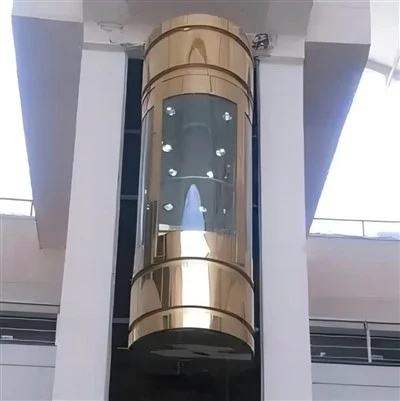
As a supplier of hospital bed elevators, I often encounter various inquiries from clients regarding the features and functions of our products. One question that frequently arises is whether hospital bed elevators have a remote - monitoring function. In this blog, I will delve into this topic, exploring the importance, current status, and benefits of remote - monitoring in hospital bed elevators.
The Importance of Remote - Monitoring in Hospital Bed Elevators
In a hospital setting, the smooth operation of elevators is crucial. Hospital bed elevators are used to transport patients on beds, stretchers, and other medical equipment between different floors. Any malfunction or delay in these elevators can have serious consequences for patient care. For instance, a patient in critical condition may need to be quickly transferred to the operating room or intensive care unit. If the elevator breaks down or experiences issues, it can lead to life - threatening delays.
Remote - monitoring technology plays a vital role in ensuring the reliability and safety of hospital bed elevators. By continuously monitoring the elevator's performance, technicians can detect potential problems before they escalate into major breakdowns. This proactive approach helps to minimize downtime and ensures that the elevators are always available when needed.
Current Status of Remote - Monitoring in Hospital Bed Elevators
The technology for remote - monitoring in elevators has advanced significantly in recent years. Most modern hospital bed elevators are now equipped with sensors that collect data on various parameters such as speed, acceleration, door operation, and motor temperature. This data is then transmitted to a central monitoring station, where technicians can analyze it in real - time.
At our company, we offer a state - of - the - art remote - monitoring system for our Elevator for Hospital Bed. Our system uses advanced algorithms to detect even the slightest deviations from normal operating conditions. For example, if the elevator's speed fluctuates beyond a certain range, the system will immediately send an alert to the maintenance team. This allows them to take prompt action, reducing the risk of a breakdown.
Benefits of Remote - Monitoring for Hospital Bed Elevators
1. Improved Safety
Safety is of utmost importance in a hospital environment. Remote - monitoring helps to enhance safety by detecting potential safety hazards in advance. For example, if a door fails to close properly or if there is an issue with the elevator's braking system, the monitoring system can alert the maintenance team immediately. This ensures that the elevator is taken out of service for repairs before any accidents occur.
2. Reduced Downtime
Downtime of hospital bed elevators can disrupt patient flow and cause significant inconvenience. With remote - monitoring, maintenance teams can be notified of problems as soon as they occur. This allows them to schedule repairs during off - peak hours, minimizing the impact on hospital operations. In addition, the ability to diagnose problems remotely often means that technicians can arrive at the site with the necessary parts and tools, reducing the time required for repairs.
3. Cost - Efficiency
Remote - monitoring can also lead to cost savings. By detecting and fixing problems early, it helps to prevent major breakdowns that can be expensive to repair. In addition, the reduced downtime means that the elevators are in service for more hours, increasing their overall efficiency. Moreover, the data collected through remote - monitoring can be used to optimize maintenance schedules, reducing the need for unnecessary maintenance and saving on labor and material costs.
4. Enhanced Maintenance Planning
The data collected from remote - monitoring provides valuable insights into the performance of the elevator over time. Maintenance teams can use this data to identify patterns and trends, allowing them to plan maintenance activities more effectively. For example, if the data shows that a particular component is wearing out faster than expected, the maintenance team can replace it before it fails, preventing unexpected breakdowns.
How Our Remote - Monitoring System Works
Our remote - monitoring system for hospital bed elevators is a comprehensive solution that offers real - time monitoring and analysis. Here's a step - by - step overview of how it works:
1. Data Collection
The elevator is equipped with a network of sensors that continuously collect data on various aspects of its operation. These sensors are strategically placed throughout the elevator, including in the motor, doors, and control panels. The data collected includes information such as temperature, vibration, and electrical current.
2. Data Transmission
Once the data is collected, it is transmitted to our central monitoring station via a secure communication network. We use advanced encryption techniques to ensure the privacy and security of the data. The data is sent in real - time, allowing our technicians to monitor the elevator's performance at all times.
3. Data Analysis
At the monitoring station, our technicians use specialized software to analyze the data. The software is designed to detect patterns and anomalies that may indicate a potential problem. If an issue is detected, the system will generate an alert, which is sent to the maintenance team via email, SMS, or a dedicated monitoring application.
4. Maintenance and Support
Upon receiving the alert, the maintenance team will assess the situation and determine the appropriate course of action. In some cases, they may be able to troubleshoot the problem remotely. If on - site repairs are required, they will schedule a visit and ensure that they have all the necessary parts and tools.
Our Product Range and Remote - Monitoring
We offer a wide range of Hospital Bed Lift and Hospital Stretcher Lift solutions, all of which are compatible with our remote - monitoring system. Whether you need a small elevator for a single - floor hospital or a large, high - capacity elevator for a multi - story medical complex, we have the right product for you.


Our elevators are designed to meet the highest standards of safety and reliability. They are built with high - quality materials and components, and are rigorously tested before leaving the factory. In addition, our remote - monitoring system provides an extra layer of protection, ensuring that your elevators are always in optimal condition.
Contact Us for Purchase and Consultation
If you are interested in purchasing a hospital bed elevator or learning more about our remote - monitoring system, we encourage you to contact us. Our team of experts is available to answer your questions, provide detailed product information, and assist you in selecting the right elevator for your needs. We understand the unique requirements of hospitals and healthcare facilities, and we are committed to providing you with the best possible solutions.
Investing in a hospital bed elevator with remote - monitoring capabilities is a smart decision that can enhance the safety, efficiency, and reliability of your hospital's vertical transportation system. Don't hesitate to reach out to us and start the conversation about how we can meet your elevator needs.
References
- Elevator Industry Association. (Year). Best Practices for Elevator Remote - Monitoring.
- Hospital Engineering Journal. (Year). The Impact of Remote - Monitoring on Hospital Elevator Performance.
- Manufacturer's Manuals for Hospital Bed Elevators.