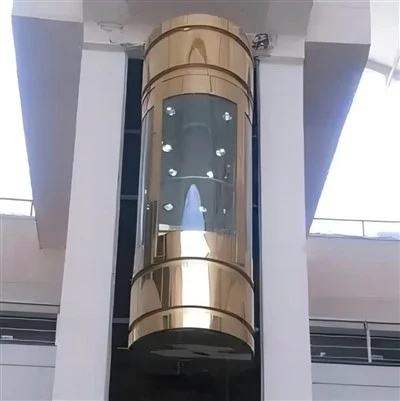
In the high - stakes environment of a hospital, every piece of equipment plays a crucial role in ensuring patient safety and efficient medical care. Hospital stretcher lifts are no exception. These specialized elevators are designed to transport patients on stretchers between different floors of a hospital, facilitating quick and safe movement for those in critical condition. One question that often arises is whether hospital stretcher lifts have backup power systems. As a supplier of Hospital Stretcher Lifts, I am well - versed in this topic and will delve into it in detail.
The Importance of Backup Power Systems in Hospitals
Hospitals are facilities where power interruptions can have life - threatening consequences. In addition to vital medical equipment like ventilators and monitors, elevators are also essential for patient transfer. A sudden power outage during the transportation of a patient on a stretcher can strand them between floors, causing unnecessary stress and potentially endangering their life.


Backup power systems are designed to kick in automatically when the main power supply fails. This ensures that essential functions in the hospital can continue without interruption. For hospital stretcher lifts, a backup power system means that patients can be safely moved to their destination even during a power outage. It also allows medical staff to maintain the flow of patient care, reducing the risk of complications due to delays.
Backup Power Systems in Hospital Stretcher Lifts
Most modern hospital stretcher lifts are equipped with backup power systems. These systems typically use batteries or generators to provide emergency power.
Battery - Powered Backup Systems
Battery - powered backup systems are a popular choice for hospital stretcher lifts. They are relatively compact, quiet, and require minimal maintenance. When the main power supply fails, the batteries take over and provide enough power to move the lift to the nearest floor and open the doors. This allows patients to be safely removed from the lift.
The capacity of the batteries is carefully calculated to ensure that they can support the lift's operation for a sufficient amount of time. In general, battery - powered backup systems can keep the lift operational for at least 30 minutes to an hour, which is usually enough time to safely evacuate patients or wait for the main power to be restored.
Generator - Powered Backup Systems
Generator - powered backup systems are another option for hospital stretcher lifts. Generators can provide a larger amount of power for a longer period compared to batteries. They are often used in larger hospitals or facilities where there is a higher demand for power during an outage.
When the main power fails, the generator automatically starts up and supplies power to the lift. However, generators require more maintenance and space compared to battery - powered systems. They also produce noise and emissions, which need to be managed properly to ensure a safe and comfortable environment for patients and staff.
Benefits of Backup Power Systems in Hospital Stretcher Lifts
The presence of a backup power system in hospital stretcher lifts offers several significant benefits.
Patient Safety
The most important benefit is patient safety. In the event of a power outage, patients on stretchers can be quickly and safely moved to the nearest floor. This reduces the risk of injury or complications that could occur if they were left stranded between floors for an extended period.
Continuity of Care
Backup power systems ensure that the flow of patient care is not interrupted. Medical staff can continue to transport patients between different departments, such as from the emergency room to the operating theater or intensive care unit. This is crucial for providing timely treatment and improving patient outcomes.
Compliance with Regulations
Many countries and regions have regulations in place that require hospitals to have backup power systems for essential equipment, including elevators. By installing hospital stretcher lifts with backup power systems, hospitals can ensure that they are in compliance with these regulations.
Our Hospital Stretcher Lifts and Backup Power Systems
As a supplier of Hospital Stretcher Lifts, we understand the critical importance of backup power systems. All of our hospital stretcher lifts are equipped with state - of - the - art backup power solutions. Whether you choose a battery - powered or generator - powered system, you can be confident that our lifts will provide reliable and safe operation during power outages.
Our Elevator for Hospital Bed is designed with patient comfort and safety in mind. The backup power system ensures that patients can be transported smoothly even in challenging situations. Similarly, our Elevator for Hospital and Hospital Bed Elevator models are equipped with advanced backup power features to meet the high - standards of hospital environments.
Contact Us for Your Hospital Stretcher Lift Needs
If you are a hospital administrator, architect, or contractor in need of high - quality hospital stretcher lifts, we invite you to contact us. Our team of experts can provide you with detailed information about our products, including the backup power systems. We can also assist you in choosing the right lift for your specific needs and budget.
Investing in a hospital stretcher lift with a reliable backup power system is a smart decision that can enhance patient safety and improve the efficiency of your hospital. Don't hesitate to reach out to us to discuss your requirements and start the procurement process.
References
- International Electrotechnical Commission (IEC). (2019). Safety requirements for lifts.
- American Society of Mechanical Engineers (ASME). (2020). ASME A17.1/CSA B44 Safety Code for Elevators and Escalators.
- World Health Organization (WHO). (2018). Guidelines for safe and effective hospital design.