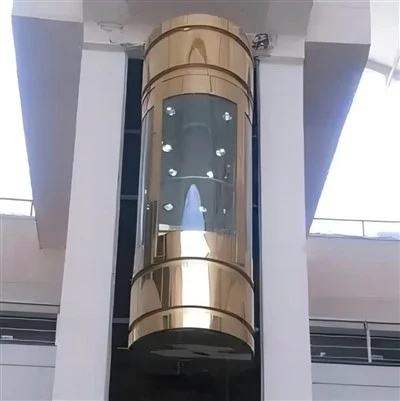
As a supplier of panoramic elevators, I often get asked a bunch of questions from folks interested in these amazing pieces of machinery. One question that keeps popping up more recently is, "Do panoramic elevators have anti - corrosion features?" Well, let's dig into this topic and find out.
First off, what exactly is a panoramic elevator? These are the elevators that offer passengers a breathtaking view as they travel between floors. They're commonly found in high - end buildings, hotels, shopping malls, and tourist attractions. The transparent walls of panoramic elevators give riders a sense of openness and a chance to soak in the surrounding scenery. We offer different types of panoramic elevators, like the Capsule Passenger Elevator, Small Capsule Lift, and Observation Elevator.
Now, let's talk about corrosion. Corrosion is basically the deterioration of a material, usually metal, due to a chemical reaction with its environment. In the case of elevators, factors like humidity, exposure to water, and certain chemicals in the air can cause corrosion. And when it comes to panoramic elevators, which are often installed in outdoor or semi - outdoor settings, they're more prone to corrosion compared to regular elevators.
So, do panoramic elevators have anti - corrosion features? The short answer is yes, and here's why it's crucial and how it's done.
Importance of Anti - Corrosion Features
- Safety: Corrosion can weaken the structural components of an elevator. For example, if the metal frame that supports the elevator car corrodes, it could compromise the safety of the passengers. Anti - corrosion features ensure that the elevator remains structurally sound over its lifespan.
- Longevity: Panoramic elevators are a significant investment. By having anti - corrosion measures in place, the elevator can last much longer. This means fewer replacements and lower long - term costs for the building owners.
- Appearance: One of the main selling points of panoramic elevators is their aesthetic appeal. Corrosion can make the elevator look shabby and unappealing. Anti - corrosion features help maintain the sleek and modern appearance of the elevator.
Anti - Corrosion Technologies Used
-
Material Selection: We use high - quality materials that are naturally resistant to corrosion. For instance, stainless steel is a popular choice for the frame and other structural parts of the elevator. Stainless steel contains chromium, which forms a protective oxide layer on the surface, preventing further corrosion. Aluminum is another option. It's lightweight and has a natural oxide layer that provides some level of corrosion resistance.
-
Coatings: Special coatings are applied to the elevator components. These coatings act as a barrier between the metal surface and the corrosive environment. There are different types of coatings available, such as epoxy coatings and zinc - rich coatings. Epoxy coatings are known for their excellent adhesion and chemical resistance. Zinc - rich coatings, on the other hand, provide sacrificial protection. That means the zinc corrodes first, protecting the underlying metal.
-
Galvanization: Galvanizing is a process where a layer of zinc is applied to the metal surface through a chemical or electrochemical process. This creates a durable and corrosion - resistant coating. In our panoramic elevators, we often use hot - dipped galvanized steel, which is known for its long - lasting protection.
-
Sealing and Gaskets: To prevent moisture from getting inside the elevator components, we use high - quality seals and gaskets. These seals are designed to keep out water, dust, and other contaminants. They're made from materials like rubber or silicone, which are flexible and resistant to weathering.
Real - World Examples and Testing
We've installed our panoramic elevators in various locations around the world, from coastal areas with high humidity to industrial cities with polluted air. In all these environments, our elevators have shown excellent resistance to corrosion.
Before we release a new elevator model, we conduct extensive corrosion testing. We expose the elevator components to simulated harsh environments, including high humidity, salt spray, and chemical fumes. This helps us ensure that the anti - corrosion features are up to the mark and can withstand real - world conditions for an extended period.
Maintenance and Anti - Corrosion
Even though our panoramic elevators come with top - notch anti - corrosion features, regular maintenance is still essential. Building owners should have a maintenance schedule in place to inspect the elevator for any signs of corrosion. Simple tasks like cleaning the elevator regularly can remove dirt and contaminants that could potentially cause corrosion. If any signs of corrosion are detected, it's important to address them immediately. This might involve repairing the coating or replacing a corroded part.
Conclusion
In conclusion, panoramic elevators do have anti - corrosion features, and these features are crucial for their safety, longevity, and appearance. As a supplier, we take great pride in using the latest technologies and high - quality materials to ensure that our elevators can withstand the test of time and the elements.


If you're in the market for a panoramic elevator, whether it's a Capsule Passenger Elevator, Small Capsule Lift, or Observation Elevator, we're here to help. We can provide you with more information about our anti - corrosion technologies and how they can benefit your building. Feel free to reach out to us to start a conversation about your elevator needs. We're looking forward to hearing from you and working together to find the perfect panoramic elevator solution for you.
References
- Perry, R. H., & Green, D. W. (1997). Perry's Chemical Engineers' Handbook. McGraw - Hill.
- Schweitzer, P. A. (2004). Corrosion Resistance Tables, Volumes 1 - 3. Marcel Dekker.