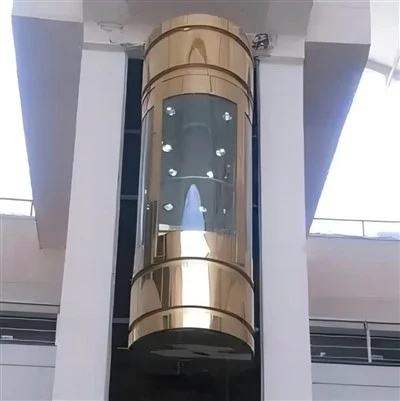
Panoramic glass lifts have become a popular choice in modern architecture, offering passengers a unique and breathtaking view as they travel between floors. As a leading panoramic glass lift supplier, I often receive questions from customers about the safety features of these lifts, particularly the presence of emergency stop buttons. In this blog post, I will delve into the topic of whether panoramic glass lifts have emergency stop buttons, explain their importance, and provide insights into our company's approach to elevator safety.
The Importance of Emergency Stop Buttons in Lifts
Emergency stop buttons are a critical safety feature in all types of lifts, including panoramic glass lifts. These buttons allow passengers to quickly halt the lift's operation in the event of an emergency, such as a sudden malfunction, a medical emergency, or an unexpected intrusion. By pressing the emergency stop button, passengers can prevent the lift from continuing to move, which can help avoid potential injuries or further damage to the lift.
In addition to providing a means of immediate control, emergency stop buttons also play a crucial role in compliance with safety regulations. Most countries and regions have strict safety standards and codes that require lifts to be equipped with emergency stop buttons. These regulations are in place to ensure the safety of passengers and to minimize the risk of accidents in elevators.
Do Panoramic Glass Lifts Have Emergency Stop Buttons?
The short answer is yes, panoramic glass lifts are typically equipped with emergency stop buttons. Just like traditional lifts, panoramic glass lifts are designed to meet strict safety standards and regulations, which include the requirement for emergency stop buttons. These buttons are usually located inside the lift car, within easy reach of passengers. They are clearly marked and often have a distinctive color, such as red, to make them easily recognizable in an emergency.
In our company, we take elevator safety very seriously. All of our Panoramic Glass Elevator are equipped with high-quality emergency stop buttons that are designed to be reliable and easy to use. Our emergency stop buttons are tested rigorously to ensure that they meet or exceed industry standards for safety and performance.
How Emergency Stop Buttons Work in Panoramic Glass Lifts
When a passenger presses the emergency stop button in a panoramic glass lift, it sends a signal to the lift's control system to immediately stop the lift's movement. The control system then activates the lift's brakes, which bring the lift to a safe and controlled stop. Once the lift has stopped, the emergency stop button will usually remain engaged until it is manually reset by a qualified elevator technician.


It's important to note that pressing the emergency stop button should only be done in genuine emergency situations. False alarms can cause unnecessary disruptions and may require the assistance of elevator technicians to reset the system. If you are unsure whether a situation warrants the use of the emergency stop button, it's best to contact the building management or the elevator maintenance team for guidance.
Other Safety Features in Panoramic Glass Lifts
In addition to emergency stop buttons, panoramic glass lifts are equipped with a range of other safety features to ensure the well-being of passengers. These features may include:
- Overload Protection: Panoramic glass lifts are designed to detect when they are overloaded and will automatically prevent the lift from operating until the excess weight is removed. This helps to prevent the lift from malfunctioning or becoming damaged due to excessive weight.
- Door Interlocks: The doors of panoramic glass lifts are equipped with interlocks that prevent the lift from moving unless the doors are fully closed and locked. This helps to prevent passengers from being trapped between the doors or falling out of the lift while it is in motion.
- Emergency Lighting and Communication Systems: In the event of a power outage or other emergency, panoramic glass lifts are equipped with emergency lighting to provide visibility inside the lift car. They also have communication systems, such as intercoms or emergency phones, that allow passengers to contact the building management or the elevator maintenance team for assistance.
- Safety Sensors: Panoramic glass lifts are fitted with safety sensors that detect obstacles in the path of the lift doors or the lift car. If an obstacle is detected, the sensors will cause the lift to stop or reverse its direction to avoid a collision.
Our Company's Commitment to Elevator Safety
As a panoramic glass lift supplier, we are committed to providing our customers with the highest level of safety and quality. We work closely with leading elevator manufacturers and industry experts to ensure that our lifts are designed and built to meet the latest safety standards and regulations.
In addition to equipping our lifts with emergency stop buttons and other safety features, we also offer comprehensive maintenance and servicing programs to ensure that our lifts remain in optimal working condition. Our team of qualified elevator technicians is available 24/7 to respond to any emergency situations and to provide prompt and reliable service.
Conclusion
Panoramic glass lifts are equipped with emergency stop buttons, which are an essential safety feature that allows passengers to quickly halt the lift's operation in the event of an emergency. These buttons, along with other safety features such as overload protection, door interlocks, emergency lighting, and communication systems, help to ensure the safety and well-being of passengers.
If you are considering installing a panoramic glass lift in your building, we encourage you to contact us to learn more about our products and services. Our team of experts can provide you with detailed information about our Capsule Lift for 2 Person and Capsule Passenger Elevator, as well as our commitment to elevator safety. We look forward to working with you to provide a safe and reliable elevator solution for your building.
References
- International Organization for Standardization (ISO). (2017). Safety rules for the construction and installation of elevators - Part 1: Electric and hydraulic passenger and goods passenger elevators (ISO 8100-1:2017).
- American Society of Mechanical Engineers (ASME). (2016). Safety code for elevators and escalators (ASME A17.1-2016).
- European Committee for Standardization (CEN). (2010). Safety rules for the construction and installation of lifts - Part 1: Electric lifts (EN 81-20:2010).