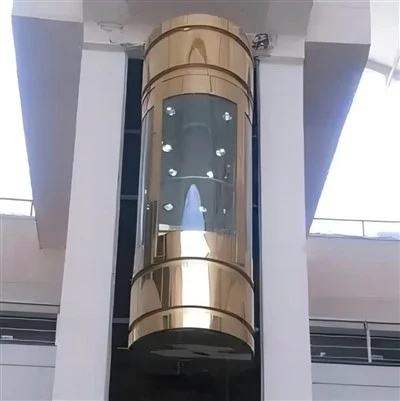
As a supplier of Vacuum Passenger Lifts, I've often been asked whether these innovative vertical transportation solutions require special ventilation. This question is crucial for both residential and commercial building owners, as proper ventilation not only ensures the comfort of passengers but also the longevity and safety of the lift system. In this blog post, I'll delve into the technical aspects of vacuum passenger lifts and explore the need for special ventilation.
How Vacuum Passenger Lifts Work
Before discussing ventilation requirements, it's essential to understand how vacuum passenger lifts operate. Unlike traditional cable - driven or hydraulic lifts, vacuum passenger lifts use air pressure differentials to move the cabin. A vacuum pump at the top of the lift shaft creates a low - pressure area above the cabin, and the higher atmospheric pressure below the cabin pushes it upwards. To descend, the air is gradually released into the area above the cabin, equalizing the pressure and allowing the cabin to move down under the influence of gravity.
This unique operating principle offers several advantages, such as a compact design, energy efficiency, and quiet operation. Since there are no cables or hydraulic fluids, the maintenance requirements are also relatively low. However, this design also raises questions about ventilation.
The Role of Ventilation in Lifts
Ventilation in lifts serves multiple purposes. First and foremost, it provides fresh air to passengers, ensuring their comfort and safety during the journey. In enclosed spaces like lift cabins, carbon dioxide can accumulate, leading to discomfort, dizziness, and in extreme cases, health risks. Adequate ventilation helps to maintain a healthy air quality by removing stale air and introducing fresh oxygen.
Secondly, ventilation helps to control the temperature and humidity inside the lift cabin. Extreme temperatures can cause discomfort to passengers and may also affect the performance of the lift's electronic components. By regulating the air circulation, ventilation systems can keep the cabin environment within a comfortable range.
Do Vacuum Passenger Lifts Need Special Ventilation?
The short answer is that it depends on several factors. Vacuum passenger lifts, by their nature, have a relatively small cabin volume compared to traditional lifts. This means that the amount of air required to maintain a comfortable environment is also less. Additionally, since the lift operates using air pressure differentials, there is a natural exchange of air as the cabin moves up and down the shaft.
However, there are still scenarios where special ventilation may be necessary.
High - Traffic Commercial Buildings
In commercial settings, such as shopping malls, office buildings, or hotels, vacuum passenger lifts may experience high traffic. With a large number of passengers using the lift throughout the day, the demand for fresh air increases significantly. In these cases, a dedicated ventilation system may be required to ensure that the air quality remains high. For example, Commercial Passenger Lift installations in busy commercial areas often need to meet strict ventilation standards to comply with building codes and ensure passenger comfort.
Long - Duration Journeys
In tall buildings, the journey time in a lift can be relatively long. Passengers may spend several minutes inside the cabin, especially in high - rise structures. During these extended periods, the need for fresh air becomes more critical. Special ventilation can help to prevent the build - up of carbon dioxide and maintain a comfortable environment for passengers. Commercial Passenger Elevators in skyscrapers are often equipped with advanced ventilation systems to address this issue.
Health and Safety Regulations
In some regions, building codes and health and safety regulations mandate specific ventilation requirements for all types of lifts, including vacuum passenger lifts. These regulations are in place to protect the well - being of passengers and ensure that the lift operates in a safe and healthy environment. Even if the natural air exchange in a vacuum lift is sufficient under normal circumstances, it may still be necessary to install a ventilation system to comply with local laws.
Types of Ventilation Systems for Vacuum Passenger Lifts
If special ventilation is required, there are several types of systems that can be used.
Natural Ventilation
Natural ventilation relies on the movement of air through openings in the lift shaft and cabin. This can include vents at the top and bottom of the shaft, as well as small openings in the cabin walls. As the lift moves, air is drawn in and out of the cabin, providing a basic level of ventilation. While natural ventilation is simple and cost - effective, it may not be sufficient in high - traffic or large - scale installations.
Mechanical Ventilation
Mechanical ventilation systems use fans and ducts to actively circulate air. These systems can be more precise in controlling the air flow and quality. For example, a mechanical ventilation system can be programmed to adjust the air exchange rate based on the number of passengers in the cabin or the duration of the journey. This type of system is often used in commercial applications where a high level of ventilation control is required.
Benefits of Proper Ventilation in Vacuum Passenger Lifts
Proper ventilation in vacuum passenger lifts offers several benefits.
Passenger Comfort
By providing fresh air and maintaining a comfortable temperature and humidity level, ventilation systems enhance the overall passenger experience. Passengers are more likely to have a positive impression of the building and the lift service, which can be beneficial for businesses in attracting and retaining customers.


Equipment Longevity
Good ventilation helps to protect the lift's electronic and mechanical components from damage caused by high temperatures and humidity. By keeping the components cool and dry, the lifespan of the lift can be extended, reducing maintenance costs and downtime.
Compliance
As mentioned earlier, proper ventilation ensures compliance with local building codes and health and safety regulations. This can help building owners avoid fines and legal issues, and also demonstrate their commitment to providing a safe and healthy environment for occupants.
Conclusion
In conclusion, while vacuum passenger lifts have a natural air exchange mechanism due to their operating principle, there are situations where special ventilation may be necessary. High - traffic commercial buildings, long - duration journeys, and compliance with local regulations are all factors that can influence the need for a ventilation system. As a supplier of Vacuum Passenger Lifts, we understand the importance of providing a safe and comfortable experience for passengers. We offer a range of ventilation solutions tailored to the specific needs of each installation.
If you're considering installing a Vacuum Passenger Lift in your building, whether it's a Commercial Passenger Lift for a business or a Passenger Lift for Homes, we're here to help. Our team of experts can assess your requirements and recommend the most suitable ventilation system for your lift. Contact us today to discuss your project and explore how our Vacuum Passenger Lifts can enhance your building's vertical transportation.
References
- Building Ventilation Standards Handbook
- Lift Installation and Maintenance Guidelines
- Research on Air Quality in Enclosed Spaces