As a supplier of hospital elevators, I've seen firsthand the importance of designing elevators that prevent entrapment. Hospital elevators are used by a diverse range of people, including patients on stretchers, medical staff in a hurry, and visitors. Ensuring their safety and smooth operation is crucial. In this blog, I'll share how we design hospital elevators to prevent entrapment.
1. Advanced Door Systems
One of the primary areas where entrapment can occur is the elevator doors. We use state - of - the - art door sensors in our hospital elevators. These sensors are highly sensitive and can detect even the slightest obstruction. For example, if a patient's gown or a medical device gets caught in the doors, the sensors immediately trigger the doors to reopen.
We also have multiple layers of safety mechanisms for the doors. There are infrared sensors that create an invisible curtain across the door opening. If anything breaks this curtain, the doors stop closing and open again. Additionally, mechanical sensors on the edges of the doors can detect pressure. When they sense an object pressing against the door, they send a signal to reverse the door's movement.
Another feature of our door design is the slow - closing function. As the doors are about to close, they slow down significantly. This gives passengers more time to react if they realize they need to enter or exit the elevator. It also reduces the force with which the doors close, minimizing the risk of entrapment.
2. Robust Control Systems
Our hospital elevators are equipped with advanced control systems that constantly monitor the elevator's operation. These systems are designed to detect any abnormal behavior that could lead to entrapment. For instance, if the elevator starts to move erratically or if there is a sudden power fluctuation, the control system can immediately stop the elevator and hold it in place.
The control system also has a self - diagnostic feature. It regularly checks all the components of the elevator, including the motors, cables, and sensors. If it detects a potential problem, it can send an alert to our maintenance team before it causes an entrapment situation.
We use redundant control systems in our elevators. This means that if one control system fails, there is a backup system that can take over and ensure the safe operation of the elevator. This redundancy greatly reduces the risk of entrapment due to control system failures.
3. Emergency Communication and Rescue Features
In case of an entrapment, it's essential that passengers can communicate with the outside world. Our hospital elevators are equipped with emergency communication devices. There is a dedicated emergency call button inside the elevator that, when pressed, connects the passengers to our 24/7 monitoring center.
The monitoring center staff are trained to handle elevator entrapment situations. They can assess the situation, provide reassurance to the passengers, and coordinate with the maintenance and rescue teams.


We also have emergency lighting and ventilation systems in the elevators. In the event of a power outage or an entrapment situation, these systems ensure that the passengers have a safe and comfortable environment inside the elevator until they are rescued.
For rescue purposes, our elevators are designed with easy - access panels for maintenance and rescue teams. These panels allow them to quickly gain access to the elevator shaft and free the entrapped passengers.
4. Regular Maintenance and Inspections
To prevent entrapment, regular maintenance and inspections are a must. We have a comprehensive maintenance program for our hospital elevators. Our technicians visit the hospitals on a regular basis to check and service the elevators.
During these maintenance visits, they inspect all the components of the elevator, including the doors, control systems, cables, and motors. They clean the sensors, lubricate the moving parts, and tighten any loose connections. They also perform tests on the emergency communication and rescue features to ensure they are working properly.
We keep detailed records of all the maintenance and inspections. This allows us to track the history of each elevator and identify any recurring problems. If a particular component shows signs of wear and tear, we can replace it before it causes an entrapment situation.
5. Specialized Design for Different Hospital Needs
We understand that different areas of a hospital have different elevator requirements. That's why we offer a variety of elevator types, such as the Hospital Stretcher Elevator, Hospital Pattern Elevator, and Observation Elevator.
The Hospital Stretcher Elevator is designed to accommodate patients on stretchers. It has a larger cabin size and wider doors to allow easy access. The control system is also programmed to move the elevator smoothly, minimizing the discomfort for the patients.
The Hospital Pattern Elevator is designed for general use in the hospital. It has a more standard size but still incorporates all the safety features to prevent entrapment.
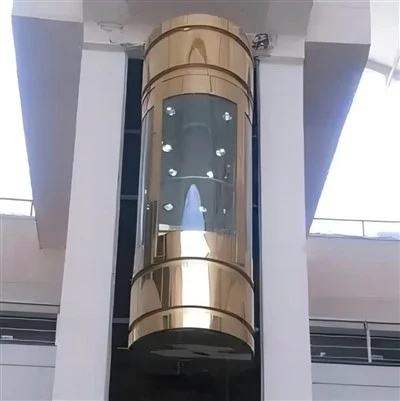
The Observation Elevator is often used in areas where patients or visitors can enjoy a view. It has a unique design but also adheres to the same high - safety standards to prevent entrapment.
Conclusion
Designing hospital elevators to prevent entrapment is a complex but essential task. By using advanced door systems, robust control systems, emergency communication and rescue features, regular maintenance and inspections, and specialized designs, we can ensure the safety of the passengers in our hospital elevators.
If you're looking for high - quality hospital elevators that prioritize safety and prevent entrapment, don't hesitate to contact us for a procurement discussion. We're here to provide you with the best elevator solutions for your hospital.
References
- Elevator Safety Standards Handbook. American Society of Mechanical Engineers.
- Hospital Facility Design Guidelines. Healthcare Facilities Accreditation Program.