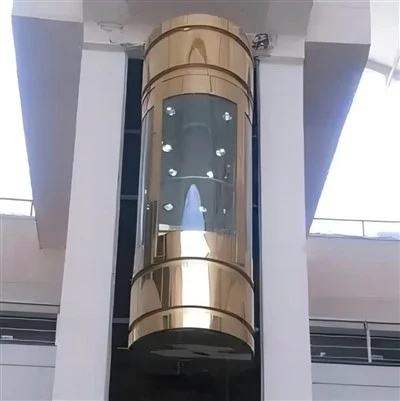
As a supplier of hydraulic villa lifts, I understand the importance of preventing common problems to ensure the smooth operation and longevity of these essential home devices. In this blog, I'll share some practical tips on how to prevent common issues in hydraulic villa lifts.
1. Regular Maintenance
Regular maintenance is the cornerstone of preventing problems in hydraulic villa lifts. Just like a car, a lift needs routine check - ups to stay in good condition.
- Scheduled Inspections: Set up a regular inspection schedule, at least once every three months. During these inspections, a professional technician should examine all the components of the lift, including the hydraulic system, cables, pulleys, and safety devices. Check for any signs of wear and tear, leaks, or loose connections. For example, a small hydraulic fluid leak might seem insignificant at first, but if left unaddressed, it can lead to a loss of pressure and potential lift failure.
- Lubrication: Proper lubrication is crucial for the moving parts of the lift. The guide rails, pulleys, and other mechanical components should be lubricated according to the manufacturer's recommendations. This reduces friction, which in turn minimizes wear and tear and helps the lift operate more quietly and smoothly.
2. Hydraulic System Care
The hydraulic system is the heart of a hydraulic villa lift, and taking good care of it is essential to prevent common problems.
- Fluid Quality: Use high - quality hydraulic fluid and change it regularly. Over time, the hydraulic fluid can become contaminated with dirt, debris, and moisture, which can damage the hydraulic pump and other components. As a general rule, the hydraulic fluid should be changed every 1 - 2 years, depending on usage.
- Filter Replacement: The hydraulic filter plays a vital role in keeping the fluid clean. Replace the filter at the recommended intervals to ensure that it can effectively remove contaminants from the fluid. A clogged filter can restrict the flow of hydraulic fluid, leading to increased pressure and potential damage to the system.
3. Electrical System Management
The electrical system of a hydraulic villa lift controls its operation, and any issues with it can cause the lift to malfunction.
- Inspect Wiring: Regularly inspect the wiring for any signs of damage, such as frayed wires or loose connections. Electrical problems can not only cause the lift to stop working but also pose a safety hazard. If any wiring issues are detected, they should be repaired immediately by a qualified electrician.
- Power Supply: Ensure that the lift is connected to a stable power supply. Fluctuations in voltage can damage the electrical components of the lift. Consider installing a voltage stabilizer to protect the lift from power surges and dips.
4. Safety Device Checks
Safety devices are crucial for the safe operation of a hydraulic villa lift. Regularly checking these devices can prevent serious accidents.
- Overload Protection: Test the overload protection device regularly to ensure that it functions correctly. This device is designed to prevent the lift from operating when it is overloaded, which can cause damage to the lift and pose a risk to passengers.
- Emergency Stop Button: The emergency stop button should be easily accessible and in good working condition. Test it periodically to make sure that it can immediately stop the lift in case of an emergency.
5. Proper Usage
Educating users on proper usage is also an important part of preventing common problems in hydraulic villa lifts.
- Load Limits: Make sure that users are aware of the lift's load limits and do not exceed them. Overloading the lift can put excessive stress on the hydraulic system and other components, leading to premature wear and potential failure.
- Door Operation: Teach users to operate the lift doors correctly. Do not force the doors open or close, as this can damage the door mechanisms and the safety sensors.
6. Environmental Considerations
The environment in which the hydraulic villa lift is installed can also affect its performance and longevity.
- Temperature and Humidity: Extreme temperatures and high humidity can have a negative impact on the lift's components. If the lift is installed in an area with harsh environmental conditions, consider installing climate control systems to maintain a stable temperature and humidity level.
- Dust and Debris: Keep the lift shaft and the surrounding area clean. Dust and debris can accumulate on the lift components, causing damage over time. Regularly vacuum and clean the area to prevent this from happening.
By following these tips, you can significantly reduce the risk of common problems in hydraulic villa lifts. As a supplier, I am committed to providing high - quality products and services to ensure the safety and reliability of your lifts. If you are considering installing a hydraulic villa lift in your home, you can explore our range of products. Check out our Villa Elevators, Personal Home Elevator, and Small Residential Lift options.
If you have any questions or are interested in purchasing a hydraulic villa lift, feel free to reach out to us for a detailed consultation and to discuss your specific needs. We are here to help you make the best choice for your home.


References
- "Hydraulic Lift Maintenance Guide", Industry Standard Publications
- "Safety Regulations for Residential Lifts", National Building Codes