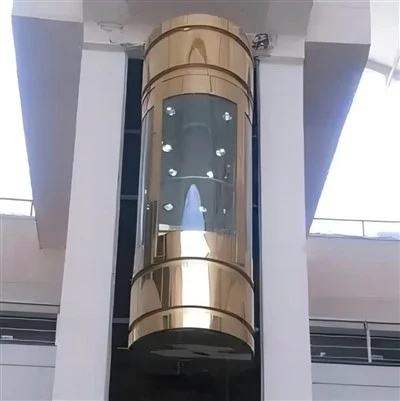
Hey there! As a supplier of Hydraulic Villa Lifts, I often get asked by customers how they can tell if their lift has a leak. It's a crucial question because a leak in a hydraulic villa lift can lead to all sorts of problems, from reduced performance to potential safety hazards. So, in this blog post, I'm gonna share some tips on how you can spot a leak in your hydraulic villa lift.
Visual Inspection
The first and easiest way to check for a leak is through a visual inspection. Start by looking at the base of the lift. If you see any puddles or wet spots, that's a clear sign of a leak. Hydraulic fluid is usually a light - colored, oily liquid. Sometimes, it might leave a shiny or greasy residue on the floor around the lift.
Take a close look at the hydraulic cylinders. These are the large, tube - like components that are responsible for moving the lift up and down. Check for any signs of fluid dripping or seeping from the seals around the cylinders. If you notice any wetness or a build - up of fluid on the cylinders, it's likely that there's a leak.
Also, examine the hoses and pipes connected to the hydraulic system. Look for any cracks, holes, or loose connections. A damaged hose can cause fluid to leak out. If you see any frayed or damaged areas on the hoses, it's a good idea to have them replaced as soon as possible. You can learn more about Hydraulic Villa Lift systems on our website to understand the components better.
Check the Fluid Level
Regularly checking the hydraulic fluid level is another important step. Most hydraulic villa lifts have a fluid reservoir. You can usually find it near the pump or the control panel. There's often a sight glass or a dipstick that allows you to check the fluid level.
If the fluid level is consistently dropping, even after you've topped it up, there's a high chance that there's a leak. Keep in mind that the fluid level might drop slightly over time due to normal operation, but a significant and continuous decrease is a red flag.
When checking the fluid level, make sure the lift is in a stationary position and the system is turned off. This will give you an accurate reading. If you're not sure how to check the fluid level, refer to the lift's user manual or contact our support team.
Listen for Unusual Noises
A leaking hydraulic system can sometimes make strange noises. If you hear a hissing or whistling sound coming from the lift, it could be a sign of a pressure leak. The escaping fluid can create these sounds as it forces its way out of the system.
Another noise to watch out for is a loud, knocking sound. This could indicate that the hydraulic pump is working harder than it should because of a leak. The pump has to compensate for the loss of fluid, which can cause it to make abnormal noises. If you notice any of these sounds, it's important to have the lift inspected by a professional.
Monitor the Lift's Performance
A leak in the hydraulic system can also affect the performance of the lift. If you notice that the lift is moving slower than usual, or if it jerks or hesitates during operation, it could be due to a leak. The loss of hydraulic fluid can cause a decrease in pressure, which affects the smooth movement of the lift.
Also, pay attention to how the lift stops. If it stops abruptly or doesn't stop at the correct floor level, a leak could be the culprit. These performance issues can not only be inconvenient but also pose a safety risk. So, if you notice any changes in the lift's performance, it's time to investigate for a possible leak.
Look for Foaming in the Fluid
When you check the hydraulic fluid, look for signs of foaming. Foaming can indicate that air is getting into the system, which is often a result of a leak. Air in the hydraulic fluid can cause the lift to operate erratically and can also damage the pump and other components over time.
If you see foam in the fluid reservoir, it's a good idea to have the system checked. A professional technician can identify the source of the air leak and fix it. You can find more information about maintaining your Elevators For Villas on our website.


Check for Odors
Hydraulic fluid has a distinct smell. If you notice a strong, oily odor around the lift, it could be a sign of a leak. The escaping fluid can evaporate and release this odor into the air. This is especially true if the leak is in an enclosed area where the odor can build up.
If you smell the hydraulic fluid, don't ignore it. It's important to find the source of the leak and fix it as soon as possible to prevent any further damage.
Consider the Age and Usage of the Lift
Older lifts are more likely to develop leaks due to wear and tear. If your lift is several years old, it's a good idea to be extra vigilant when checking for leaks. The seals, hoses, and other components can deteriorate over time, increasing the risk of a leak.
Also, if the lift is used frequently, it's under more stress, which can also lead to leaks. High - usage lifts should be inspected regularly to catch any potential leaks early.
What to Do If You Find a Leak
If you suspect that your hydraulic villa lift has a leak, the first thing you should do is stop using the lift. Continuing to operate a lift with a leak can cause further damage to the system and pose a safety risk.
Contact a professional technician to inspect and repair the leak. Our team of experienced technicians can quickly identify the source of the leak and perform the necessary repairs. We have the expertise and the tools to handle any hydraulic lift issue.
In some cases, a simple repair like tightening a loose connection or replacing a seal might be enough. However, if the damage is more severe, such as a cracked hose or a damaged cylinder, more extensive repairs might be required.
Why Choose Our Hydraulic Villa Lifts
Our Home Elevator Systems are designed with quality and safety in mind. We use high - quality components and advanced manufacturing techniques to ensure that our lifts are reliable and long - lasting.
When you choose our hydraulic villa lifts, you're not just getting a product; you're getting a complete solution. We offer comprehensive after - sales support, including regular maintenance and repair services. Our team is always available to answer your questions and help you keep your lift in top condition.
If you're in the market for a new hydraulic villa lift or need to replace an existing one, we'd love to have a chat with you. Our sales team can provide you with all the information you need and help you choose the right lift for your villa. Contact us today to start the conversation about your home elevator needs.
References
- "Hydraulic Lift Maintenance Guide", Industry Standard Publications
- "Safety and Performance of Villa Elevators", National Elevator Association Reports