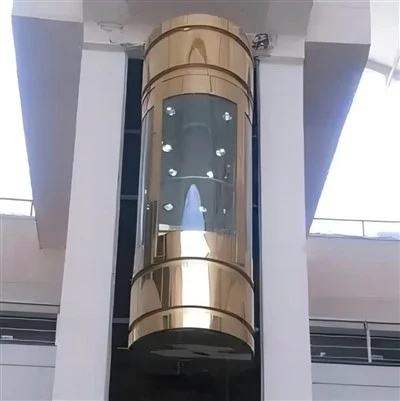
Hey there! As a supplier of elevators for hospitals, I've been thinking a lot about how our products can ensure the safety of patients in earthquake - prone areas. It's a crucial topic, and I'm excited to share some insights with you.
First off, let's talk about why hospital elevators need to be extra safe during earthquakes. Hospitals are places where people's lives are at stake. Patients on stretchers, in wheelchairs, or those who are too weak to move on their own rely on elevators to get to different floors for treatments, surgeries, or examinations. In an earthquake, any malfunction of the elevator can lead to serious consequences, such as trapping patients inside or causing them physical harm.
One of the key features we focus on when designing hospital elevators for earthquake - prone areas is seismic resistance. Our Hospital Lift models are engineered to withstand the vibrations and movements caused by earthquakes. We use high - quality materials and advanced construction techniques. For example, the elevator shafts are reinforced with special steel frames that can flex and absorb the shockwaves during an earthquake. This helps prevent the shaft from collapsing, which is essential for the safety of the elevator car and the patients inside.
Another important aspect is the control system. Our elevators are equipped with state - of - the - art control systems that can detect seismic activity. Once an earthquake is detected, the elevator immediately stops at the nearest floor, opens the doors, and allows the passengers to get out safely. The system also cuts off power to non - essential components to prevent electrical fires or short - circuits. This quick response time can save lives, especially in a hospital setting where every second counts.
Let's take a closer look at our Hospital Bed Elevator. These elevators are designed to carry patients on beds. They have a larger and more stable car to accommodate the beds and medical equipment. During an earthquake, the bed - securing mechanisms in these elevators are crucial. We've developed special clamps and restraints that keep the beds firmly in place, preventing them from moving around and potentially injuring the patients. This is a feature that we've fine - tuned based on extensive research and real - world simulations.
Our Hospital Pattern Lift also has unique safety features. It's designed to be used in different hospital layouts and can handle a high volume of traffic. In earthquake - prone areas, the lift's emergency communication system is vital. It allows the passengers inside the elevator to communicate with the hospital staff immediately in case of an earthquake. This way, the staff can provide instructions and assistance, and also coordinate rescue efforts if needed.
We also conduct regular maintenance and inspections of our elevators. In earthquake - prone areas, the wear and tear on the elevators can be more severe due to the constant minor seismic activity. Our maintenance teams are trained to look for signs of damage that could compromise the elevator's safety during an earthquake. They check the structural integrity of the shaft, the functionality of the control system, and the effectiveness of the safety features. By keeping the elevators in top - notch condition, we can ensure that they will perform as expected when an earthquake strikes.
In addition to the technical features, we also provide training to hospital staff on how to use the elevators safely during an earthquake. We hold workshops and seminars where we demonstrate the emergency procedures and answer any questions they might have. This helps create a more informed and prepared environment in the hospital, which is essential for the overall safety of the patients.
Now, I know you might be thinking about the cost. Of course, implementing all these safety features in our hospital elevators does come with a price. But when you consider the value of human lives, it's a small price to pay. Our elevators are an investment in the safety and well - being of the patients. And we offer competitive pricing and financing options to make it more accessible for hospitals in earthquake - prone areas.
If you're a hospital administrator, architect, or anyone involved in the planning and procurement of hospital equipment, I encourage you to get in touch with us. We'd love to have a detailed discussion about your specific needs and how our elevators can meet them. We can provide you with more information, product brochures, and even arrange for a demonstration.


Ensuring the safety of patients in hospital elevators during earthquakes is a complex but achievable goal. With our advanced technology, rigorous maintenance, and comprehensive training programs, we're confident that our elevators can provide a safe and reliable transportation solution for hospitals in earthquake - prone areas. Don't hesitate to reach out and start the conversation about how we can work together to protect the lives of your patients.
References
- Seismic Design and Safety of Elevators in Buildings. Journal of Structural Engineering.
- Best Practices for Hospital Elevator Safety in Earthquake - Prone Regions. American Hospital Association.