


In the dynamic environment of a hospital, elevators serve as crucial arteries, facilitating the smooth movement of patients, medical staff, and equipment. Ensuring the safety of patients, especially during unexpected situations like sudden stops, is of paramount importance. As a dedicated supplier of [Elevator for Hospital], I understand the gravity of this responsibility and have delved deep into the mechanisms and technologies that make hospital elevators a reliable and safe mode of vertical transportation.
Understanding the Risks of Sudden Stops
Sudden stops in elevators can occur due to various reasons, such as power failures, mechanical malfunctions, or safety system activations. For patients, especially those in critical condition or on stretchers, a sudden stop can pose significant risks. The abrupt halt can cause physical trauma, such as falls or collisions within the elevator car. Moreover, it can also lead to psychological distress, which may exacerbate the patient's existing condition.
Advanced Safety Systems
To mitigate the risks associated with sudden stops, modern hospital elevators are equipped with a plethora of advanced safety systems. One of the most critical components is the overspeed governor. This device continuously monitors the elevator's speed and, in the event of an overspeed condition, activates the safety brakes to bring the elevator to a controlled stop. The safety brakes are designed to grip the guide rails firmly, preventing the elevator from free-falling or moving erratically.
Another essential safety feature is the emergency stop button. Located inside the elevator car and at each landing, this button allows passengers or medical staff to immediately halt the elevator in case of an emergency. When pressed, the elevator's control system receives a signal to disengage the drive motor and activate the safety brakes.
In addition to these mechanical safety features, hospital elevators are also equipped with sophisticated electronic monitoring systems. These systems continuously monitor the elevator's operation, including its speed, position, and door status. Any deviation from the normal operating parameters triggers an alarm, alerting the elevator maintenance team to investigate the issue promptly.
Power Backup and Emergency Lighting
Power failures are a common cause of sudden elevator stops. To ensure the safety of patients during such situations, hospital elevators are typically equipped with power backup systems. These systems, such as uninterruptible power supplies (UPS) or emergency generators, provide temporary power to the elevator, allowing it to continue operating or safely come to a stop at the nearest floor.
Emergency lighting is another crucial feature that is essential for patient safety during sudden stops. In the event of a power failure, the emergency lighting system automatically activates, providing sufficient illumination inside the elevator car and at each landing. This ensures that passengers can see clearly and safely exit the elevator if necessary.
Structural Design and Reinforcement
The structural design of hospital elevators is also optimized to enhance patient safety during sudden stops. The elevator car is typically constructed using high-strength materials, such as steel or aluminum, to withstand the forces generated during a sudden stop. The interior of the car is designed to minimize the risk of injury, with rounded edges and padded walls to prevent passengers from being injured in case of a collision.
In addition to the car design, the elevator shaft and guide rails are also reinforced to ensure their stability and integrity. The guide rails are securely anchored to the building structure, providing a reliable support system for the elevator car. This helps to prevent the elevator from derailing or tilting during a sudden stop.
Training and Maintenance
Ensuring the safety of patients in hospital elevators also requires proper training and maintenance. Elevator operators and medical staff should receive comprehensive training on the operation and safety features of the elevators. This includes training on how to use the emergency stop button, how to respond to a sudden stop, and how to safely evacuate patients from the elevator in case of an emergency.
Regular maintenance and inspections are also essential to ensure the proper functioning of the elevator's safety systems. Elevators should be inspected and maintained by qualified technicians on a regular basis, in accordance with the manufacturer's recommendations and local regulations. This includes checking the safety brakes, overspeed governor, emergency lighting system, and other critical components to ensure they are in good working condition.
Our Products: Elevator for Hospital Bed, Hospital Pattern Elevator, and Hospital Freight Elevator
As a leading supplier of [Elevator for Hospital], we offer a wide range of elevator products specifically designed for hospitals. Our [Elevator for Hospital Bed] is designed to accommodate patients on stretchers or beds, with a spacious interior and a smooth ride to ensure patient comfort and safety. The elevator is equipped with all the advanced safety features mentioned above, including overspeed governor, safety brakes, emergency stop button, and emergency lighting system.
Our [Hospital Pattern Elevator] is designed to meet the specific needs of hospitals, with a stylish and modern design that blends seamlessly with the hospital environment. The elevator is available in a variety of configurations and sizes, allowing us to customize it to meet the specific requirements of each hospital.
Our [Hospital Freight Elevator] is designed to transport heavy medical equipment and supplies within the hospital. The elevator is built with a robust structure and a high-capacity design to handle the heavy loads. It is also equipped with advanced safety features to ensure the safety of the operators and the equipment being transported.
Elevator for Hospital Bed
Hospital Pattern Elevator
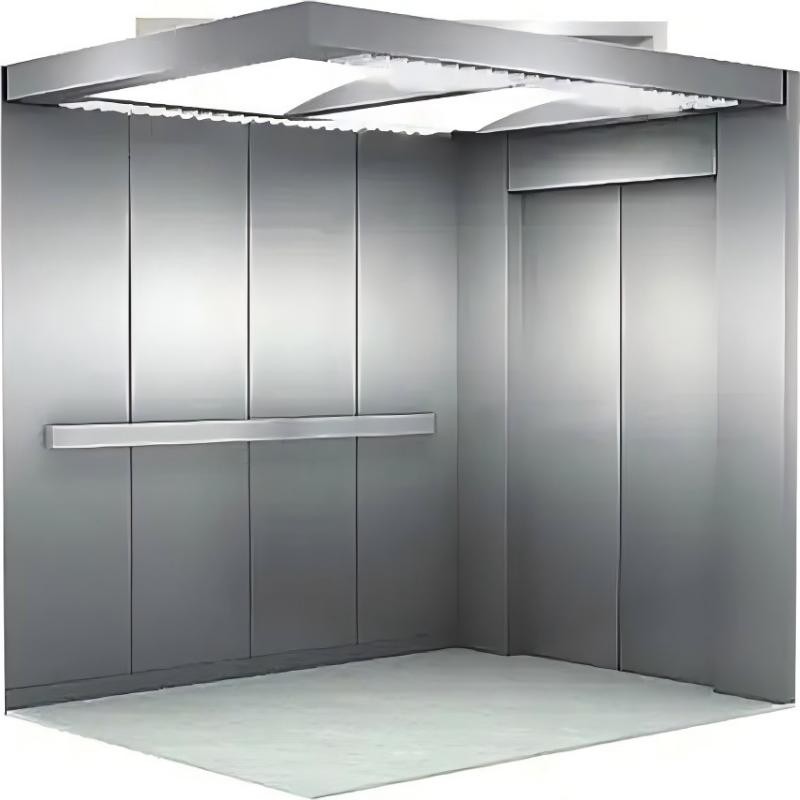
Hospital Freight Elevator

Conclusion
Ensuring the safety of patients in hospital elevators during sudden stops is a complex and multi-faceted challenge. It requires a combination of advanced safety systems, proper structural design, regular maintenance, and comprehensive training. As a supplier of [Elevator for Hospital], we are committed to providing high-quality elevator products and services that meet the highest standards of safety and reliability.
If you are interested in learning more about our hospital elevator products or would like to discuss your specific requirements, please feel free to contact us. We look forward to the opportunity to work with you to ensure the safety and comfort of your patients.
References
- International Organization for Standardization (ISO). (2017). ISO 22559-1:2017 - Lifts (elevators) - Safety rules for the construction and installation of lifts - Part 1: Passenger and goods passenger lifts.
- American Society of Mechanical Engineers (ASME). (2016). ASME A17.1/CSA B44 - Safety Code for Elevators and Escalators.
- National Fire Protection Association (NFPA). (2018). NFPA 101 - Life Safety Code.


