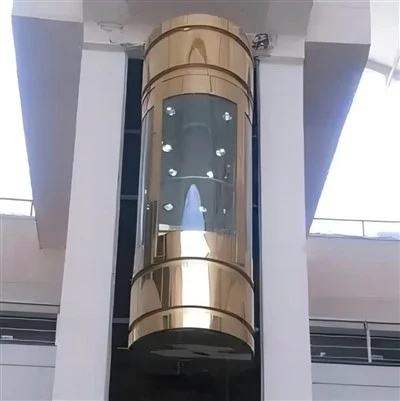
As a leading supplier of electric passenger lifts, I've witnessed firsthand the detrimental effects of corrosion on these essential vertical transportation systems. Corrosion not only compromises the structural integrity of the lift but also poses significant safety risks to passengers. In this blog post, I'll share some effective strategies to prevent corrosion in electric passenger lifts, ensuring their longevity and reliable performance.
Understanding the Causes of Corrosion in Electric Passenger Lifts
Before delving into prevention methods, it's crucial to understand the factors that contribute to corrosion in electric passenger lifts. The primary causes include:
Moisture and Humidity
Moisture is the most significant contributor to corrosion in electric passenger lifts. Elevators are often installed in environments with high humidity, such as basements, parking garages, and industrial facilities. When moisture accumulates on the lift's metal components, it creates an electrochemical reaction that leads to corrosion.
Chemical Exposure
Elevators installed in areas with high levels of chemicals, such as factories, hospitals, and laboratories, are also at risk of corrosion. Chemicals such as acids, alkalis, and salts can react with the lift's metal surfaces, causing them to corrode.
Abrasion and Wear
The constant movement of the lift's components, such as the cables, pulleys, and guide rails, can cause abrasion and wear. This can expose the metal surfaces to the environment, making them more susceptible to corrosion.
Lack of Maintenance
Failure to perform regular maintenance on the lift can also contribute to corrosion. Dirt, dust, and debris can accumulate on the lift's components, creating a barrier that prevents proper ventilation and promotes the growth of corrosion.
Strategies to Prevent Corrosion in Electric Passenger Lifts
Choose Corrosion-Resistant Materials
One of the most effective ways to prevent corrosion in electric passenger lifts is to use corrosion-resistant materials. Stainless steel, aluminum, and galvanized steel are all excellent choices for lift components. These materials are highly resistant to corrosion and can withstand harsh environments.
Apply Protective Coatings
Applying a protective coating to the lift's metal components can also help prevent corrosion. Epoxy, polyurethane, and powder coatings are all commonly used to protect lift components from moisture, chemicals, and abrasion. These coatings create a barrier that prevents the metal from coming into contact with the environment.


Control Moisture and Humidity
Controlling moisture and humidity is essential for preventing corrosion in electric passenger lifts. Installing a dehumidifier in the elevator shaft can help reduce the humidity levels and prevent moisture from accumulating on the lift's components. Additionally, ensuring proper ventilation in the elevator shaft can help remove moisture and prevent the growth of mold and mildew.
Implement Regular Maintenance
Regular maintenance is crucial for preventing corrosion in electric passenger lifts. This includes cleaning the lift's components, inspecting for signs of corrosion, and lubricating moving parts. By performing regular maintenance, you can identify and address any potential issues before they become major problems.
Monitor Corrosion
Monitoring the lift's components for signs of corrosion is also important. This can be done through visual inspections, non-destructive testing, and corrosion monitoring systems. By regularly monitoring the lift's components, you can detect corrosion early and take corrective action to prevent further damage.
Choosing the Right Electric Passenger Lift
When choosing an electric passenger lift, it's important to consider the environment in which it will be installed. If the lift will be installed in a high-humidity or corrosive environment, it's essential to choose a lift that is designed to withstand these conditions. At our company, we offer a wide range of electric passenger lifts, including 4 Passenger Lift, Passenger Platform Lift, and Automatic Passenger Elevator, all of which are designed to be corrosion-resistant and durable.
Conclusion
Corrosion is a significant issue that can affect the performance and safety of electric passenger lifts. By understanding the causes of corrosion and implementing effective prevention strategies, you can ensure the longevity and reliability of your lift. At our company, we are committed to providing high-quality electric passenger lifts that are designed to withstand the toughest environments. If you're interested in learning more about our products or have any questions about preventing corrosion in electric passenger lifts, please don't hesitate to contact us for a consultation. We look forward to working with you to meet your vertical transportation needs.
References
- ASME A17.1/CSA B44 Safety Code for Elevators and Escalators
- NACE International Corrosion Prevention Manual
- ASTM International Standards for Corrosion Testing and Evaluation