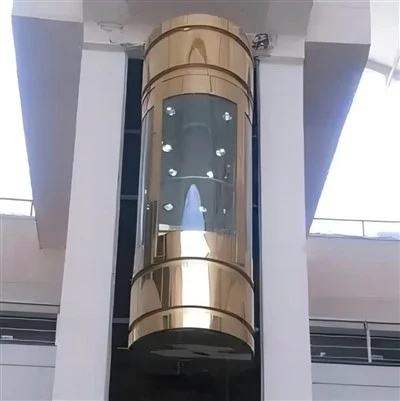
Hey there! As a supplier of single passenger lifts, I've seen my fair share of common problems that can crop up. Troubleshooting these issues is a crucial part of ensuring the smooth operation of these lifts. In this blog, I'll walk you through some of the most common problems and how you can fix them.
1. Door Malfunctions
One of the most frequent issues with single passenger lifts is door malfunctions. You might encounter doors that won't open or close properly, or they may get stuck midway.
Possible Causes
- Sensor Issues: The door sensors are designed to detect any obstructions in the door's path. If these sensors are dirty or misaligned, they can cause the doors to behave erratically. For example, a small piece of debris on the sensor can make it think there's an obstruction when there isn't one.
- Mechanical Problems: The door mechanisms, such as the rollers, tracks, or hinges, can wear out over time. This can lead to the doors not sliding or swinging smoothly. A worn - out roller might cause the door to jam, preventing it from opening or closing fully.
Troubleshooting Steps
- Check the Sensors: First, visually inspect the door sensors for any dirt or debris. Clean them gently with a soft, dry cloth. Make sure they are properly aligned. If cleaning and alignment don't solve the problem, you may need to replace the sensors.
- Inspect the Mechanical Parts: Look at the rollers, tracks, and hinges. If you notice any signs of wear, such as loose parts or excessive friction, you can lubricate the moving parts with a suitable lubricant. If the parts are severely damaged, they'll need to be replaced.
2. Electrical Problems
Electrical issues can also be a major headache when it comes to single passenger lifts. These can range from power outages to problems with the control panel.


Possible Causes
- Power Supply: A simple power outage in the building can cause the lift to stop working. Additionally, loose or damaged electrical connections can disrupt the power flow to the lift components.
- Control Panel Malfunctions: The control panel is the brain of the lift. Software glitches, faulty buttons, or damaged circuit boards can lead to incorrect operation of the lift.
Troubleshooting Steps
- Check the Power Supply: First, make sure that the building's power is on. Then, inspect the electrical connections to the lift. Look for any loose wires or signs of damage. If you find any, tighten the connections or replace the damaged wires.
- Reset the Control Panel: Sometimes, a simple reset can fix minor software glitches. Refer to the lift's manual for instructions on how to reset the control panel. If the problem persists, it may be a sign of a more serious issue with the circuit board, and you may need to call in a professional technician.
3. Noisy Operation
If your single passenger lift is making excessive noise during operation, it's a sign that something is wrong.
Possible Causes
- Mechanical Friction: As mentioned earlier, worn - out mechanical parts such as gears, pulleys, or bearings can cause a lot of noise. The friction between these parts can create a grinding or screeching sound.
- Lubrication Issues: Insufficient lubrication in the moving parts can also lead to increased friction and noise.
Troubleshooting Steps
- Identify the Source of the Noise: Try to pinpoint where the noise is coming from. If it's coming from the machinery room, check the gears, pulleys, and bearings. If it's from the lift car, inspect the doors and other moving components inside.
- Lubricate the Parts: Apply the appropriate lubricant to the parts that are causing the noise. Make sure to use the right type of lubricant as specified in the lift's manual.
4. Slow or Erratic Movement
A single passenger lift that moves too slowly or in an erratic manner can be a real inconvenience.
Possible Causes
- Hydraulic Problems (if it's a hydraulic lift): In a hydraulic lift, issues with the hydraulic fluid level, leaks in the hydraulic system, or problems with the hydraulic pump can cause slow or erratic movement.
- Motor Issues: The lift motor may be overheating, or there could be a problem with its electrical supply, causing it to operate inefficiently.
Troubleshooting Steps
- Check the Hydraulic System: If it's a hydraulic lift, check the hydraulic fluid level. If it's low, top it up. Look for any signs of leaks in the hydraulic lines. If you find a leak, it will need to be repaired.
- Inspect the Motor: Check the motor for any signs of overheating, such as a burning smell or excessive heat. Make sure that the electrical connections to the motor are secure. If the problem persists, it may be necessary to have the motor serviced or replaced.
5. Communication Problems
Modern single passenger lifts often have communication systems for safety and convenience. If these systems aren't working properly, it can be a concern.
Possible Causes
- Faulty Intercom or Emergency Call System: The intercom or emergency call system may have a problem with its wiring, speakers, or microphones.
- Network Issues: If the lift has a network - based communication system, problems with the network infrastructure can disrupt communication.
Troubleshooting Steps
- Test the Intercom and Emergency Call System: Try making a test call using the intercom or emergency call button. If you can't hear anything or the call doesn't go through, check the wiring and the components. Replace any faulty parts if necessary.
- Check the Network: If it's a network - based system, make sure that the network is working properly. Check the network cables and the router. You may need to contact your network service provider if the problem persists.
In addition to these common problems, it's important to keep in mind the overall quality and features of the single passenger lift. For example, the Passenger Compartment Of Elevator should be well - designed and maintained to ensure passenger comfort. Also, our Energy - efficient Passenger Elevators are a great option for those looking to save on energy costs. And if you need a short - term solution, our Temporary Passenger Lift can be a practical choice.
If you're facing any of these problems with your single passenger lift or if you're in the market for a new one, don't hesitate to reach out. We're here to help you troubleshoot any issues and provide you with the best single passenger lift solutions. Whether you're a building owner, a facility manager, or an individual looking for a lift for your home, we can offer expert advice and high - quality products.
Contact us to start a procurement discussion and find the perfect single passenger lift for your needs.
References
- Elevator Maintenance Handbook, Various Authors
- Manufacturer's Manuals for Single Passenger Lifts