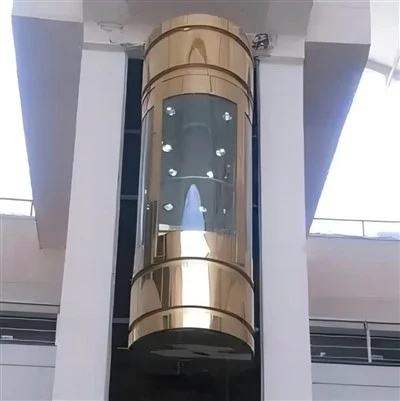
Hey there! As a supplier of hydraulic villa lifts, I've gotten a ton of questions about how these bad boys perform in cold climates. It's a fair concern, right? After all, extreme cold can mess with all sorts of machinery, and your home elevator is no exception. So, let's dive into the nitty - gritty of how a hydraulic villa lift behaves when the mercury drops.
First off, let's understand the basics of a hydraulic villa lift. If you're not too familiar, you can check out our Villa Lift page to get a better idea. These lifts use a hydraulic system, which means they rely on fluid pressure to move the elevator car up and down. The system has a hydraulic cylinder, a pump, and a reservoir filled with hydraulic fluid.
In normal temperatures, this setup works like a charm. But when it gets cold, things can get a bit tricky. One of the main issues is the viscosity of the hydraulic fluid. Viscosity is just a fancy word for how thick or thin a fluid is. In cold weather, hydraulic fluid tends to thicken up. When the fluid gets too thick, it doesn't flow as easily through the system. This can lead to slower operation of the lift. You might notice that the elevator takes longer to go up or down, or it might move a bit jerkily.
Another problem that can arise in cold climates is with the seals in the hydraulic system. Seals are used to keep the hydraulic fluid where it's supposed to be, and prevent leaks. Cold temperatures can make these seals brittle. When seals become brittle, they're more likely to crack or break. And if a seal fails, you could end up with a hydraulic fluid leak. Not only is this a mess, but it can also cause the lift to malfunction.
The electrical components of the hydraulic villa lift can also be affected by the cold. Batteries, for example, don't perform as well in cold weather. They lose their charge more quickly, and their overall capacity is reduced. This can be a real headache if your lift has a backup battery system for emergencies. You might think you're covered in case of a power outage, but if the battery is struggling in the cold, it might not last as long as you need it to.
Now, don't get too worried. There are ways to make sure your hydraulic villa lift performs well even in cold climates. One of the most important things is to use the right type of hydraulic fluid. Some fluids are specifically designed to work in cold temperatures. They have a lower viscosity at low temperatures, which means they'll flow more easily through the system. You can talk to your lift technician about getting the right fluid for your lift.
Insulation is also key. Adding insulation to the elevator shaft and the machinery room can help keep the temperature inside more stable. This can prevent the hydraulic fluid from getting too cold and thickening up. You can think of it like putting a warm coat on your lift!
Regular maintenance is a must, especially in cold climates. You should have your lift checked by a professional at least once a year, and more often if you live in an area with extremely cold winters. During these maintenance checks, the technician can inspect the seals, check the fluid levels and condition, and test the electrical components. They can also make any necessary adjustments to keep your lift running smoothly.
If you're in the market for a new Personal Home Elevator, there are some models that are better suited for cold climates. Look for lifts that have features like cold - weather - resistant seals, high - quality batteries, and insulation built - in. These features can make a big difference in how well the lift performs in cold weather.
It's also a good idea to have a plan in place for dealing with extreme cold snaps. For example, if you know a really cold spell is coming, you can keep the elevator running at a slow pace to keep the hydraulic fluid warm. You can also set up a heating system in the machinery room to maintain a more consistent temperature.
In conclusion, while cold climates can pose some challenges for hydraulic villa lifts, with the right precautions and maintenance, your lift can still perform well. Don't let the cold weather scare you away from getting the convenience and accessibility that a Villa Elevators can offer.
If you're interested in learning more about our hydraulic villa lifts or have any questions about how they'll perform in your area's climate, we'd love to hear from you. Just reach out to us, and we can have a chat about your specific needs and how we can help you get the perfect lift for your home. Whether you're building a new villa or looking to upgrade your existing one, we've got the expertise and the products to make it happen.

References
- General knowledge of hydraulic systems and elevator technology
- Industry reports on elevator performance in different climates