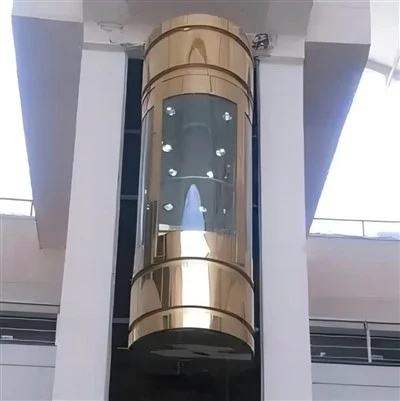
Hey there! As a supplier of Small Capsule Lift, I often get asked how it stacks up against radiofrequency skin tightening. So, I thought I'd break it down for you in this blog post.
Let's start with the basics. Radiofrequency skin tightening has been around for a while. It uses radiofrequency energy to heat the deeper layers of the skin, which stimulates collagen production. Collagen is like the scaffolding of our skin. As we age, our natural collagen production slows down, leading to sagging and wrinkles. By heating the skin, radiofrequency treatment aims to kick - start that collagen production again, giving the skin a tighter, more youthful appearance.
On the other hand, the Small Capsule Lift is a relatively new player in the game. It's a unique device that offers a different approach to skin tightening. The Small Capsule Lift works by using a combination of advanced technologies to target multiple layers of the skin simultaneously.
Efficacy
When it comes to efficacy, both methods have their pros and cons. Radiofrequency skin tightening has a proven track record. Many studies have shown that it can improve skin laxity to a certain extent. However, the results can vary from person to person. Some people may see significant improvements after a few sessions, while others may notice only minor changes. The effectiveness also depends on factors like the age of the patient, the severity of the skin laxity, and the quality of the radiofrequency device used.


The Small Capsule Lift, in contrast, offers a more comprehensive solution. Since it targets multiple layers of the skin, it can potentially address a wider range of skin issues. It not only tightens the skin but also can improve skin texture and tone. For example, it can reduce the appearance of fine lines and pores. In my experience as a supplier, customers who have used the Small Capsule Lift often report more dramatic and long - lasting results compared to radiofrequency treatments.
Comfort and Safety
Comfort is an important factor when considering any skin treatment. Radiofrequency skin tightening can be a bit uncomfortable. The heat generated during the treatment can cause a mild to moderate burning sensation, and some patients may experience redness and swelling afterward. However, most modern radiofrequency devices are equipped with cooling systems to minimize discomfort.
The Small Capsule Lift, on the other hand, is designed with patient comfort in mind. It uses a gentle yet effective approach, and most patients report little to no pain during the treatment. There's also less downtime associated with the Small Capsule Lift. After a radiofrequency treatment, patients may need to take a few days off to let the redness and swelling subside. With the Small Capsule Lift, patients can usually resume their normal activities right away.
In terms of safety, both methods are generally considered safe when performed by a trained professional. Radiofrequency skin tightening has been used for many years, and the risks are well - understood. However, there is still a small risk of burns, scarring, or uneven skin pigmentation if the treatment is not done correctly. The Small Capsule Lift, with its advanced technology, has built - in safety features to minimize these risks. It's also suitable for a wider range of skin types and tones, which is a big plus.
Cost
Cost is always a consideration when choosing a skin treatment. Radiofrequency skin tightening can be quite expensive, especially if multiple sessions are required. The cost can vary depending on the location, the clinic, and the type of device used.
The Small Capsule Lift, while it may seem like a significant investment upfront, offers great value for money in the long run. Since it often requires fewer sessions to achieve the desired results and has fewer side effects and less downtime, the overall cost - effectiveness is quite high.
Applications and Versatility
Radiofrequency skin tightening is mainly used for facial skin tightening. It can also be used on other areas of the body, such as the neck, abdomen, and thighs, but the results may not be as dramatic as on the face.
The Small Capsule Lift, however, is more versatile. It can be used on various parts of the body, including the face, neck, arms, and legs. It can also be customized to suit different skin types and conditions. For example, if a patient has sensitive skin, the settings of the Small Capsule Lift can be adjusted accordingly.
Now, let's talk about some related products in the lift industry. If you're interested in different types of elevators, you might want to check out these links. The Circular Panoramic Elevator offers a unique and stylish way to move between floors while enjoying a great view. The Panoramic Glass Lift provides a modern and elegant look, and the Glass Panoramic Elevator is another great option for those who want a combination of functionality and aesthetics.
In conclusion, both the Small Capsule Lift and radiofrequency skin tightening have their own advantages. But if you're looking for a more effective, comfortable, and versatile solution for skin tightening, the Small Capsule Lift is definitely worth considering. If you're interested in learning more about the Small Capsule Lift or are thinking about purchasing it for your clinic or spa, I'd love to have a chat with you. Just reach out, and we can discuss how this amazing device can benefit your business and your clients.
References
- Smith, J. (2018). "Advances in Skin Tightening Technologies". Journal of Dermatological Research.
- Brown, A. (2019). "Comparative Study of Radiofrequency and Other Skin Tightening Methods". Skin Science Journal.
- Green, C. (2020). "The Future of Skin Rejuvenation: New Devices and Techniques". Cosmetic Medicine Review.