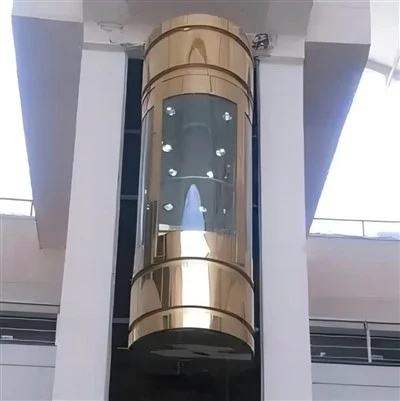
As a supplier of passenger elevators, I am often asked about how the control system of a passenger elevator operates. In this blog post, I will delve into the intricacies of elevator control systems, explaining the key components and processes that ensure safe, efficient, and reliable operation.
The Basics of an Elevator Control System
At its core, an elevator control system is designed to manage the movement of the elevator car between floors, respond to passenger requests, and ensure the safety of everyone using the elevator. The system consists of several key components, each playing a crucial role in the overall operation of the elevator.
1. Control Panel
The control panel is the nerve center of the elevator control system. It is typically located in the elevator machine room and houses the main control unit, which is responsible for processing all the signals and commands related to the elevator's operation. The control panel receives input from various sources, such as the call buttons inside and outside the elevator car, sensors, and safety devices, and uses this information to determine the appropriate actions for the elevator.
2. Call Buttons
Call buttons are located both inside and outside the elevator car. Outside the car, passengers can press up or down buttons to request the elevator. Inside the car, passengers can select their desired floor. When a call button is pressed, a signal is sent to the control panel, which then decides how to allocate the elevator to serve the request.
3. Sensors
Sensors are used throughout the elevator system to monitor various parameters and ensure safe operation. For example, door sensors detect if the elevator doors are fully open or closed. If the doors are not properly closed, the elevator will not move. There are also weight sensors in the elevator car to prevent overloading. Additionally, position sensors are used to determine the exact location of the elevator car within the shaft.
4. Motor and Drive System
The motor and drive system are responsible for moving the elevator car up and down. The control panel sends signals to the drive system, which then controls the speed and direction of the motor. Modern elevators often use variable frequency drives (VFDs), which allow for precise control of the motor's speed, resulting in smoother rides and energy savings.


How the Control System Operates
The operation of an elevator control system can be divided into several stages:
1. Call Registration
When a passenger presses a call button, the control panel registers the request. It stores the information about the location of the call (inside or outside the car) and the desired destination. The control panel then uses an algorithm to determine the most efficient way to serve the call.
2. Car Allocation
Once a call is registered, the control panel decides which elevator car will respond to the request. This decision is based on several factors, such as the current position of the elevator cars, their direction of travel, and the number of pending calls. The goal is to minimize the waiting time for passengers and optimize the overall efficiency of the elevator system.
3. Movement Control
After the car is allocated, the control panel sends signals to the motor and drive system to start moving the elevator car towards the requested floor. The control panel continuously monitors the position of the car using the position sensors and adjusts the speed of the motor accordingly. As the car approaches the desired floor, the control panel gradually slows down the motor to ensure a smooth stop.
4. Door Operation
When the elevator car reaches the requested floor, the control panel sends signals to open the doors. The door sensors ensure that the doors open and close properly. Once the passengers have entered or exited the car, the control panel sends a signal to close the doors, and the elevator is ready to move to the next destination.
5. Call Handling
If there are other pending calls, the control panel will continue to allocate the elevator car to serve these requests. It will follow the same process of call registration, car allocation, movement control, and door operation until all the calls have been served.
Advanced Features of Modern Elevator Control Systems
In addition to the basic functions described above, modern elevator control systems often include advanced features to improve performance, safety, and user experience.
1. Destination Control System (DCS)
A destination control system allows passengers to enter their desired destination floor before entering the elevator car. The control panel then assigns the passengers to the most appropriate elevator car based on their destination. This system can significantly reduce waiting times and improve the efficiency of the elevator system, especially in high-rise buildings.
2. Traffic Management
Elevator control systems can be programmed to adapt to different traffic patterns throughout the day. For example, during peak hours, the system can prioritize serving multiple floors in a single trip to reduce the number of stops and increase the overall capacity of the elevator.
3. Safety Features
Modern elevator control systems are equipped with a variety of safety features to protect passengers. These include emergency stop buttons, overspeed governors, and safety brakes. In the event of an emergency, the control panel can immediately stop the elevator car and activate the safety devices to prevent any accidents.
Our Passenger Elevator Offerings
As a leading supplier of passenger elevators, we offer a wide range of products to meet the diverse needs of our customers. Whether you are looking for a Passenger Lift for Homes, a Small Passenger Elevator, or an External Passenger Lift, we have the right solution for you.
Our elevators are equipped with state-of-the-art control systems that ensure smooth, efficient, and safe operation. We use the latest technology and high-quality components to build elevators that are reliable and durable. Our team of experts can also provide customized solutions based on your specific requirements.
Contact Us for Procurement
If you are interested in purchasing a passenger elevator for your home or building, we would be happy to assist you. Our sales team can provide you with detailed information about our products, including specifications, pricing, and installation services. We can also arrange a site visit to assess your needs and provide a personalized solution.
Don't hesitate to contact us for procurement and further discussions. We look forward to working with you to provide the best elevator solution for your project.
References
- "Elevator Technology Handbook" by Wolfgang Schnieder
- "Elevator Engineering" by Frank E. Dwyer
- Industry standards and guidelines from relevant elevator associations