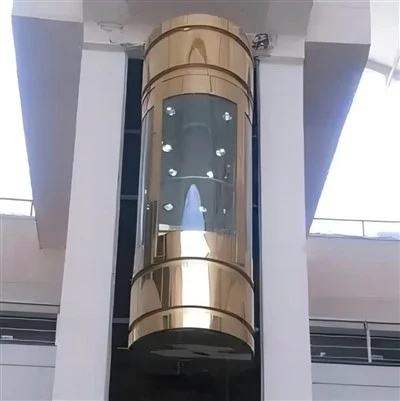
As a professional villa elevator supplier, I often encounter inquiries from customers about the emergency rescue devices in villa elevators. Understanding how these devices work is crucial for ensuring the safety of elevator users. In this blog post, I'll delve into the working principles of emergency rescue devices in villa elevators, providing you with in - depth knowledge to help you make informed decisions when purchasing a villa elevator.
1. Types of Emergency Situations in Villa Elevators
Before exploring how emergency rescue devices work, it's essential to understand the common emergency situations that can occur in villa elevators. These situations include power outages, mechanical failures, and control system malfunctions.
Power outages are one of the most frequent causes of elevator emergencies. In a villa, if there is a sudden power cut in the building, the elevator may stop between floors. Mechanical failures, such as problems with the hoisting ropes, brakes, or guide rails, can also lead to the elevator getting stuck. Control system malfunctions, which may be caused by software glitches or electrical component failures, can disrupt the normal operation of the elevator and result in an emergency situation.
2. Key Components of Emergency Rescue Devices
2.1 Emergency Power Supply
An emergency power supply is a fundamental part of the emergency rescue system in a villa elevator. It provides electricity to the elevator when the main power fails. Most villa elevators are equipped with a battery - powered emergency power supply. When a power outage occurs, the battery automatically kicks in to supply power to essential elevator functions, such as the control panel, lighting, and communication systems.
The emergency power supply is designed to provide enough energy to operate the elevator for a certain period. For example, it can power the elevator to move to the nearest floor and open the doors, allowing passengers to exit safely. This component ensures that the elevator doesn't remain in a dark and isolated state during a power failure.
2.2 Manual Release Device
The manual release device is another important part of the emergency rescue mechanism. In the event of a mechanical or electrical failure that causes the elevator to stop, the manual release device can be used to manually open the elevator doors. This device is usually located in the elevator shaft or the machine room.
Trained maintenance personnel can access the manual release device and use it to release the elevator's brakes and open the doors. However, it should be noted that only qualified technicians should operate the manual release device, as improper operation can lead to serious safety risks.
2.3 Communication System
A reliable communication system is crucial for emergency situations in villa elevators. When passengers are trapped in an elevator, they need to be able to communicate with the outside world. Most villa elevators are equipped with an intercom system that allows passengers to speak directly to the building's management or a dedicated emergency response center.
In addition to the intercom, some modern villa elevators also feature a mobile phone signal booster. This ensures that passengers can use their mobile phones to call for help if the intercom system fails. The communication system plays a vital role in providing psychological support to trapped passengers and facilitating the rescue process.
3. How Emergency Rescue Devices Work in Different Scenarios
3.1 Power Outage
When a power outage occurs, the emergency power supply immediately takes over. The elevator control system, powered by the emergency power supply, first checks the position of the elevator car. If the elevator is close to a floor, the system will slowly move the car to that floor. This movement is usually at a reduced speed to ensure safety.
Once the elevator reaches the floor, the doors will open automatically. Passengers can then exit the elevator safely. The emergency lighting in the elevator car, also powered by the emergency power supply, remains on during this process, providing visibility for passengers.
3.2 Mechanical Failure
In the case of a mechanical failure, the elevator will stop immediately to prevent further damage. The safety brakes will engage to hold the elevator car in place. If the elevator is stuck between floors, the building's management or maintenance personnel will be notified through the communication system.
Trained technicians will then arrive at the scene. They will use the manual release device to release the brakes and, if necessary, manually move the elevator car to the nearest floor. This process requires careful operation and strict compliance with safety procedures.
3.3 Control System Malfunction
When a control system malfunction occurs, the elevator may behave erratically or stop suddenly. The communication system allows passengers to report the problem. Technicians will first try to diagnose the issue remotely through the elevator's monitoring system.
If the problem cannot be resolved remotely, they will go to the machine room to perform manual inspections and repairs. During this time, the emergency power supply ensures that the elevator's basic functions, such as lighting and communication, are maintained.
4. Importance of Regular Maintenance and Inspection
To ensure the proper functioning of emergency rescue devices in villa elevators, regular maintenance and inspection are essential. Maintenance personnel should regularly check the emergency power supply to ensure that the batteries are in good condition and fully charged. They should also test the manual release device to make sure it can be operated smoothly.
The communication system should be inspected regularly to ensure clear and reliable communication. Any faults or potential problems should be addressed immediately. Regular maintenance not only extends the lifespan of the emergency rescue devices but also guarantees their effectiveness in emergency situations.
5. Our Offerings as a Villa Elevator Supplier
As a leading villa elevator supplier, we offer a wide range of high - quality villa elevators equipped with advanced emergency rescue devices. Our Villa Elevator Lift models are designed with the latest safety technologies. The emergency power supply in our elevators has a long - lasting battery life, ensuring reliable operation during power outages.


Our Villa Lift series features a highly sensitive manual release device and a state - of - the - art communication system. We also provide Small Domestic Lift options that are suitable for smaller villas, with the same high - level safety features.
We understand that safety is the top priority for our customers. That's why we offer comprehensive after - sales services, including regular maintenance and inspection of the emergency rescue devices. Our team of professional technicians is available 24/7 to respond to any emergency situations.
If you are interested in purchasing a villa elevator or have any questions about our products and services, please feel free to contact us for further discussion. We are committed to providing you with the best elevator solutions that meet your safety and comfort requirements.
References
- Elevator Safety Standards and Guidelines, International Organization for Standardization (ISO).
- Technical Manuals of Villa Elevator Components, Leading Elevator Component Manufacturers.