


As a trusted supplier of Hydraulic Villa Lifts, I often encounter inquiries from clients regarding the time frame for obtaining permits to install these convenient and functional elevators in their homes. The process of securing permits for a hydraulic villa lift installation is a crucial step that varies significantly based on multiple factors. In this blog post, I'll delve into these factors, provide an estimated timeline, and offer some insights to help you navigate this process more smoothly.
Factors Affecting Permit Acquisition Time
1. Location
The geographical location of the villa is one of the most significant factors influencing the permit - obtaining process. Different regions, cities, and even neighborhoods may have their own unique building codes, regulations, and bureaucratic procedures. For instance, in major urban centers, the building department may be more congested with permit applications, leading to longer processing times. On the other hand, in rural areas, the process might be more streamlined, but there could still be specific local requirements.
In some countries or states, there are standardized national or state - level regulations for elevator installations. In Europe, for example, the European Union has harmonized standards (EN 81 series) for lifts, which simplifies the process to some extent. However, local authorities may still have additional requirements. In the United States, each state has its own set of elevator codes, and cities may add further stipulations. For instance, New York City has very strict building codes, and the permit application and approval process can be quite lengthy due to the high volume of applications and the need to ensure compliance with all safety and construction standards.

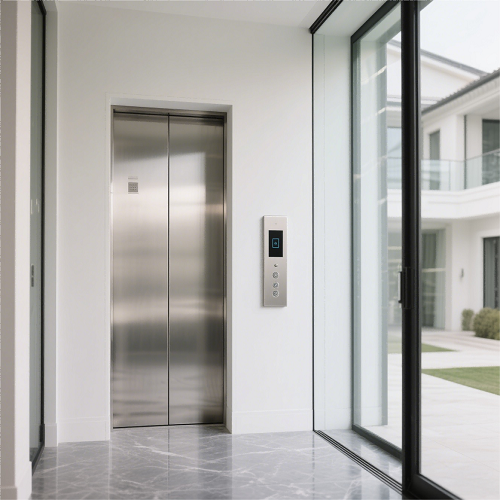
2. Type of Villa and Installation
The characteristics of the villa itself play a role in the permit - getting process. If the villa is a historical building, additional steps and approvals may be required. Preservation boards or historical commissions may need to review the installation plans to ensure that the elevator installation does not damage the historical integrity of the property. This can add weeks or even months to the permit acquisition timeline.
The complexity of the installation also matters. A simple, straightforward installation of a hydraulic villa lift in a newly constructed villa with proper pre - planned elevator shafts may take less time compared to a retrofit installation in an existing villa. Retrofit installations often require more detailed structural assessments to ensure that the building can support the weight and operation of the lift. This may involve hiring structural engineers to conduct in - depth analyses and submit reports to the relevant authorities, which can significantly extend the process.
3. Completeness of Documentation
The accuracy and completeness of the documentation submitted with the permit application are crucial. In general, you will need to provide detailed plans of the elevator installation, including floor plans, elevation drawings, and specifications of the hydraulic villa lift. These plans should clearly show the location of the lift, its dimensions, and how it will integrate with the existing building structure.
You may also need to submit safety certificates for the lift, which prove that it meets all relevant safety standards. Additionally, proof of insurance for the installation work and the lift's operation may be required. If any of these documents are missing or incomplete, the permit application will likely be delayed while you gather the necessary information. For example, if the elevator plans do not clearly show the fire - safety features or the emergency evacuation procedures, the authorities may reject the application until these details are provided.
Estimated Timeline
1. Pre - Application Phase (1 - 2 weeks)
Before submitting the permit application, you need to prepare all the necessary documentation. This includes working with architects or engineers to create detailed installation plans. You may also need to obtain quotes from contractors for the installation work. This pre - application phase typically takes about 1 - 2 weeks, depending on the complexity of the project and the availability of the professionals involved.
2. Application Submission and Initial Review (2 - 4 weeks)
Once the documentation is ready, you can submit the permit application to the local building department. The initial review by the authorities usually takes 2 - 4 weeks. During this time, they will check the completeness of the application and ensure that all the required documents are included. If there are any minor issues, they may contact you for clarification.
3. Technical Review (2 - 6 weeks)
After the initial review, the application will go through a technical review. This involves a more in - depth assessment of the elevator installation plans by engineers and safety experts at the building department. They will check for compliance with all relevant building codes and safety standards. The duration of this technical review can vary from 2 to 6 weeks, depending on the complexity of the project and the workload of the review team.
4. Public Notification and Hearing (Optional, 2 - 4 weeks)
In some cases, especially for large - scale or controversial installations, there may be a public notification and hearing process. This is to allow the local community to voice their opinions about the elevator installation. If a hearing is required, it can add an additional 2 - 4 weeks to the permit acquisition timeline.
5. Final Approval (1 - 2 weeks)
Once all the reviews are completed and any necessary changes have been made to the application, the final approval is usually issued within 1 - 2 weeks. After receiving the approval, you can proceed with the installation of the hydraulic villa lift.
In total, the entire process of obtaining permits for a hydraulic villa lift installation can take anywhere from 6 to 18 weeks, depending on the factors mentioned above.
Navigating the Permit Process
1. Work with Professionals
It is highly recommended to work with experienced architects, engineers, and contractors who are familiar with the local building codes and the permit application process. They can help you prepare accurate documentation, address any technical issues, and communicate effectively with the authorities.
2. Stay Informed
Keep in touch with the building department throughout the permit application process. Regularly check the status of your application and respond promptly to any requests for additional information. This will help ensure that the process moves forward as smoothly as possible.
Our Hydraulic Villa Lifts
At our company, we offer a wide range of Villa Elevators, including Hydraulic Lift For Villas and Lift For Private Home. Our lifts are designed to meet the highest safety and quality standards, and we can provide all the necessary documentation to support your permit application.
If you are considering installing a hydraulic villa lift in your home, we are here to assist you every step of the way. Our team of experts can help you understand the permit process, prepare the required documentation, and ensure a smooth installation. Contact us today to start the conversation about your hydraulic villa lift project.
References
- International Organization for Standardization (ISO). ISO standards related to elevator safety and construction.
- American Society of Mechanical Engineers (ASME). ASME A17 series of elevator codes.
- European Committee for Standardization (CEN). EN 81 series of lift standards.


