How long does it take to install a hospital bed elevator? This is a question that many hospital administrators, architects, and project managers often ask when planning a new hospital construction or renovation. As a leading Hospital Bed Elevator supplier, we understand the importance of providing accurate and reliable information regarding the installation time of our products. In this blog post, we will delve into the factors that influence the installation duration of a hospital bed elevator and provide a general timeline to help you better plan your project.

Factors Affecting the Installation Time
1. Elevator Type and Complexity
There are various types of elevators used in hospitals, including Hospital Bed Elevator, Observation Elevator, and Hospital Freight Elevator. Each type has its own level of complexity, which directly impacts the installation time.
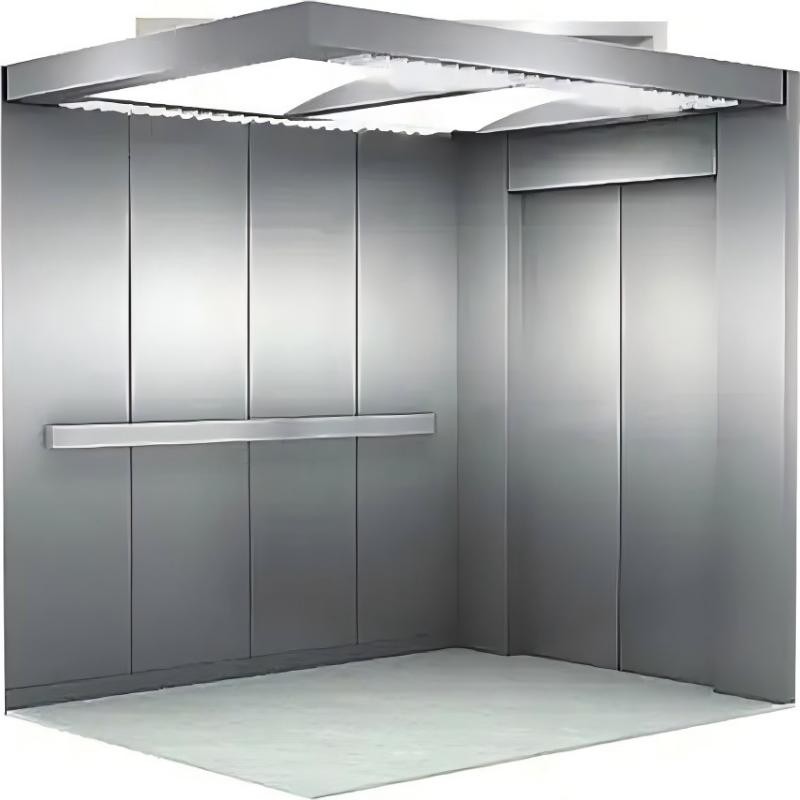
- Hospital Bed Elevator: These elevators are designed to accommodate stretchers and beds, requiring larger cab sizes and specific safety features. The installation of a hospital bed elevator typically involves more precise alignment and calibration to ensure smooth and safe operation. As a result, it may take longer to install compared to standard passenger elevators.
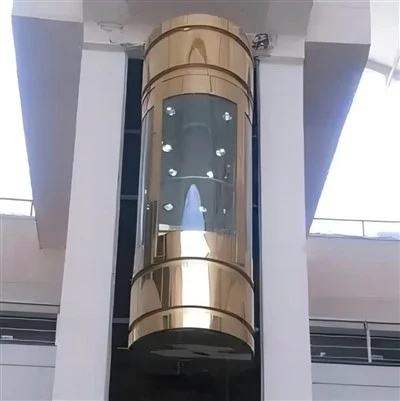
- Observation Elevator: Observation elevators are equipped with glass panels, allowing passengers to enjoy the view during the ride. The installation of these elevators requires careful handling of the glass components and additional safety measures. This can add to the overall installation time.
- Hospital Freight Elevator: Hospital freight elevators are used to transport heavy equipment, supplies, and waste. They are built to withstand heavy loads and may have larger doors and more robust structural components. The installation of a hospital freight elevator often involves more extensive structural modifications to the building, which can significantly increase the installation time.
2. Building Structure and Condition
The structure and condition of the building where the elevator will be installed play a crucial role in determining the installation time.
- New Construction vs. Retrofit: Installing an elevator in a new building is generally faster than retrofitting an existing building. In a new construction project, the elevator shaft can be designed and built to the specifications of the elevator system, eliminating the need for major structural modifications. On the other hand, retrofitting an existing building may require cutting through walls, floors, and ceilings, which can be time-consuming and complex.
- Building Accessibility: The accessibility of the building site can also impact the installation time. If the building is located in a congested area or has limited access for equipment and materials, it may take longer to transport and install the elevator components. Additionally, if the building has multiple floors or is tall, the installation process may be more challenging and time-consuming.
3. Customization and Special Features
Many hospitals require customized elevator solutions to meet their specific needs. Customization may include features such as special finishes, advanced control systems, and integration with other building systems.
- Custom Finishes: Custom finishes, such as wood paneling or stainless steel cladding, can add a touch of elegance to the elevator cab. However, these finishes often require additional time for fabrication and installation.
- Advanced Control Systems: Advanced control systems, such as destination dispatch or group control systems, can improve the efficiency and performance of the elevator. However, the installation and programming of these systems may require more time and expertise.
- Integration with Other Building Systems: Hospitals often require elevators to be integrated with other building systems, such as fire alarms, security systems, and building management systems. This integration can add complexity to the installation process and may require coordination with multiple contractors.
4. Permitting and Regulatory Requirements
Obtaining the necessary permits and complying with local building codes and regulations is an essential part of the elevator installation process.
- Permitting Process: The permitting process can vary depending on the location and the complexity of the project. In some areas, obtaining the required permits may take several weeks or even months. Delays in the permitting process can significantly impact the overall installation time.
- Code Compliance: Elevators must comply with strict safety codes and regulations to ensure the safety of passengers. The installation process must be carefully documented and inspected by local authorities to ensure compliance. Any non-compliance issues may require additional time and effort to correct, delaying the project.
General Installation Timeline
Based on our experience as a Hospital Bed Elevator supplier, the following is a general timeline for the installation of a hospital bed elevator:
1. Pre-Installation (2 - 4 weeks)
- Site Survey and Planning: Our team will conduct a detailed site survey to assess the building structure, dimensions, and accessibility. Based on the survey results, we will develop a customized installation plan and provide a detailed project schedule.
- Permitting and Documentation: We will assist you in obtaining the necessary permits and approvals from local authorities. This may include submitting detailed plans, specifications, and calculations.
- Material Procurement: Once the installation plan is finalized, we will order the elevator components and materials. The lead time for material procurement can vary depending on the availability of the components and the shipping distance.
2. Shaft Construction and Preparation (4 - 8 weeks)
- Shaft Construction: If the elevator shaft is not already built, we will begin the construction process. This may involve building the shaft walls, installing the guide rails, and pouring the floor slabs.
- Shaft Preparation: If the elevator shaft already exists, we will prepare it for the installation of the elevator components. This may include cleaning the shaft, repairing any damage, and installing the necessary support brackets.
3. Elevator Installation (6 - 12 weeks)
- Component Installation: We will begin the installation of the elevator components, including the cab, counterweight, hoistway equipment, and control system. This process requires careful alignment and calibration to ensure smooth and safe operation.
- Electrical and Mechanical Connections: Once the components are installed, we will connect the electrical and mechanical systems. This includes wiring the control panel, installing the power supply, and testing the elevator functions.
- Safety Testing and Inspection: After the installation is complete, we will conduct a series of safety tests and inspections to ensure that the elevator meets all the necessary safety standards. This may include load testing, emergency stop testing, and door safety testing.
4. Commissioning and Training (1 - 2 weeks)
- Commissioning: Once the elevator passes all the safety tests and inspections, we will commission the elevator and make any necessary adjustments to ensure optimal performance.
- Training: We will provide training to the hospital staff on how to operate and maintain the elevator safely. This includes training on the control panel, emergency procedures, and basic maintenance tasks.
Conclusion
The installation time of a hospital bed elevator can vary depending on several factors, including the elevator type and complexity, building structure and condition, customization and special features, and permitting and regulatory requirements. By working with a reputable Hospital Bed Elevator supplier and carefully planning the project, you can minimize the installation time and ensure a smooth and successful installation.
If you are planning to install a hospital bed elevator in your facility, we encourage you to contact us for a free consultation. Our team of experts will work closely with you to understand your specific needs and provide a customized solution that meets your requirements. We are committed to providing high-quality products, exceptional service, and competitive pricing. Let us help you make your hospital elevator project a success.
References
- Elevator World Magazine
- National Elevator Industry, Inc. (NEII)
- International Building Code (IBC)
- American Society of Mechanical Engineers (ASME) A17.1 Elevator and Escalator Safety Code