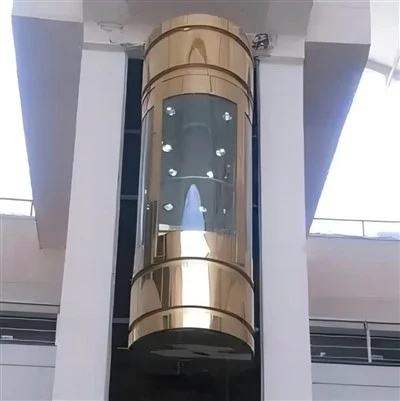
Hey there! I'm working with a company that's into supplying Vacuum Passenger Lifts. One question I get asked a ton is, "How long does it take to install a Vacuum Passenger Lift?" Well, it's not a one - size - fits - all answer, and I'm gonna break it down for you.
Factors Affecting Installation Time
Building Structure
The structure of the building where the lift is going to be installed plays a huge role. If it's a brand - new building that's been designed with the vacuum lift in mind, things can go a lot smoother. The architects and engineers can plan ahead, making sure there are proper shafts, electrical connections, and support structures. In such cases, the installation might take around 2 - 3 weeks.
On the other hand, if it's an existing building, we've got to do some serious modifications. We might need to cut through floors and walls to create the shaft for the lift. This can be a time - consuming process, especially if the building has a complex structure or historical significance. It could easily take 4 - 6 weeks or even longer, depending on how much work is required.
Lift Size and Capacity
The size and capacity of the Vacuum Passenger Lift also matter. Smaller lifts with a lower capacity are generally quicker to install. They don't require as much space for the shaft, and the components are lighter and easier to handle. A small, single - person lift might take about 1 - 2 weeks to install in an ideal situation.
But if you're looking at a large lift that can carry a dozen or more passengers, it's a whole different ballgame. These lifts need a bigger shaft, more powerful motors, and larger control systems. The installation can take anywhere from 3 - 5 weeks, even in a new building.
Customization
If you want a customized lift, that's going to add some time to the installation process. Custom features like special finishes, unique interior designs, or advanced control systems need to be fabricated and integrated into the lift. For example, if you want a lift with a glass exterior for a modern look, the glass panels need to be ordered, cut to size, and installed safely. This customization can add an extra 1 - 2 weeks to the installation time.
The Installation Process
Site Preparation
Before we can even start installing the lift, we need to prepare the site. This involves clearing the area where the lift will be installed, making sure the floor is level, and marking the location for the shaft. In an existing building, we might also need to remove any obstacles or old structures that could get in the way. This site preparation can take about 2 - 3 days, depending on the condition of the site.
Shaft Installation
The next step is installing the shaft. This is the vertical structure that the lift car will travel in. For a Vacuum Passenger Lift, the shaft needs to be airtight to create the vacuum that makes the lift work. We use pre - fabricated sections that are bolted together on - site. In a new building, the shaft installation might take about 1 - 2 weeks. In an existing building, it can take longer, especially if we have to cut through concrete or other tough materials.
Lift Car Installation
Once the shaft is in place, we install the lift car. The lift car is where the passengers will ride, and it needs to be installed precisely to ensure a smooth and safe ride. We first install the frame of the lift car, then add the walls, doors, and Passenger Compartment Of An Elevator. This process can take about 1 - 2 weeks, depending on the complexity of the lift car design.
Electrical and Control System Installation
The electrical and control systems are the brains of the lift. They control the movement of the lift car, the opening and closing of the doors, and the safety features. Installing these systems is a critical step, and it requires a high level of expertise. It usually takes about 1 - 2 weeks to install and test the electrical and control systems.
Testing and Commissioning
After all the components are installed, we need to test the lift to make sure it works properly. This involves running the lift through a series of tests, including safety tests, speed tests, and door operation tests. We also need to train the building's maintenance staff on how to operate and maintain the lift. The testing and commissioning phase can take about 1 - 2 weeks.


Real - World Examples
I've worked on a few projects, and I can give you some real - world examples of how long the installation took.
There was a small office building that wanted to install a single - person Vacuum Passenger Lift. The building was new, and the site was well - prepared. We were able to complete the installation in just 2 weeks. We didn't have to do any major modifications to the building, and the lift was a standard model with no custom features.
On the other hand, we had a project in an old historical building that wanted a large, high - capacity lift. The building had thick stone walls and a complex layout. We had to spend a lot of time cutting through the walls to create the shaft, and we also had to work closely with the historical preservation authorities to make sure we didn't damage the building's integrity. The whole installation process took about 8 weeks, including all the necessary approvals and inspections.
High - Speed Passenger Elevators
If you're interested in High Speed Passenger Elevator, the installation time can be a bit different. High - speed elevators require more advanced technology and precision installation. The shaft needs to be even more precisely aligned, and the control systems need to be calibrated for high - speed operation.
In a new building, a high - speed Vacuum Passenger Lift might take about 4 - 6 weeks to install. The additional time is mainly due to the more complex components and the need for more rigorous testing. In an existing building, it could take 6 - 8 weeks or more, depending on the building's structure and the amount of modification required.
Passenger Compartment Design
The design of the Passenger Compartment Of Elevator also affects the installation time. A simple, standard design can be installed relatively quickly. But if you want a luxurious or high - tech passenger compartment with features like LED lighting, touch - screen controls, and high - end finishes, it will take longer.
Customizing the passenger compartment can add an extra 1 - 2 weeks to the installation time. This is because the custom components need to be ordered, fabricated, and installed, and they often require more time for quality control.
Conclusion
So, as you can see, the time it takes to install a Vacuum Passenger Lift can vary widely depending on several factors. It can take anywhere from 2 weeks for a small, standard lift in a new building to 8 weeks or more for a large, customized lift in an existing building.
If you're thinking about installing a Vacuum Passenger Lift in your building, I'd love to have a chat with you. We can discuss your specific needs, assess your building, and give you a more accurate estimate of the installation time. Whether you're looking for a small, simple lift or a large, high - tech one, we've got the expertise to get the job done right. Reach out to us, and let's start the conversation about getting the perfect Vacuum Passenger Lift for your building.
References
- Industry standards and guidelines for elevator installation
- Case studies from previous Vacuum Passenger Lift installation projects
- Manufacturer's specifications for Vacuum Passenger Lifts