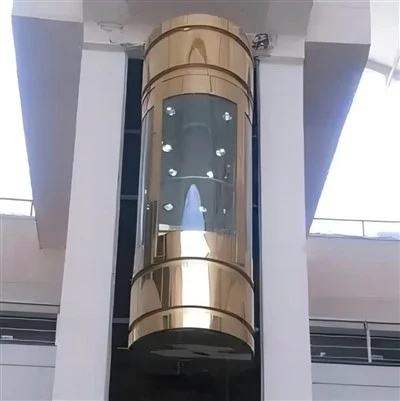
Warehouse elevator lifts are crucial components in the logistics and storage industry, facilitating the efficient movement of goods between different levels of a warehouse. As a supplier of Warehouse Elevator Lifts, I understand the importance of regular inspections to ensure the safety, reliability, and longevity of these essential pieces of equipment. In this blog post, I will discuss how often a warehouse elevator lift should be inspected, the factors that influence inspection frequency, and the benefits of adhering to a proper inspection schedule.
Importance of Regular Inspections
Regular inspections of warehouse elevator lifts are essential for several reasons. Firstly, safety is the top priority. Warehouse elevator lifts are used to transport heavy loads, and any malfunction or mechanical failure can pose a significant risk to the operators and other personnel in the vicinity. By conducting regular inspections, potential safety hazards can be identified and addressed before they lead to accidents or injuries.
Secondly, regular inspections help to maintain the reliability of the elevator lift. A well-maintained elevator lift is less likely to break down, which can cause costly downtime and disruptions to the warehouse operations. By detecting and fixing minor issues early on, the overall performance and efficiency of the elevator lift can be optimized, ensuring smooth and continuous operation.
Finally, regular inspections can extend the lifespan of the elevator lift. By identifying and addressing wear and tear, corrosion, and other signs of damage, the need for major repairs or replacements can be minimized. This not only saves money in the long run but also reduces the environmental impact associated with the disposal of old equipment.
Factors Influencing Inspection Frequency
The frequency of warehouse elevator lift inspections depends on several factors, including the type of elevator lift, its usage, the operating environment, and the manufacturer's recommendations. Here are some of the key factors to consider:
- Type of Elevator Lift: Different types of elevator lifts have different inspection requirements. For example, hydraulic elevator lifts typically require more frequent inspections than traction elevator lifts due to the complexity of their hydraulic systems. Similarly, freight elevator lifts that are designed to carry heavy loads may require more frequent inspections than passenger elevator lifts.
- Usage: The frequency of use of the elevator lift is another important factor to consider. Elevator lifts that are used frequently, such as those in high-volume warehouses, may require more frequent inspections than those that are used less often. Additionally, elevator lifts that are used to transport heavy or bulky loads may require more frequent inspections than those that are used to transport lighter loads.
- Operating Environment: The operating environment of the elevator lift can also affect the inspection frequency. Elevator lifts that are installed in harsh environments, such as those with high humidity, dust, or temperature fluctuations, may require more frequent inspections than those that are installed in more controlled environments. Additionally, elevator lifts that are exposed to corrosive substances or chemicals may require more frequent inspections to prevent damage to the equipment.
- Manufacturer's Recommendations: The manufacturer of the elevator lift will typically provide recommendations for the inspection frequency based on the specific model and specifications of the equipment. It is important to follow these recommendations to ensure that the elevator lift is maintained in accordance with the manufacturer's standards and to avoid voiding the warranty.
Recommended Inspection Frequencies
Based on the factors discussed above, here are some general recommendations for the inspection frequency of warehouse elevator lifts:
- Monthly Inspections: Monthly inspections are recommended for elevator lifts that are used frequently or in harsh operating environments. These inspections should include a visual inspection of the elevator lift, including the cab, doors, cables, and controls, as well as a functional test of the elevator lift to ensure that it is operating properly.
- Quarterly Inspections: Quarterly inspections are recommended for elevator lifts that are used less frequently or in more controlled operating environments. These inspections should include a more comprehensive inspection of the elevator lift, including the mechanical and electrical components, as well as a load test to ensure that the elevator lift is capable of carrying the rated load.
- Annual Inspections: Annual inspections are recommended for all elevator lifts, regardless of their usage or operating environment. These inspections should include a thorough inspection of the elevator lift, including a detailed examination of the mechanical and electrical components, as well as a performance test to ensure that the elevator lift is operating at peak efficiency.
In addition to these regular inspections, it is also recommended to conduct a pre-start inspection of the elevator lift before each use to ensure that it is safe and ready to operate. This inspection should include a visual inspection of the elevator lift, including the cab, doors, cables, and controls, as well as a functional test of the elevator lift to ensure that it is operating properly.
Benefits of Adhering to a Proper Inspection Schedule
Adhering to a proper inspection schedule for your warehouse elevator lift offers several benefits, including:
- Improved Safety: Regular inspections help to identify and address potential safety hazards before they lead to accidents or injuries. By ensuring that the elevator lift is operating safely, you can protect your employees, customers, and other stakeholders from harm.
- Enhanced Reliability: Regular inspections help to maintain the reliability of the elevator lift by detecting and fixing minor issues early on. By minimizing the risk of breakdowns and disruptions, you can ensure that your warehouse operations run smoothly and efficiently.
- Extended Lifespan: Regular inspections can extend the lifespan of the elevator lift by identifying and addressing wear and tear, corrosion, and other signs of damage. By reducing the need for major repairs or replacements, you can save money in the long run and reduce the environmental impact associated with the disposal of old equipment.
- Compliance with Regulations: Many countries and regions have regulations in place that require elevator lifts to be inspected regularly to ensure compliance with safety standards. By adhering to a proper inspection schedule, you can ensure that your elevator lift meets these regulations and avoid potential fines or penalties.
Conclusion
In conclusion, regular inspections are essential for the safety, reliability, and longevity of warehouse elevator lifts. The frequency of inspections depends on several factors, including the type of elevator lift, its usage, the operating environment, and the manufacturer's recommendations. By adhering to a proper inspection schedule, you can ensure that your elevator lift is operating safely, reliably, and efficiently, and that it meets the regulatory requirements.


If you are in the market for a Apartment Freight Elevator, Residential Freight Elevator, or Traction Freight Elevator, or if you need assistance with the inspection or maintenance of your existing elevator lift, please do not hesitate to contact us. Our team of experts is dedicated to providing high-quality products and services to meet your needs.
References
- ASME A17.1/CSA B44 Safety Code for Elevators and Escalators
- OSHA 29 CFR 1910.179 Powered Industrial Trucks
- National Association of Elevator Contractors (NAEC) Elevator Maintenance and Repair Guidelines