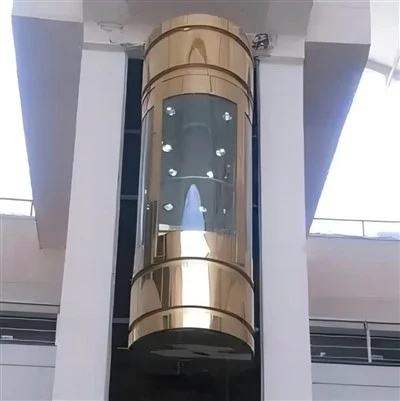
Hey there! As a supplier of Warehouse Elevator Lifts, I often get asked about how reliable these machines are. Well, let's dive right into it and break down the factors that determine the reliability of warehouse elevator lifts.
Understanding the Basics
First off, what exactly is a warehouse elevator lift? It's a specialized piece of equipment designed to move goods vertically within a warehouse or industrial setting. These lifts come in various types, including Commercial Freight Elevators, Hydraulic Cargo Lift Elevator, and Cabin Of A Small Freight Elevator. Each type has its own unique features and benefits, but they all share the common goal of efficiently transporting heavy loads.
Factors Affecting Reliability
Build Quality
One of the most important factors in determining the reliability of a warehouse elevator lift is its build quality. A well-built lift is constructed using high-quality materials and components that are designed to withstand the rigors of daily use. For example, the frame of the lift should be made of strong steel or aluminum that can support heavy loads without bending or warping. The cables, pulleys, and other moving parts should also be made of durable materials that are resistant to wear and tear.


Maintenance
Regular maintenance is crucial for ensuring the reliability of a warehouse elevator lift. Just like any other piece of machinery, lifts need to be inspected, lubricated, and serviced on a regular basis to prevent breakdowns and extend their lifespan. This includes checking the cables, brakes, and other safety features to make sure they are in good working condition. It's also important to follow the manufacturer's recommended maintenance schedule and use only genuine replacement parts.
Installation
Proper installation is another key factor in determining the reliability of a warehouse elevator lift. A lift that is installed incorrectly can cause a variety of problems, including uneven wear on the components, premature breakdowns, and safety hazards. That's why it's important to hire a professional installation team that has experience installing warehouse elevator lifts. They will ensure that the lift is installed according to the manufacturer's specifications and local building codes.
Usage
The way a warehouse elevator lift is used can also affect its reliability. Overloading the lift, for example, can put excessive stress on the components and cause them to wear out more quickly. It's important to follow the manufacturer's recommended weight limits and avoid overloading the lift. Additionally, using the lift in a rough or careless manner can also cause damage to the components and reduce its reliability.
Safety Features
In addition to build quality, maintenance, installation, and usage, the safety features of a warehouse elevator lift also play a crucial role in determining its reliability. A reliable lift should be equipped with a variety of safety features, such as emergency stop buttons, safety brakes, and overload protection. These features are designed to prevent accidents and protect the operators and the goods being transported.
Emergency Stop Buttons
Emergency stop buttons are located on the control panel of the lift and are used to immediately stop the lift in the event of an emergency. This can help prevent accidents and injuries by allowing the operator to quickly stop the lift if something goes wrong.
Safety Brakes
Safety brakes are designed to automatically stop the lift in the event of a cable break or other emergency. These brakes are typically located on the hoistway and are activated by a sensor that detects a sudden change in the speed or movement of the lift.
Overload Protection
Overload protection is a safety feature that prevents the lift from operating if it is overloaded. This helps prevent damage to the lift and reduces the risk of accidents. Overload protection can be implemented using a variety of methods, such as weight sensors or limit switches.
Our Experience as a Supplier
As a supplier of Warehouse Elevator Lifts, we have a lot of experience working with different types of lifts and customers. We understand the importance of reliability and safety, and we are committed to providing our customers with high-quality products and services.
We offer a wide range of warehouse elevator lifts, including Commercial Freight Elevators, Hydraulic Cargo Lift Elevator, and Cabin Of A Small Freight Elevator. All of our lifts are built using high-quality materials and components and are designed to meet the needs of our customers.
In addition to providing high-quality products, we also offer a comprehensive range of services, including installation, maintenance, and repair. Our team of experienced technicians is available 24/7 to provide support and assistance to our customers. We also offer a warranty on all of our products and services to give our customers peace of mind.
Conclusion
In conclusion, the reliability of a warehouse elevator lift depends on a variety of factors, including build quality, maintenance, installation, usage, and safety features. By choosing a well-built lift, following a regular maintenance schedule, hiring a professional installation team, using the lift correctly, and ensuring that it is equipped with the necessary safety features, you can ensure that your warehouse elevator lift will provide reliable service for many years to come.
If you're in the market for a warehouse elevator lift, I encourage you to contact us to learn more about our products and services. We'd be happy to answer any questions you may have and help you find the right lift for your needs.
References
- Manufacturer's manuals and specifications
- Industry standards and regulations
- Personal experience as a Warehouse Elevator Lift supplier