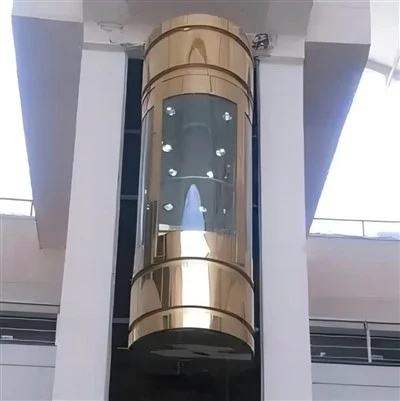
As a supplier of villa elevators, I understand the importance of a quiet and comfortable elevator experience in a luxurious villa environment. Noise from an elevator can be a significant nuisance, disturbing the tranquility of a home. In this blog, I'll share some effective ways to reduce the noise of a villa elevator, ensuring that your elevator operates smoothly and silently.
Understanding the Sources of Elevator Noise
Before we delve into the solutions, it's crucial to understand where the noise in a villa elevator comes from. The main sources of elevator noise include mechanical components, electrical systems, and the movement of the elevator car itself.
- Mechanical Components: The gears, pulleys, and bearings in the elevator's machinery are the primary sources of mechanical noise. As these components move and interact, they generate friction and vibration, which can be transmitted through the elevator shaft and into the living space.
- Electrical Systems: The elevator's electrical motors, controllers, and wiring can also produce noise. Electrical interference, such as electromagnetic radiation, can cause humming or buzzing sounds.
- Elevator Car Movement: The movement of the elevator car along the guide rails can create noise, especially if the rails are not properly aligned or lubricated. The air flow around the moving car can also generate wind noise.
Solutions to Reduce Elevator Noise
1. High - Quality Components Selection
- Premium Motors: When supplying villa elevators, we always recommend using high - quality motors. For example, permanent magnet synchronous motors (PMSMs) are known for their quiet operation. These motors have fewer moving parts compared to traditional induction motors, which reduces friction and vibration. They also operate at a lower speed, resulting in less noise generation.
- Precision Gears and Bearings: Opt for gears and bearings with high precision and low noise levels. High - grade materials and advanced manufacturing processes can minimize the wear and tear between these components, thus reducing noise. For instance, some bearings are designed with special lubricants and seals to reduce friction and noise.
2. Soundproofing the Elevator Shaft
- Insulation Materials: Install sound - absorbing insulation materials on the walls of the elevator shaft. Materials like fiberglass insulation, acoustic foam, or mineral wool can effectively absorb and dampen the sound waves generated by the elevator. These materials are installed between the shaft wall and a protective layer to prevent them from being damaged.
- Double - Wall Construction: Consider constructing a double - walled elevator shaft. The space between the two walls can be filled with insulation materials, which further enhances the soundproofing effect. This design can block the transmission of noise from the elevator shaft to the surrounding living areas.
3. Vibration Isolation
- Anti - Vibration Mounts: Place anti - vibration mounts between the elevator machinery and the building structure. These mounts are made of rubber or other elastic materials that can absorb and isolate the vibrations generated by the machinery. By reducing the transmission of vibrations to the building, the noise level in the living areas can be significantly reduced.
- Flexible Couplings: Use flexible couplings in the elevator's mechanical system. These couplings can compensate for misalignments between different components and reduce the transmission of vibrations. They act as a buffer, preventing the vibrations from spreading throughout the system.
4. Regular Maintenance
- Lubrication: Regularly lubricate the moving parts of the elevator, such as the gears, pulleys, and guide rails. Proper lubrication reduces friction between the components, which in turn reduces noise. Use high - quality lubricants that are specifically designed for elevator applications.
- Alignment Checks: Periodically check the alignment of the elevator's guide rails and other components. Misaligned components can cause the elevator car to move unevenly, generating additional noise. Ensure that all components are properly adjusted and tightened to maintain smooth operation.
5. Airflow Management
- Aerodynamic Design: Design the elevator car with an aerodynamic shape to reduce wind noise. A well - designed car can minimize the turbulence of the air flow around it as it moves up and down the shaft. For example, rounded edges and smooth surfaces can help reduce the noise caused by air resistance.
- Ventilation Systems: Install proper ventilation systems in the elevator shaft and car. These systems can help control the air pressure and reduce the noise caused by air movement. The ventilation ducts should be designed to minimize noise transmission while ensuring adequate air circulation.
Benefits of a Quiet Villa Elevator
- Enhanced Comfort: A quiet elevator provides a more comfortable living environment for villa residents. It allows them to enjoy the peace and tranquility of their home without being disturbed by the noise of the elevator.
- Increased Property Value: A well - functioning and quiet elevator can increase the value of a villa. Potential buyers or renters often consider the quality and comfort of the elevator when making a decision.
- Improved Safety: Reducing noise can also contribute to improved safety. When the elevator operates quietly, it is easier for passengers to hear any abnormal sounds or warnings, which can help prevent accidents.
Conclusion
Reducing the noise of a villa elevator is essential for providing a high - quality living experience. As a villa elevator supplier, we are committed to using the latest technologies and best practices to ensure that our elevators operate quietly and efficiently. By selecting high - quality components, implementing soundproofing measures, and performing regular maintenance, we can significantly reduce the noise level of villa elevators.

If you are interested in our Home Elevator Systems, Lift For Private Home or Hydraulic Lift For Villas, please feel free to contact us for more information and to discuss your specific requirements. We look forward to providing you with the best elevator solutions for your villa.

References
- "Elevator Technology Handbook" by Joseph J. Centofanti
- "Building Services Engineering" by John M. Crowley
- Industry whitepapers on elevator noise reduction published by leading elevator manufacturers.