Hey there! As a supplier of small freight elevators, I've seen firsthand how crucial it is to train operators properly. A well - trained operator not only ensures the smooth operation of the elevator but also enhances safety in the workplace. So, let's dive into how you can train operators to use a small freight elevator.
Pre - training Preparation
Before you start the actual training, there are a few things you need to take care of. First off, gather all the necessary documentation. This includes the elevator's user manual, safety guidelines, and maintenance schedules. The user manual is like a bible for the elevator. It has all the details about its features, how to operate it, and what to do in case of an emergency.
Next, set up a training area. If possible, use the actual elevator that the operators will be using. This gives them a real - world feel and makes the training more practical. Make sure the area is clear of any obstacles and that the elevator is in proper working condition. You don't want any technical glitches during the training session.
Introduction to the Elevator
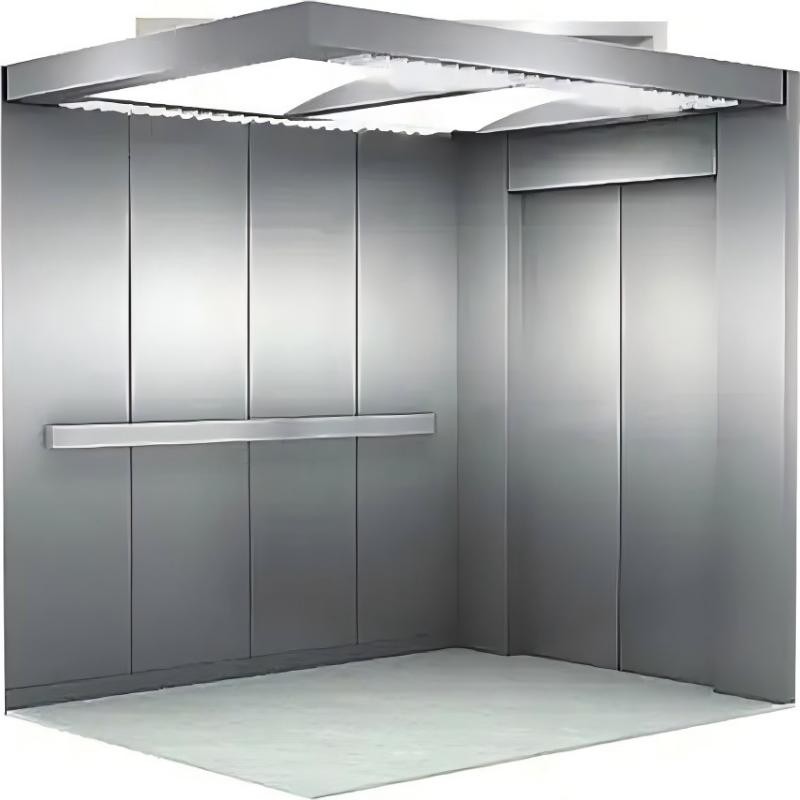
Once you've got everything ready, it's time to introduce the operators to the elevator. Start by giving them an overview of its features. Talk about the different types of small freight elevators we offer, like the Commercial Freight Elevator, Utility Elevator, and Traction Freight Elevator. Explain how each type is designed for specific purposes and how the one they'll be using fits into their work environment.
Show them the control panel. Point out the buttons for going up and down, the emergency stop button, and any other important controls. Explain what each button does and how to use them safely. For example, tell them that the emergency stop button should only be used in real emergencies, like if the elevator starts to malfunction or if there's a danger to people or goods inside.
Safety First
Safety is the number one priority when it comes to operating a small freight elevator. Spend a good amount of time on safety training. Teach the operators about the weight limits of the elevator. Overloading can cause serious problems, like the elevator getting stuck or even breaking down. Make sure they understand how to calculate the weight of the goods they're loading and how to stay within the limits.
Show them the safety devices on the elevator, such as the door interlocks and the overload protection system. Explain how these devices work to keep them safe. For instance, the door interlocks prevent the elevator from moving if the doors are not properly closed. This helps to avoid accidents where people or goods could fall out of the elevator.
Also, teach them about proper loading and unloading procedures. They should load the goods evenly to prevent the elevator from tipping or becoming unbalanced. When unloading, they should be careful not to let the goods fall or damage the elevator.
Hands - on Training
After the theoretical part, it's time for some hands - on training. Let the operators take turns operating the elevator under your supervision. Start with simple tasks, like moving the elevator up and down a few floors. Give them feedback on their performance, and correct any mistakes they make.
As they get more comfortable, gradually increase the complexity of the tasks. For example, have them load and unload different types of goods, or have them operate the elevator in a timed scenario to simulate a busy work environment.
During the hands - on training, make sure they follow all the safety procedures you've taught them. If they forget something, remind them immediately. This is the time for them to practice and build their confidence in operating the elevator.
Emergency Procedures
No training is complete without covering emergency procedures. Teach the operators what to do in case of a power failure, an elevator malfunction, or a fire. For example, in case of a power failure, they should stay calm and use the emergency communication device (usually a phone or an alarm button) to call for help.
Show them how to use the evacuation procedures if necessary. Explain that in most cases, it's best to wait for professional help rather than trying to open the elevator doors on their own. This can be dangerous, as they could fall into the elevator shaft or get stuck between floors.
Regular Refresher Training
Training doesn't stop after the initial session. It's important to provide regular refresher training to keep the operators' skills up - to - date. This can be done every few months or at least once a year.
During the refresher training, go over the key points of the initial training, such as safety procedures and operating techniques. You can also introduce any new features or updates to the elevator. This helps to reinforce the knowledge and skills of the operators and ensures that they continue to operate the elevator safely and efficiently.
Record - keeping
Keep records of all the training sessions. This includes the names of the operators, the date of the training, and what was covered in the training. These records can be useful for several reasons. First, they can be used to prove that the operators have received proper training in case of an accident or an inspection. Second, they can help you track the progress of the operators and identify any areas where they may need additional training.
Conclusion
Training operators to use a small freight elevator is a process that requires time, effort, and attention to detail. By following these steps, you can ensure that your operators are well - trained and able to operate the elevator safely and efficiently.
If you're in the market for a small freight elevator or need more information about our training programs, don't hesitate to reach out. We're here to help you make the best choice for your business. Whether you're looking for a Commercial Freight Elevator, Utility Elevator, or Traction Freight Elevator, we've got you covered. Let's start a conversation about how we can meet your needs.
References
- Elevator Manufacturer's User Manuals
- Industry Safety Standards and Guidelines