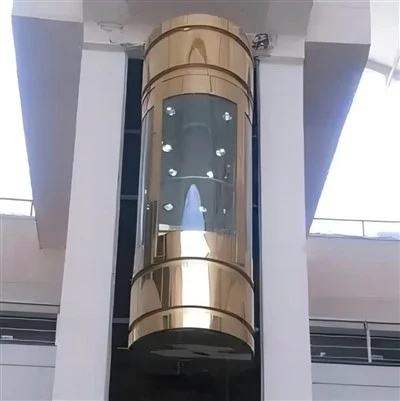
As a supplier of Electric Passenger Lifts, I understand the importance of ensuring these essential pieces of equipment operate smoothly. Electric passenger lifts are complex systems, and like any machinery, they can encounter issues from time to time. In this blog, I'll share some practical steps on how to troubleshoot an electric passenger lift effectively.
Pre - troubleshooting Checks
Before diving into the technical details, it's crucial to perform some basic checks. First, visually inspect the lift for any obvious signs of damage. Look at the exterior of the lift car, the doors, and the hoistway. Check for loose wires, broken components, or any debris that might be obstructing the movement of the lift.


Verify the power supply. Ensure that the lift is properly connected to a stable power source. A power outage or a tripped circuit breaker can often be the root cause of a lift malfunction. Check the electrical panel associated with the lift and reset any tripped breakers if necessary.
Examine the control panel inside the lift car. Look for any error codes or warning lights. These can provide valuable clues about what might be going wrong. Some modern electric passenger lifts are equipped with advanced diagnostic systems that can display detailed error messages, which can significantly narrow down the problem area.
Door - related Issues
One of the most common problems in electric passenger lifts is door malfunctions. If the doors fail to open or close properly, it can be a major inconvenience and a safety hazard.
First, check for any obstructions in the door tracks. Small objects like keys, coins, or pieces of paper can get stuck in the tracks and prevent the doors from moving smoothly. Use a flashlight to inspect the tracks thoroughly and remove any debris you find.
Next, examine the door sensors. Most modern lifts are equipped with safety sensors that detect objects in the path of the doors. If these sensors are dirty or misaligned, they may cause the doors to behave erratically. Clean the sensors gently with a soft, dry cloth and check their alignment. If the sensors are misaligned, they may need to be adjusted by a professional technician.
If the doors still don't function correctly after these checks, there could be an issue with the door motor or the control system. In such cases, it's best to contact a qualified lift technician for further diagnosis and repair.
Communication Problems
Good communication is essential in an electric passenger lift. If the intercom system or the call buttons are not working, passengers may feel isolated and unsafe.
For the intercom system, start by checking the connections. Ensure that all the wires are properly plugged in and there are no loose connections. Test the microphone and speaker by speaking into the intercom and listening for the response. If the sound is distorted or there is no sound at all, the microphone or speaker may be faulty and need to be replaced.
When it comes to the call buttons, check if they are physically damaged. Sometimes, the buttons can get stuck or break due to heavy use. If a button is stuck, try gently pressing it a few times to see if it releases. If the button is broken, it will need to be replaced.
If the communication problems persist, it could be an issue with the control board or the communication network. This is a more complex problem that requires the expertise of a professional lift technician.
Movement and Leveling Issues
If the lift is not moving smoothly or is not leveling correctly at each floor, it can be a sign of a more serious problem.
First, check the guide rails. The guide rails are responsible for keeping the lift car in alignment as it moves up and down. Inspect the rails for any signs of damage, such as scratches, dents, or corrosion. If the guide rails are damaged, they may need to be repaired or replaced.
Next, examine the counterweights. The counterweights help balance the lift car and reduce the amount of energy required to move it. If the counterweights are not properly adjusted or if they are damaged, it can affect the lift's movement. Check the counterweights for any signs of wear or damage and ensure that they are properly attached.
Leveling issues can also be caused by problems with the leveling sensors. These sensors are responsible for detecting the position of the lift car at each floor and ensuring that it stops at the correct level. Clean the sensors and check their alignment. If the sensors are not working correctly, they may need to be replaced.
Overheating and Electrical Issues
Overheating can be a serious problem in an electric passenger lift. It can damage the electrical components and pose a fire hazard.
Check the ventilation system. The lift machine room should have proper ventilation to dissipate heat. Ensure that the vents are not blocked and that the fans are working correctly. If the ventilation is inadequate, it may need to be improved.
Inspect the electrical components for signs of overheating, such as burning smells or discolored wires. If you notice any of these signs, turn off the power to the lift immediately and contact a professional technician. Electrical issues can be extremely dangerous and should only be handled by qualified personnel.
Using Advanced Technologies for Troubleshooting
In addition to the traditional troubleshooting methods, many modern electric passenger lifts are equipped with advanced technologies that can simplify the troubleshooting process.
Remote monitoring systems allow lift technicians to access the lift's diagnostic data from a remote location. This can save time and money by enabling technicians to identify problems quickly and determine the best course of action without having to visit the site immediately.
Some lifts also use predictive maintenance technologies. These technologies analyze the lift's performance data over time to predict when components are likely to fail. By replacing components before they fail, you can prevent unexpected breakdowns and reduce maintenance costs.
When to Call a Professional
While some minor lift issues can be resolved through basic troubleshooting, there are situations where it's essential to call a professional lift technician. If you encounter any of the following problems, do not attempt to fix them yourself:
- Electrical short circuits or other serious electrical problems.
- Hydraulic system failures (if the lift is a hydraulic type).
- Structural damage to the lift car or the hoistway.
- Complex control system malfunctions.
Professional lift technicians have the training, experience, and tools necessary to handle these complex problems safely and effectively.
Conclusion
Troubleshooting an electric passenger lift requires a systematic approach and a basic understanding of how the lift works. By performing regular pre - troubleshooting checks, addressing common issues such as door malfunctions and communication problems, and knowing when to call a professional, you can ensure that your lift operates smoothly and safely.
If you're interested in our Vacuum Passenger Lift, Temporary Passenger Elevators, or want to learn more about the Passenger Compartment Of Elevator, we're here to assist you. Whether you need a new lift installation, maintenance, or troubleshooting services, we have the expertise and resources to meet your needs. Contact us today to start a detailed discussion about your requirements and explore how we can provide the best solutions for your elevator needs.
References
- "Elevator Maintenance and Troubleshooting Guide" - Industry standard handbook on elevator maintenance.
- Manufacturer's manuals for various electric passenger lift models.