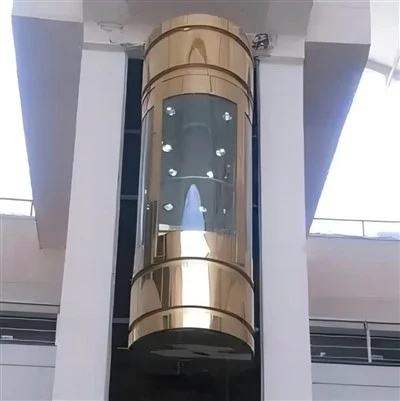
Hey there! As a supplier of hospital stretcher lifts, I've seen my fair share of issues with these essential pieces of equipment. In this blog, I'm gonna share some tips on how to troubleshoot common problems with a hospital stretcher lift.
Power - related Problems
One of the most common issues you might run into is power problems. If your stretcher lift isn't turning on, the first thing to check is the power source. Make sure the lift is properly plugged into a working outlet. Sometimes, the plug might have come loose, so give it a gentle tug to ensure it's securely in place.
If the outlet seems fine, check the circuit breaker. A tripped breaker can cut off power to the lift. Head over to your electrical panel and look for the breaker that corresponds to the area where the stretcher lift is located. If it's tripped, switch it back to the “on” position.
Another thing to consider is the power cord itself. Over time, cords can get damaged, especially if they're constantly being moved around. Look for any signs of fraying or cuts on the cord. If you find any, it's best to replace the cord as soon as possible to avoid any electrical hazards.
Door Malfunctions
The doors of a hospital stretcher lift are crucial for safety and proper operation. If the doors aren't opening or closing correctly, it can be a major headache. First, check for any obstructions in the door tracks. Sometimes, small objects like paper or debris can get stuck in the tracks and prevent the doors from moving smoothly. Use a soft brush or a vacuum cleaner to remove any dirt or debris from the tracks.
If the doors are still having issues, there might be a problem with the door sensors. These sensors are designed to detect if there's an object in the way of the doors and prevent them from closing. Check to see if the sensors are clean and free of any dirt or grime. You can use a soft, dry cloth to wipe them down. If the sensors are damaged, they'll need to be replaced by a professional.
Hydraulic System Issues
Many hospital stretcher lifts use a hydraulic system to raise and lower the platform. If you notice that the lift is moving slowly or not at all, it could be a problem with the hydraulic system. First, check the hydraulic fluid level. The fluid should be at the appropriate level as indicated in the lift's manual. If the fluid is low, you'll need to add more. Make sure to use the type of hydraulic fluid recommended by the manufacturer.
Leaks are another common issue with hydraulic systems. Look for any signs of fluid leakage around the hydraulic cylinders or hoses. If you find a leak, it's important to address it immediately. Small leaks can often be fixed by tightening the connections, but larger leaks might require the replacement of a damaged hose or cylinder.
Control Panel Problems
The control panel is how you operate the stretcher lift, so any issues with it can be a real pain. If the buttons on the control panel aren't working, first check to see if there's any damage to the panel itself. Sometimes, a button might be stuck or broken. If a button is stuck, try gently pressing it a few times to see if it will free up. If a button is broken, it will need to be replaced.
If the entire control panel seems to be malfunctioning, there could be an electrical problem. Check the wiring connections behind the panel to make sure they're secure. If you're not comfortable working with electrical wiring, it's best to call in a professional.
Overheating
Overheating can be a serious problem for a hospital stretcher lift. If the lift is overheating, it could be due to a number of reasons. First, check the ventilation system. Make sure that the vents are not blocked by any objects. Proper ventilation is essential for keeping the lift cool during operation.
If the lift is still overheating, there might be a problem with the motor. The motor can overheat if it's working too hard or if there's a problem with the cooling system. Check the motor for any signs of damage or excessive wear. If you suspect a problem with the motor, it's best to have it inspected by a professional.
Noise and Vibrations
Unusual noises and vibrations can be a sign that something is wrong with the stretcher lift. If you hear a grinding or squealing noise, it could be due to worn - out bearings. Bearings are used to reduce friction in the moving parts of the lift. If they're worn out, they'll need to be replaced.
Vibrations can also be a sign of a problem. Check the lift's mounting to make sure it's secure. Loose mounting can cause the lift to vibrate during operation. If the mounting is loose, tighten the bolts or screws as necessary.
When to Call a Professional
While some of these troubleshooting tips can help you fix minor issues with a hospital stretcher lift, there are times when it's best to call in a professional. If you're not comfortable working with electrical systems, hydraulic systems, or if you're unsure about how to fix a problem, it's better to err on the side of caution and call a professional technician.
At our company, we offer a wide range of hospital elevator solutions, including Hospital Bed Elevator, Hospital Freight Elevator, and Observation Elevator. If you're in the market for a new hospital stretcher lift or need help with troubleshooting your existing lift, we're here to assist you. Just reach out to us, and we'll be happy to discuss your needs and provide you with the best solutions.
In conclusion, troubleshooting common problems with a hospital stretcher lift can be a bit of a challenge, but with a little knowledge and some basic tools, you can often fix minor issues on your own. However, for more complex problems, it's always best to seek the help of a professional.

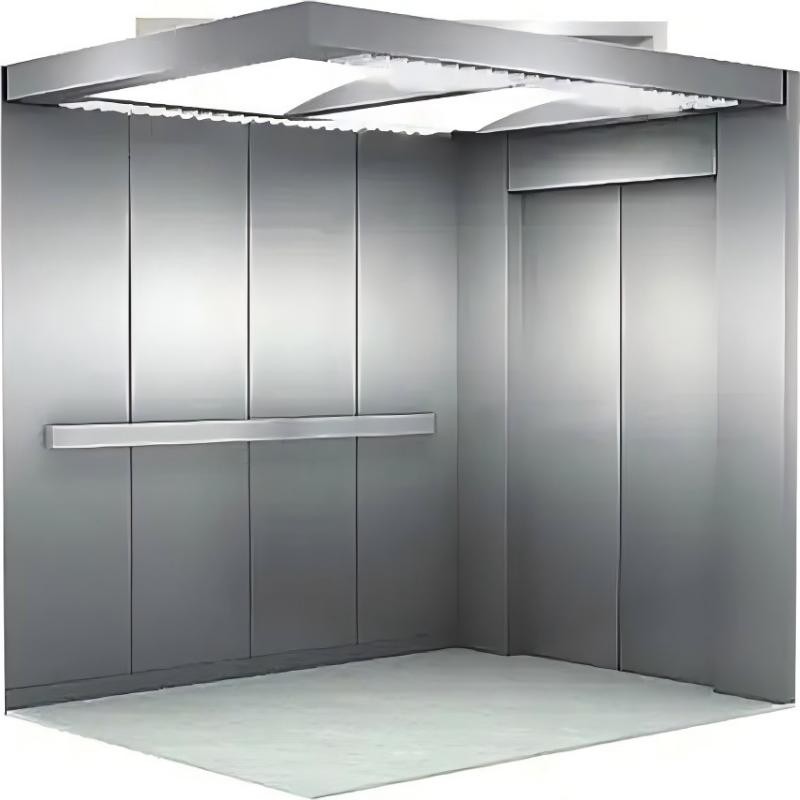
References
- Manufacturer's manuals for hospital stretcher lifts
- Industry best practices for elevator maintenance and troubleshooting