As a supplier of hospital stretcher lifts, I often get asked about the power requirements for these essential pieces of equipment. In this blog post, I'll break down everything you need to know about the power needs of hospital stretcher lifts, so you can make an informed decision when it comes to purchasing or maintaining these devices.
First off, it's important to understand that the power requirements for a hospital stretcher lift can vary quite a bit depending on several factors. These include the size and weight capacity of the lift, the type of motor it uses, and the frequency of use.
Let's start with the size and weight capacity. Larger stretcher lifts that are designed to carry heavier loads will generally require more power. This is because they need a stronger motor to lift and lower the stretcher safely. For example, a small, lightweight stretcher lift with a capacity of around 500 pounds might only need a relatively small electric motor, which could run on a standard 120 - volt electrical outlet. On the other hand, a heavy - duty stretcher lift with a capacity of 1500 pounds or more will likely need a more powerful motor, and it might require a 240 - volt electrical supply.
The type of motor is another crucial factor. There are two main types of motors used in hospital stretcher lifts: AC (alternating current) and DC (direct current). AC motors are more commonly used in larger, commercial - grade stretcher lifts. They are known for their reliability and high power output. However, they also tend to consume more electricity. DC motors, on the other hand, are often used in smaller, battery - powered or portable stretcher lifts. They are more energy - efficient and can be powered by rechargeable batteries. This makes them a great option for situations where access to a power outlet is limited, such as in emergency situations or in areas of the hospital that are undergoing renovation.
The frequency of use also plays a role in determining the power requirements. If a stretcher lift is used frequently throughout the day, it will need to be able to handle the continuous demand for power. This might mean that a more powerful motor or a larger battery capacity is required. For example, in a busy emergency department where the stretcher lift is in constant use, a high - power AC motor with a reliable power supply is essential to ensure that the lift can operate smoothly and safely at all times.
Now, let's talk about the implications of these power requirements for hospital administrators and facility managers. Ensuring that your hospital has the appropriate electrical infrastructure to support the stretcher lifts is crucial. This might involve having an electrician assess the electrical system and make any necessary upgrades. For example, if you're planning to install a new heavy - duty stretcher lift that requires a 240 - volt supply, you'll need to make sure that your hospital's electrical panel can handle the additional load.

Another consideration is the cost of power consumption. High - power motors can lead to higher electricity bills. This is something that hospitals need to factor into their budget. One way to reduce power consumption is to choose energy - efficient models. As I mentioned earlier, DC motors are generally more energy - efficient than AC motors. Additionally, some modern stretcher lifts come with features like automatic shut - off when not in use, which can help save energy.
When it comes to choosing a hospital stretcher lift, it's also important to consider the overall power management system. Some lifts are designed to work in conjunction with a hospital's existing power grid management system. This can help optimize power usage and ensure that the lift operates in a way that is both efficient and cost - effective.
In addition to the stretcher lifts themselves, hospitals also need to think about the power requirements for related equipment. For example, if the stretcher lift is part of a larger system that includes lighting, control panels, and other accessories, these will also contribute to the overall power demand.
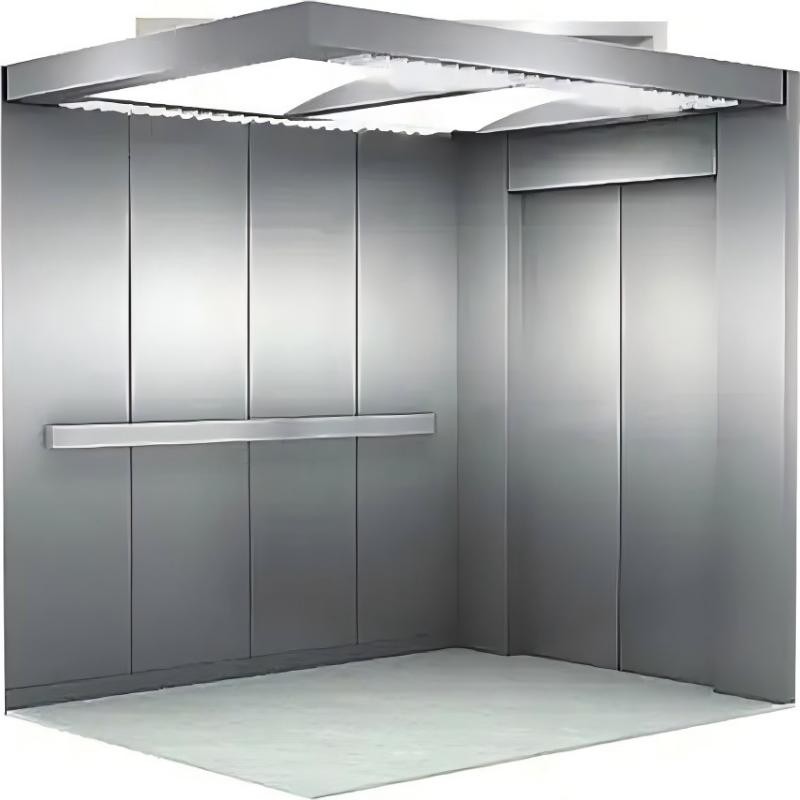
Now, I want to briefly mention some of the other types of hospital elevators that we offer. We have a range of Hospital Pattern Elevator that are designed to meet the specific needs of hospitals, including smooth operation, quiet performance, and easy access for stretchers and patients. Our Hospital Freight Elevator are built to handle heavy loads of medical supplies, equipment, and even patient transport in some cases. And of course, our Elevator for Hospital are designed with the highest standards of safety and reliability in mind.
If you're in the market for a hospital stretcher lift or any other type of hospital elevator, I encourage you to get in touch with us. We can provide you with detailed information about the power requirements of our products, as well as help you choose the right lift for your specific needs. Our team of experts is always ready to assist you in making an informed decision and ensuring that your hospital has the best possible equipment. Whether you're looking for a small, portable stretcher lift or a large, commercial - grade elevator, we have the solutions you need.
In conclusion, understanding the power requirements for a hospital stretcher lift is essential for ensuring the safe and efficient operation of these important devices. By considering factors such as size, weight capacity, motor type, and frequency of use, you can make the right choice for your hospital. And if you have any questions or need further assistance, don't hesitate to reach out. We're here to help you provide the best care for your patients.
References
- Electrical Engineering for Hospitals: A Practical Guide. This book provides in - depth information about the electrical systems in hospitals, including power requirements for various equipment.
- Hospital Equipment Standards and Specifications. This industry - standard guide outlines the requirements for hospital equipment, including stretcher lifts and their power needs.