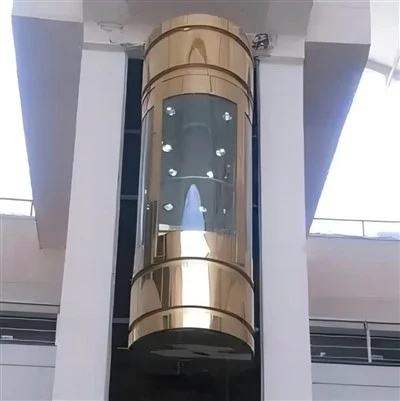
Alright, folks! I'm an industry insider and a provider of passenger elevators. Today, I'm gonna break down the ventilation requirements for passenger elevators. It's a topic that might seem a bit technical at first, but it's super important for the comfort and safety of elevator users.
Why Ventilation Matters
First off, let's talk about why proper ventilation is such a big deal. When you're in an enclosed space like an elevator, fresh air is essential. Without good ventilation, the inside of the elevator can quickly become stuffy. You know that feeling when you step into a room that just feels hot and close? That's what it's like in an elevator without proper airflow.
Stuffy air can cause a whole host of problems. For starters, it can make people feel uncomfortable. No one wants to be stuck in a hot, stuffy elevator, especially during a long ride. It can also lead to a buildup of carbon dioxide. When we breathe, we exhale carbon dioxide, and if that gas isn't removed from the elevator, the levels can rise. High carbon dioxide levels can make people feel dizzy, tired, or even have headaches.
Another reason ventilation is crucial is for controlling temperature and humidity. An elevator car can get pretty warm, especially if there are a lot of people inside or if the elevator machinery is generating heat. Proper ventilation helps to keep the temperature at a comfortable level and can also prevent humidity from building up. Humid air can make the elevator feel even more uncomfortable and can also cause damage to the elevator's components over time.
Ventilation Standards and Regulations
There are specific standards and regulations in place when it comes to elevator ventilation. These standards are designed to ensure that elevators are safe and comfortable for passengers. Different countries and regions might have slightly different regulations, but they generally cover the same basic principles.
One common requirement is the amount of fresh air that needs to be supplied to the elevator car. In many places, the standard is to provide a certain amount of cubic feet per minute (CFM) of fresh air for each passenger. This helps to ensure that there's enough fresh air circulating to keep the air quality good.
The ventilation system also needs to be able to remove stale air from the elevator car. This means that there should be proper exhaust vents in place. These vents work to suck out the warm, stuffy air and replace it with fresh, cool air.
Components of a Good Ventilation System
A good ventilation system for a passenger elevator has a few key components. First, there's the air intake. This is where fresh air gets drawn into the elevator car. The air intake should be located in a place where it can easily access clean, fresh air. It's often placed on the top of the elevator car or in a location where it won't be blocked by debris or other objects.
Next, there's the fan. The fan is what moves the air through the ventilation system. It needs to be powerful enough to draw in the required amount of fresh air and push out the stale air. The size and power of the fan will depend on the size of the elevator car and the number of passengers it's designed to carry.
Then, there are the ducts. The ducts are like the hallway for the air. They carry the fresh air from the intake to the elevator car and the stale air from the car to the exhaust vent. The ducts need to be properly sealed to prevent air leaks. If there are leaks in the ducts, the ventilation system won't work as efficiently.
Types of Elevators and Their Ventilation Needs
We offer different types of passenger elevators, and each one has its own unique ventilation requirements.


-
Silent Passenger Elevator: You can check out our Silent Passenger Elevator on our website. These elevators are designed to be quiet, which is great for places like hospitals, hotels, and office buildings where noise can be a problem. The ventilation system for a silent passenger elevator needs to be designed in a way that doesn't add to the noise. Special fans and insulated ducts are often used to keep the noise down while still providing good ventilation.
-
Machine Room Passenger Elevator: Our Machine Room Passenger Elevator has a separate machine room where the elevator machinery is located. This machine room also needs proper ventilation. The machinery generates heat, and if the heat isn't removed, it can cause the equipment to overheat and break down. The ventilation in the machine room helps to keep the machinery at a safe operating temperature.
-
Electric Passenger Lift: Take a look at our Electric Passenger Lift. These elevators are powered by electricity, and the electrical components also generate heat. The ventilation system in an electric passenger lift needs to be able to dissipate this heat and keep the air inside the car fresh.
Maintenance of the Ventilation System
Just having a good ventilation system isn't enough. It also needs to be properly maintained. Regular maintenance helps to ensure that the ventilation system is working efficiently and that it's providing the right amount of fresh air.
One important part of maintenance is cleaning the air intake and exhaust vents. Over time, these vents can get blocked with dust, dirt, and debris. When the vents are blocked, the airflow is restricted, and the ventilation system won't work as well. Cleaning the vents regularly helps to keep the airflow smooth.
The fan also needs to be checked and maintained. The fan blades can get dirty, and the motor can wear out over time. Regular inspections can help to catch any problems early and prevent breakdowns.
Conclusion
So, there you have it, folks! The ventilation requirements for passenger elevators are an important part of making sure that elevators are safe and comfortable for everyone. Whether you're in a silent passenger elevator, a machine room passenger elevator, or an electric passenger lift, proper ventilation is key.
If you're in the market for a passenger elevator or need to upgrade your existing elevator's ventilation system, we're here to help. We've got the expertise and the high - quality products to meet your needs. Don't hesitate to reach out for a consultation and let's work together to find the perfect solution for your project.
References
- ASME A17.1 Safety Code for Elevators and Escalators
- NFPA 101 Life Safety Code