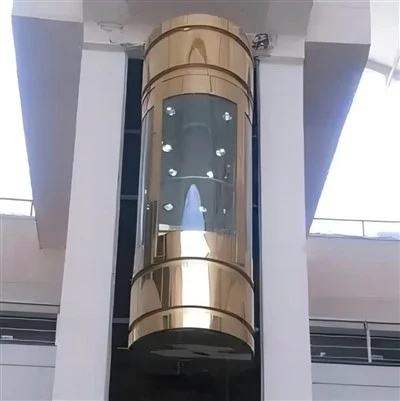
As a supplier of observation elevators, I've always been intrigued by the various aspects that contribute to the overall experience of using these remarkable vertical transportation systems. One aspect that often goes unnoticed but is of utmost importance is the air quality inside an observation elevator. In this blog, we'll delve into what the air quality inside an observation elevator is like, the factors that affect it, and why it matters.
Understanding Air Quality in Observation Elevators
Air quality refers to the condition of the air within a specific environment. In the context of an observation elevator, it encompasses the presence of pollutants, the level of humidity, and the concentration of oxygen. A well - ventilated and clean elevator cabin provides a comfortable and healthy experience for passengers.
Observation elevators are often installed in high - rise buildings, shopping malls, and tourist attractions, where they carry a large number of passengers throughout the day. The air inside these elevators can be influenced by several factors.
Factors Affecting Air Quality
Occupancy
The number of people inside the elevator has a direct impact on air quality. When an elevator is crowded, the level of carbon dioxide (CO₂) increases. Humans exhale CO₂, and in a confined space like an elevator, the concentration can rise rapidly. High levels of CO₂ can cause drowsiness, headaches, and a general feeling of discomfort. For instance, if an elevator designed for a maximum capacity of 20 people is filled to its limit, the CO₂ levels can spike within a few minutes.


External Environment
The air outside the building where the observation elevator is installed also plays a crucial role. If the building is located in an area with high levels of air pollution, such as near a busy road or an industrial zone, pollutants like particulate matter (PM), nitrogen oxides (NOₓ), and sulfur dioxide (SO₂) can enter the elevator through the ventilation system. These pollutants can cause respiratory problems, especially for people with pre - existing conditions like asthma or allergies.
Ventilation System
The ventilation system of an observation elevator is the key to maintaining good air quality. A well - designed ventilation system should be able to exchange the air inside the elevator cabin with fresh air from the outside at regular intervals. It should also be equipped with filters to remove pollutants and allergens. However, if the ventilation system is not properly maintained, it can become a source of problems. For example, dirty filters can reduce the efficiency of the system, allowing pollutants to accumulate inside the elevator.
Interior Materials
The materials used in the construction of the elevator cabin can also affect air quality. Some materials may release volatile organic compounds (VOCs). These are chemicals that can vaporize at room temperature and can cause a variety of health problems, including eye, nose, and throat irritation, headaches, and damage to the liver, kidneys, and central nervous system. For example, certain types of paints, adhesives, and plastics used in the elevator interior may emit VOCs.
Measuring Air Quality in Observation Elevators
To ensure that the air quality inside an observation elevator meets the required standards, it is necessary to measure it regularly. There are several parameters that are commonly measured:
- Carbon Dioxide (CO₂): As mentioned earlier, high levels of CO₂ can indicate poor ventilation. The acceptable level of CO₂ in an enclosed space is typically around 1000 parts per million (ppm). Levels above this can lead to discomfort for passengers.
- Particulate Matter (PM): PM refers to tiny particles in the air, such as dust, smoke, and pollen. The most commonly measured sizes are PM2.5 (particles with a diameter of 2.5 micrometers or less) and PM10 (particles with a diameter of 10 micrometers or less). High levels of PM can cause respiratory problems.
- Volatile Organic Compounds (VOCs): Measuring the concentration of VOCs can help identify if the interior materials of the elevator are releasing harmful chemicals.
Importance of Good Air Quality
Good air quality inside an observation elevator is not just about comfort; it also has significant implications for the health and safety of passengers.
- Health Benefits: Clean air reduces the risk of respiratory infections, allergies, and other health problems. Passengers are more likely to have a positive experience when they are breathing fresh, clean air.
- Customer Satisfaction: In commercial buildings and tourist attractions, the quality of the elevator experience can influence customer satisfaction. A well - ventilated elevator with good air quality can enhance the overall impression of the building and the services it offers.
- Legal Requirements: Many countries and regions have regulations regarding air quality in public spaces, including elevators. Ensuring compliance with these regulations is essential to avoid legal issues.
Improving Air Quality in Observation Elevators
As an observation elevator supplier, we are committed to providing solutions to improve air quality. Here are some measures that can be taken:
- Upgrading Ventilation Systems: Installing high - efficiency ventilation systems with advanced filters can significantly improve air quality. These systems can be designed to adapt to the occupancy and external air conditions.
- Using Low - VOC Materials: When constructing or renovating elevator cabins, we recommend using low - VOC materials to minimize the release of harmful chemicals.
- Regular Maintenance: Regularly maintaining the ventilation system, including cleaning and replacing filters, is crucial. This ensures that the system operates at its optimal level.
In addition to our observation elevators, we also offer a range of Hospital Pattern Lift, Hospital Bed Elevator, and Hospital Lift solutions. These elevators are designed with special considerations for the healthcare environment, including air quality control.
If you are interested in our products and want to discuss your specific requirements, we encourage you to reach out to us for a procurement negotiation. We are dedicated to providing high - quality elevator solutions that meet your needs and exceed your expectations.
References
- World Health Organization. (2021). Guidelines on indoor air quality: selected pollutants.
- American Society of Heating, Refrigerating and Air - Conditioning Engineers (ASHRAE). (2020). Ventilation for acceptable indoor air quality.
- Environmental Protection Agency (EPA). (2022). Indoor air quality guide for building owners and facility managers.