What is the anti - overloading protection of a warehouse elevator lift?
As a supplier of Warehouse Elevator Lifts, I've witnessed firsthand the critical role that anti - overloading protection plays in the safe and efficient operation of these essential pieces of equipment. In a warehouse setting, elevator lifts are constantly in use to move heavy loads from one level to another. Without proper anti - overloading protection, the consequences can be severe, including equipment damage, accidents, and even loss of life.
Understanding the Basics of Anti - Overloading Protection
Anti - overloading protection is a set of mechanisms and systems designed to prevent a warehouse elevator lift from carrying more weight than it is designed to handle. Every elevator lift has a specified maximum load capacity, which is determined by factors such as the strength of its structural components, the power of its motor, and the design of its safety features. When the load exceeds this capacity, the elevator is at risk of malfunctioning, which can lead to catastrophic failures.
There are several types of anti - overloading protection systems commonly used in warehouse elevator lifts. One of the most basic is the mechanical overload switch. This switch is typically located within the elevator's hoistway or on the motor. It is designed to detect when the load on the elevator exceeds a pre - set limit. When this occurs, the switch will trigger, causing the elevator to stop moving and preventing it from further operation until the excess load is removed.
Another important component of anti - overloading protection is the load - weighing system. These systems use sensors to measure the weight of the load inside the elevator cabin. The sensors are usually placed on the floor of the cabin or on the suspension cables. The data collected by the sensors is then sent to a control unit, which compares the measured weight with the elevator's maximum load capacity. If the load exceeds the limit, the control unit will activate the safety mechanisms, such as stopping the elevator and sounding an alarm.
Importance of Anti - Overloading Protection in Warehouse Operations
In a warehouse environment, where time is money and productivity is key, it might be tempting to push the limits of the elevator lift's capacity. However, this is a dangerous practice that can have far - reaching consequences.
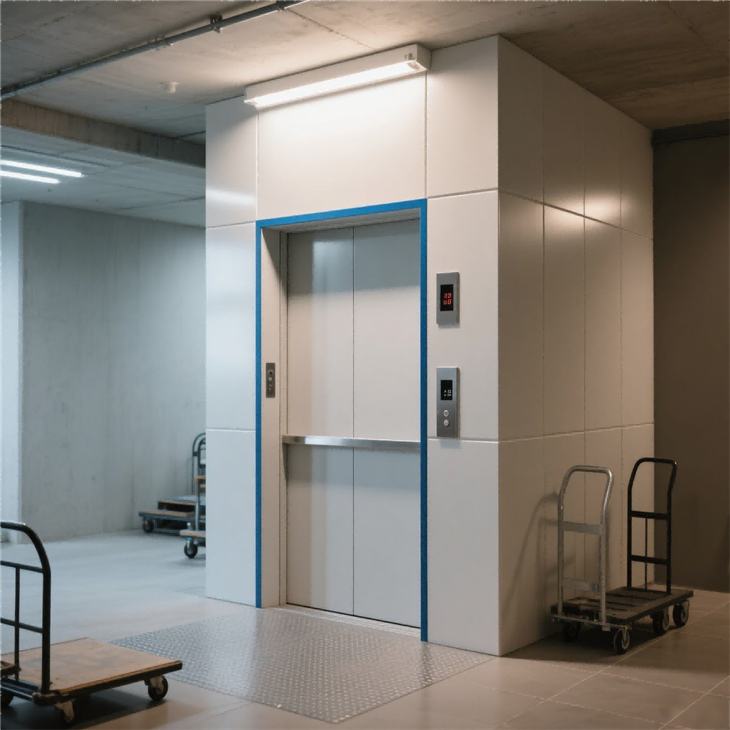

Firstly, overloading an elevator lift can cause significant damage to the equipment itself. The excessive weight can put stress on the structural components, such as the cables, pulleys, and guide rails. Over time, this can lead to wear and tear, reducing the lifespan of the elevator and increasing the likelihood of breakdowns. Repairing or replacing damaged elevator parts can be costly and time - consuming, resulting in downtime and lost productivity for the warehouse.
Secondly, overloading an elevator lift poses a serious safety risk to the operators and other workers in the vicinity. An overloaded elevator is more likely to experience sudden stops, jerks, or even free - falls. These incidents can cause injuries to the people inside the elevator, as well as those in the hoistway or on the floors above and below. In extreme cases, overloading can lead to the collapse of the elevator, which can have fatal consequences.
Advanced Anti - Overloading Technologies
In recent years, there have been significant advancements in anti - overloading protection technologies for warehouse elevator lifts. One such advancement is the use of smart sensors and artificial intelligence. These smart sensors can provide real - time data on the load, as well as other factors such as the distribution of the weight within the cabin. The artificial intelligence algorithms can analyze this data to make more accurate decisions about when to activate the anti - overloading protection.
For example, some advanced systems can detect if the load is unevenly distributed, which can also pose a risk to the elevator's stability. If an uneven load is detected, the system can either prevent the elevator from starting or prompt the operator to redistribute the load.
Another innovation is the integration of anti - overloading protection with the warehouse management system. This allows the warehouse managers to monitor the load on each elevator lift in real - time. They can set up alerts to notify them when an elevator is approaching its maximum capacity, enabling them to take proactive measures to prevent overloading.
Choosing the Right Anti - Overloading Protection for Your Warehouse Elevator Lift
When selecting a warehouse elevator lift, it is crucial to consider the quality and effectiveness of its anti - overloading protection system. As a supplier, I always recommend that my customers look for elevators with multiple layers of protection. A combination of mechanical overload switches, load - weighing systems, and advanced technologies can provide the highest level of safety.
It is also important to ensure that the anti - overloading protection system is regularly maintained and calibrated. Over time, the sensors and switches can become less accurate, which can compromise the effectiveness of the protection. Regular maintenance and calibration can help to ensure that the system is working properly and that the elevator is operating safely.
Related Products and Their Role in Anti - Overloading
When it comes to warehouse operations, different types of elevator lifts and related products play a role in the overall anti - overloading strategy. For example, the Apartment Freight Elevator is designed to handle specific load capacities in a multi - story building environment. Although it may not be directly used in a warehouse, the principles of anti - overloading protection are similar.
The Warehouse Elevator Lift is specifically tailored for the heavy - duty requirements of a warehouse. It is built with robust anti - overloading protection systems to ensure the safe movement of large and heavy loads.
The Cabin Of A Small Freight Elevator also contributes to the anti - overloading concept. A well - designed cabin can help in evenly distributing the load, which is an important aspect of preventing overloading - related issues.
Conclusion and Call to Action
In conclusion, anti - overloading protection is an essential feature of any warehouse elevator lift. It not only protects the equipment from damage but also ensures the safety of the workers and the smooth operation of the warehouse. As a supplier of Warehouse Elevator Lifts, I am committed to providing high - quality products with reliable anti - overloading protection systems.
If you are in the market for a new warehouse elevator lift or need to upgrade your existing anti - overloading protection system, I encourage you to reach out to us. We have a team of experts who can help you choose the right elevator and customize the anti - overloading protection to meet your specific needs. Let's work together to ensure the safety and efficiency of your warehouse operations.
References
- Elevator Safety Standards Handbook, American Society of Mechanical Engineers (ASME)
- Warehouse Equipment and Safety Guidelines, Occupational Safety and Health Administration (OSHA)
- Advances in Elevator Technology Research Journal, International Association of Elevator Engineers (IAEE)