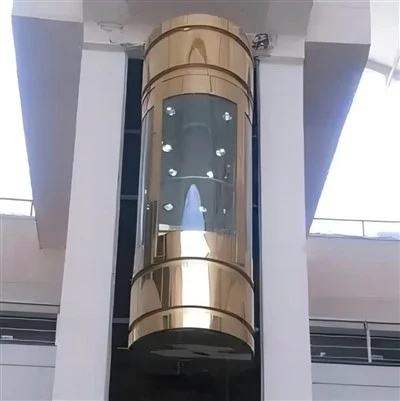
When it comes to equipping buildings with passenger lifts, one of the most common dilemmas faced by building owners, architects, and facility managers is whether to opt for a new or a refurbished passenger lift. As a seasoned passenger lift supplier, I've encountered this question numerous times in my career. In this blog post, I'll delve into the key differences between new and refurbished passenger lifts to help you make an informed decision.


Initial Investment
The first and perhaps most obvious difference between new and refurbished passenger lifts lies in the initial investment. A new passenger lift represents a significant upfront cost. This is because you're paying for the latest technology, brand - new components, and a product that comes with a full - fledged warranty. The cost of a new lift can vary widely depending on factors such as the lift's capacity, the number of floors it will serve, the type of doors, and the overall design requirements. For instance, high - end, high - speed lifts for skyscrapers can cost hundreds of thousands of dollars.
On the other hand, a refurbished passenger lift generally requires a lower initial outlay. Refurbishment involves taking an existing lift and upgrading its components, such as the control system, cables, and doors. Since you're not starting from scratch, the cost of materials and labor is typically less. However, it's important to note that the price of a refurbished lift can also vary based on the extent of the refurbishment needed.
Technological Features
New passenger lifts are at the forefront of technological innovation. They often come equipped with the latest safety features, such as advanced emergency braking systems, real - time monitoring, and remote diagnostic capabilities. These features not only enhance the safety of passengers but also allow for proactive maintenance, reducing the likelihood of breakdowns.
For example, many new lifts now use regenerative drives that can convert the energy generated during the descent of the lift car into electricity, which can then be fed back into the building's power grid. This not only reduces energy consumption but also lowers operating costs over the long term. Additionally, new lifts may offer more advanced control systems, such as destination - dispatch technology, which can improve traffic flow within a building by grouping passengers with similar destinations.
Refurbished passenger lifts, while they can be upgraded with some modern features, may not have access to the very latest technology. The extent of technological upgrades in a refurbished lift depends on the age and condition of the existing lift. In some cases, it may be possible to install a new control system or add safety features, but there may be limitations due to the existing infrastructure. For example, older lift shafts may not be compatible with the latest high - speed lift technology.
Aesthetics and Customization
When it comes to aesthetics and customization, new passenger lifts offer a wide range of options. You can choose from a variety of finishes for the lift car, including different types of wood, stainless steel, and glass. The design of the lift doors, control panels, and lighting can also be tailored to match the overall style of the building. This level of customization allows for a seamless integration of the lift into the building's architecture, enhancing the overall look and feel of the space.
Refurbished passenger lifts, while they can be given a facelift, may have some limitations in terms of customization. The existing structure of the lift car and shaft may restrict the types of finishes and designs that can be implemented. For example, if the lift shaft has a non - standard size or shape, it may be difficult to install certain types of doors or interior finishes. However, with careful planning and creative solutions, it is still possible to achieve a significant improvement in the aesthetics of a refurbished lift.
Lifespan and Reliability
New passenger lifts are designed to have a long lifespan, typically around 20 - 30 years with proper maintenance. They are built with high - quality components and are subject to strict quality control during the manufacturing process. This ensures that they can withstand the rigors of daily use and provide reliable service over an extended period.
Refurbished passenger lifts can also have a reasonable lifespan, but it depends on the age and condition of the original lift. If the lift is relatively new and in good condition, a thorough refurbishment can extend its lifespan by 10 - 15 years. However, if the lift is very old, there may be underlying issues with the structure and components that could limit its long - term reliability. Regular maintenance is crucial for both new and refurbished lifts, but the frequency and type of maintenance required may differ. New lifts may require less frequent maintenance due to their advanced technology and high - quality components, while refurbished lifts may need more regular checks to ensure that the upgraded components are functioning properly.
Environmental Impact
New passenger lifts are often designed with environmental sustainability in mind. As mentioned earlier, many new lifts use regenerative drives to reduce energy consumption. They may also be made from more sustainable materials, and the manufacturing process may have a lower carbon footprint.
Refurbished passenger lifts can also have a positive environmental impact. By reusing an existing lift, you're reducing the amount of waste generated from scrapping the old lift and manufacturing a new one. However, the environmental benefits of a refurbished lift depend on the extent of the refurbishment. If the refurbishment involves replacing a large number of components, the environmental impact may be closer to that of a new lift.
Considerations for Different Types of Passenger Lifts
There are different types of passenger lifts, each with its own set of considerations when choosing between new and refurbished. For example, Construction Passenger Lift are often used in building sites. A new construction passenger lift may be more suitable if the site has a high volume of traffic and requires a lift with advanced safety features and high - speed capabilities. On the other hand, a refurbished construction passenger lift may be a cost - effective option for smaller sites or projects with a limited budget.
Mechanized Passenger Elevator are another type of lift that can be either new or refurbished. These lifts are typically used in industrial settings or buildings with specific mechanical requirements. New mechanized passenger elevators may offer more advanced automation and control features, while refurbished ones can be a more economical choice if the existing infrastructure can support the necessary upgrades.
Single Passenger Lift are designed for small - scale use, such as in residential buildings or small offices. A new single passenger lift can be customized to fit the specific needs of the building, while a refurbished one can be a budget - friendly option if the existing lift is in relatively good condition.
Making the Right Choice
So, how do you decide whether a new or refurbished passenger lift is the right choice for your building? The decision depends on several factors, including your budget, the specific requirements of your building, and your long - term goals. If you have a large budget, need the latest technology, and require a high level of customization, a new passenger lift may be the best option. On the other hand, if you're working with a limited budget and the existing lift has a relatively good structure, a refurbished lift could be a viable alternative.
As a passenger lift supplier, I'm here to help you navigate through these options. Whether you're interested in a Construction Passenger Lift, a Mechanized Passenger Elevator, or a Single Passenger Lift, I can provide you with detailed information and a customized solution based on your needs. If you're considering purchasing a passenger lift, I encourage you to reach out to me to discuss your requirements and explore the best options available.
References
- "Elevator Handbook" by Wolfgang Schmidke
- "Lift Technology: A Practical Guide" by Paul Stallabrass