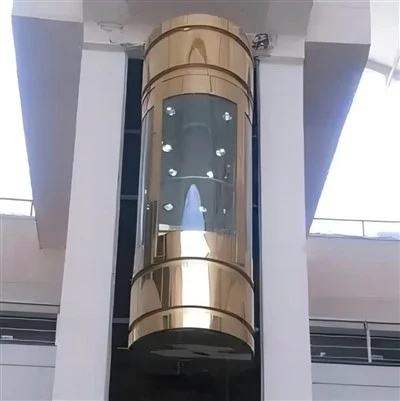
As a seasoned supplier of villa elevators, I've had numerous clients inquire about the energy consumption of villa elevators. It's an important question, considering the growing emphasis on energy efficiency and sustainability in modern home design. In this post, I'll delve into the factors that influence the energy consumption of villa elevators and provide some insights based on our experience in the industry.
Understanding the Basics of Elevator Energy Consumption
Before we get into the specifics of villa elevator energy use, it's crucial to understand the basic principles. An elevator's energy consumption is primarily determined by its operation, which includes moving up and down, opening and closing doors, and powering the control systems. The energy required for these functions depends on several key factors:
1. Elevator Type and Technology
There are different types of villa elevators available in the market, such as hydraulic, traction, and pneumatic elevators. Each type has its own energy - consumption characteristics.
- Hydraulic Elevators: These elevators use a hydraulic piston to move the cab up and down. They are known for their smooth and quiet operation. However, hydraulic elevators typically consume more energy, especially during the upward movement, as the pump needs to work against gravity to lift the cab and its passengers. The energy is also used to maintain the hydraulic pressure in the system.
- Traction Elevators: Traction elevators use a system of ropes and counterweights. The counterweight helps to offset the weight of the cab and its passengers, reducing the energy required to move the elevator. Modern traction elevators are often equipped with regenerative drives, which can convert the energy generated during the downward motion of the elevator back into electricity and feed it back into the building's electrical system. This significantly reduces their overall energy consumption.
- Pneumatic Elevators: Pneumatic elevators operate on the principle of air pressure. They are relatively new to the market and are known for their energy - efficient design. These elevators use less energy because they don't require a large motor or a complex system of ropes and pulleys. The air pressure system allows for a more straightforward and energy - saving operation.
2. Load Capacity
The load capacity of a villa elevator also plays a significant role in its energy consumption. An elevator with a higher load capacity will generally require more energy to move, as it needs to lift a greater mass. For example, a villa elevator designed to carry six people will consume more energy than one designed for two people, especially when fully loaded.
3. Frequency of Use
How often the elevator is used is another important factor. A villa elevator in a large family home where multiple people use it throughout the day will consume more energy than one in a vacation home that is only used occasionally. The more frequently the elevator starts and stops, the more energy it will use, as each start - stop cycle requires a certain amount of energy to accelerate and decelerate the cab.
4. Travel Distance
The distance the elevator travels between floors also affects its energy consumption. An elevator that serves a three - story villa will use less energy than one in a five - or six - story villa. The longer the travel distance, the more energy is required to move the elevator cab up and down.
Measuring and Reducing Energy Consumption
As a supplier, we are committed to providing our clients with energy - efficient villa elevators. We use advanced technologies and design features to minimize energy use without compromising on performance or comfort.
Measuring Energy Consumption
To accurately measure the energy consumption of our villa elevators, we use state - of - the - art monitoring systems. These systems track the energy used by the elevator's motor, control systems, and other components over a period of time. By analyzing this data, we can identify areas where energy consumption can be reduced and make appropriate adjustments.
Reducing Energy Consumption
Here are some of the ways we help our clients reduce the energy consumption of their villa elevators:


- Energy - Efficient Motors: We install high - efficiency motors in our elevators. These motors are designed to use less energy while providing the same level of performance. They are also more reliable and require less maintenance.
- Regenerative Drives: As mentioned earlier, regenerative drives can significantly reduce the energy consumption of traction elevators. We offer this technology as an option for our clients, allowing them to save on energy costs in the long run.
- Intelligent Control Systems: Our elevators are equipped with intelligent control systems that optimize the elevator's operation. For example, the system can adjust the speed of the elevator based on the load and the travel distance, reducing energy consumption. It can also put the elevator into a standby mode when not in use, further saving energy.
Real - World Examples
Let's take a look at some real - world examples to illustrate the energy consumption differences between different types of villa elevators.
- Case Study 1: Hydraulic vs. Traction Elevators
In a three - story villa, a hydraulic elevator with a load capacity of four people was found to consume approximately 1500 kWh of electricity per year. In contrast, a traction elevator with the same load capacity and serving the same number of floors, equipped with a regenerative drive, consumed only 800 kWh per year. This shows a significant energy savings of around 47% with the traction elevator. - Case Study 2: Pneumatic Elevator
In a two - story vacation home, a pneumatic elevator with a load capacity of two people was used sparingly. The annual energy consumption was estimated to be around 300 kWh, which is much lower compared to hydraulic or traction elevators in similar settings.
Conclusion
The energy consumption of a villa elevator is influenced by several factors, including the type of elevator, load capacity, frequency of use, and travel distance. As a villa elevator supplier, we understand the importance of energy efficiency and are dedicated to providing our clients with solutions that minimize energy consumption.
If you're considering installing a villa elevator in your home, we offer a range of options to suit your needs and budget. You can explore our Luxury Lift, Elevators For Villas, and Villa Elevator Lift on our website.
We're here to help you make an informed decision about your villa elevator purchase. Contact us to discuss your requirements and start saving on energy costs while enjoying the convenience of a villa elevator.
References
- ASME A17.1 - 2019, Safety Code for Elevators and Escalators
- ISO 25745 - 1:2012, Lifts (elevators) - Energy performance of lifts, Part 1: General and rating
- Elevator manufacturers' technical documentation.