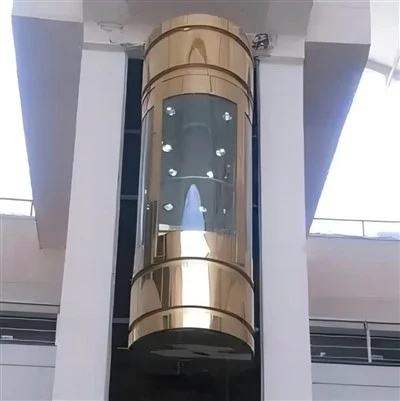
Hey there! As a supplier of Electric Passenger Lifts, I often get asked about the installation process. It's a pretty involved task, but I'm here to break it down for you in a simple and easy - to - understand way.
Pre - installation Assessment
Before we even start thinking about getting the lift installed, we need to do a thorough assessment of the site. This is super important because every building is different, and we need to make sure the lift will fit in perfectly and work safely.
First off, we'll measure the space where the lift is going to be installed. We need to know the height of the shaft, the width, and the depth. If there are any existing structures or obstacles in the area, we'll take note of those too. For example, if there are pipes or electrical wires in the way, we'll need to figure out how to work around them.
We also check the building's electrical system. An electric passenger lift needs a reliable power supply to operate. We'll make sure that the building's electrical panel can handle the additional load of the lift. If not, we might need to upgrade it. And we'll look at the voltage requirements of the lift model we're planning to install.
Another aspect of the pre - installation assessment is to consider the building's traffic flow. We need to determine the best location for the lift so that it's easily accessible for passengers and doesn't disrupt the normal movement of people in the building. For instance, in a commercial building, we'd want to place the lift near the main entrance or in a central area.
Ordering the Lift
Once the assessment is done, it's time to order the lift. At our company, we offer a variety of electric passenger lifts. You can choose from Automatic Passenger Elevator, which are super convenient as they operate automatically, or Hydraulic Passenger Lift, which are known for their smooth and quiet operation. And if you're looking for a lift for your home, we have Passenger Lift for Homes that are designed to fit the specific needs of residential buildings.
When ordering, we take into account all the details from the pre - installation assessment. We make sure to select the right size, capacity, and features of the lift. For example, if the building has a high traffic volume, we might recommend a lift with a larger capacity. And if the building has a modern design, we can offer lifts with stylish and contemporary finishes.
Preparing the Installation Site
While waiting for the lift to arrive, we start preparing the installation site. This includes building the lift shaft if it doesn't already exist. The shaft needs to be strong and stable as it will house the lift car and the machinery. We use high - quality materials like steel and concrete to construct the shaft.
We also install the guide rails inside the shaft. These rails are essential as they guide the lift car up and down. They need to be installed very precisely to ensure a smooth and safe ride. We use laser levels and other precision tools to make sure the guide rails are perfectly straight and aligned.
At the same time, we install the electrical wiring and cabling for the lift. This is a critical step as any mistakes in the wiring can lead to malfunctions or safety hazards. We follow all the electrical codes and standards to ensure the wiring is done correctly.
Installing the Lift Components
Once the lift arrives at the site, we start installing the components. First, we install the lift car. This is the part where the passengers will be traveling. We carefully lower the lift car into the shaft and attach it to the guide rails. We make sure it's level and properly secured.
Next, we install the machinery and control systems. The machinery includes the motor, the drive system, and the braking system. These components are responsible for moving the lift car up and down and stopping it safely at each floor. The control system manages the operation of the lift, including responding to the floor requests from the passengers.
We also install the doors of the lift. The doors need to open and close smoothly and securely. We test the door mechanisms to make sure they work properly and that they can detect any obstructions to prevent accidents.
Testing and Commissioning
After all the components are installed, it's time for testing. We conduct a series of tests to make sure the lift is working correctly. First, we do a static test to check the alignment and stability of the lift car and the machinery. Then, we do a dynamic test where we run the lift up and down the shaft to test its speed, acceleration, and braking.


We also test all the safety features of the lift, such as the emergency stop button, the door interlocks, and the overspeed governor. These safety features are crucial for the well - being of the passengers. If any issues are found during the testing, we immediately fix them.
Once all the tests are passed successfully, we commission the lift. This means that the lift is now ready for use. We provide training to the building management and the maintenance staff on how to operate and maintain the lift.
Post - installation Support
Even after the lift is installed and commissioned, our work doesn't end there. We offer post - installation support to ensure that the lift continues to operate smoothly. We provide regular maintenance services to check the components, lubricate the moving parts, and replace any worn - out parts.
We also offer 24/7 emergency repair services. In case of any breakdowns or malfunctions, our technicians will be on - site as soon as possible to fix the problem.
If you're in the market for an electric passenger lift, whether it's for a commercial building or your home, we're here to help. We have the expertise and experience to handle the entire installation process from start to finish. Contact us to discuss your requirements and get a quote. We're looking forward to working with you to provide a reliable and safe electric passenger lift solution.
References
- Lift Installation Manuals from Leading Manufacturers
- Electrical and Building Codes for Lift Installations