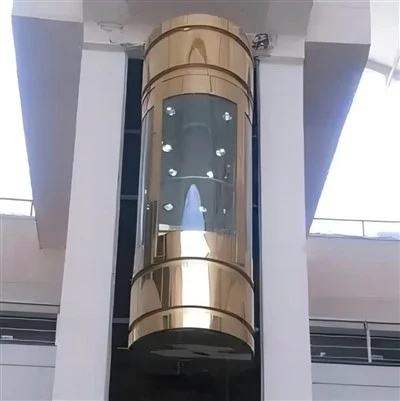
Hey there! As a supplier of passenger lifts, I often get asked about the lifespan of these essential pieces of equipment. It's a crucial question, especially for building owners, facility managers, and anyone involved in the construction or operation of buildings where passenger lifts are used. So, let's dive into what affects the lifespan of a passenger lift and what you can expect.
Factors Affecting the Lifespan of a Passenger Lift
1. Quality of Installation
The initial installation of a passenger lift plays a huge role in its long - term performance. A poorly installed lift is likely to have more problems down the line. For example, if the alignment of the lift car and the hoistway is off, it can cause excessive wear and tear on the components. At our company, we make sure that every installation is carried out by highly trained technicians who follow all the industry standards. This sets a solid foundation for a long - lasting lift.
2. Usage Frequency
Just like any other machine, the more a passenger lift is used, the faster its components will wear out. In a busy commercial building with high traffic, such as a shopping mall or a large office complex, the lift might be in operation hundreds of times a day. On the other hand, a lift in a small residential building with only a few families using it might not be used as frequently. High - usage lifts typically need more maintenance and are likely to have a shorter lifespan compared to low - usage ones.
3. Maintenance and Servicing
Regular maintenance is the key to extending the lifespan of a passenger lift. We always recommend a comprehensive maintenance schedule that includes routine inspections, lubrication of moving parts, and replacement of worn - out components. Skipping maintenance can lead to small problems turning into major issues. For instance, a minor misalignment in the door mechanism, if not addressed, can cause the doors to malfunction completely over time. By investing in proper maintenance, building owners can significantly increase the lifespan of their lifts.
4. Environmental Conditions
The environment in which the lift operates also matters. Lifts in humid or corrosive environments, such as those near the coast or in industrial areas, are more prone to rust and corrosion. This can damage the metal components of the lift, including the cables, guide rails, and car frame. In contrast, lifts in a clean and dry environment are likely to last longer.
5. Technological Advancements
Over time, new technologies are developed in the lift industry. Older lifts might not have the same level of energy efficiency, safety features, or reliability as newer models. If a building owner wants to keep up with the latest standards and ensure the best performance, they might consider upgrading their lift after a certain period. This doesn't necessarily mean replacing the entire lift but rather upgrading some of the key components, such as the control system or the drive unit.
Typical Lifespan of Different Types of Passenger Lifts
High Speed Passenger Elevator
High - speed passenger elevators are designed for tall buildings where quick transportation between floors is essential. These lifts are usually more complex and have higher - performance components. On average, a well - maintained High Speed Passenger Elevator can last between 20 to 25 years. However, due to their high - speed operation and heavy usage, they require more frequent maintenance and component replacements compared to standard - speed lifts.
Temporary Passenger Elevators
Temporary passenger elevators are often used during construction projects or for short - term applications. These lifts are designed to be more portable and less permanent. Their lifespan is typically much shorter, usually around 5 to 10 years. They are subjected to the rigors of construction sites, which can include rough handling, exposure to dust and debris, and changing environmental conditions. Temporary Passenger Elevators need to be inspected regularly to ensure they remain safe and operational during their short - term use.
Small Passenger Elevator
Small passenger elevators are commonly found in small residential buildings, private homes, or low - rise commercial buildings. They are less complex and have lower usage compared to larger commercial lifts. With proper maintenance, a Small Passenger Elevator can last anywhere from 15 to 20 years. These lifts are often more affordable to maintain and repair, making them a popular choice for smaller buildings.
Extending the Lifespan of Your Passenger Lift
1. Follow a Strict Maintenance Schedule
As I mentioned earlier, regular maintenance is crucial. Make sure to hire a professional lift maintenance company that has experience with your specific type of lift. They can perform detailed inspections, identify potential problems early, and carry out the necessary repairs and replacements.
2. Upgrade When Necessary
Keep an eye on technological advancements in the lift industry. If your lift is starting to show signs of age, such as slower operation or more frequent breakdowns, consider upgrading some of the components. This can improve the performance, safety, and energy efficiency of your lift, and also extend its lifespan.
3. Train Your Staff
If you have building staff or operators who interact with the lift regularly, provide them with proper training. They should know how to operate the lift correctly, recognize abnormal behavior, and report any issues immediately. This can help prevent damage to the lift caused by improper use.
Conclusion
The lifespan of a passenger lift can vary widely depending on several factors, including installation quality, usage frequency, maintenance, environmental conditions, and technological advancements. On average, high - speed passenger elevators can last 20 - 25 years, temporary passenger elevators 5 - 10 years, and small passenger elevators 15 - 20 years. By taking good care of your lift through regular maintenance, timely upgrades, and proper training, you can ensure that it serves you well for many years.
If you're in the market for a new passenger lift or need help with maintaining your existing one, don't hesitate to reach out. We're here to assist you with all your passenger lift needs. Whether you're looking for a high - speed elevator for a skyscraper or a small lift for a residential building, we have the expertise and the products to meet your requirements. Contact us today to start a conversation about your lift project!


References
- International Organization for Standardization (ISO). (2017). ISO 4190 - 1:2017 - Cranes -- Classification -- Part 1: General.
- Lift and Escalator Industry Association (LEIA). (2020). Best Practices for Lift Maintenance.