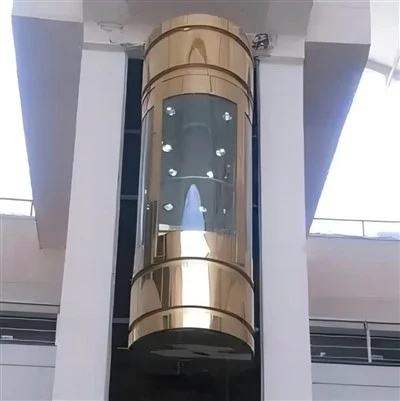
Hey there! As a supplier of Vacuum Passenger Lifts, I often get asked about the maintenance difficulty level of these innovative elevators. So, I thought I'd take a moment to break it down for you and give you the lowdown on what to expect.
First off, let's talk about what makes a Vacuum Passenger Lift different from traditional elevators. Unlike conventional elevators that use cables and pulleys to move up and down, Vacuum Passenger Lifts operate on a completely different principle. They use air pressure differentials to move the elevator car, which means there are no cables, counterweights, or machine rooms required. This not only makes them more space-efficient but also reduces the number of moving parts, which can potentially lower the maintenance requirements.
Now, let's get into the nitty-gritty of the maintenance difficulty level. In general, Vacuum Passenger Lifts are considered to have a relatively low maintenance difficulty level compared to traditional elevators. Here are some of the reasons why:
Fewer Moving Parts
As I mentioned earlier, Vacuum Passenger Lifts have fewer moving parts than traditional elevators. This means there are fewer components that can wear out or break down over time. With fewer parts to maintain, the overall maintenance process is simplified, and the chances of unexpected breakdowns are reduced.
Self-Diagnostic Systems
Many Vacuum Passenger Lifts are equipped with self-diagnostic systems that can detect and report any potential issues before they become major problems. These systems use sensors and advanced algorithms to monitor the performance of the elevator and alert the maintenance team if any abnormalities are detected. This proactive approach to maintenance helps to prevent costly repairs and downtime.
Easy Access to Components
Another advantage of Vacuum Passenger Lifts is that they are designed for easy access to components. Unlike traditional elevators, which often require specialized tools and equipment to access certain parts, Vacuum Passenger Lifts have a modular design that allows for quick and easy maintenance. This means that maintenance technicians can easily reach and replace any faulty components, reducing the time and cost of maintenance.
Reduced Lubrication Requirements
Traditional elevators require regular lubrication of their moving parts to ensure smooth operation. This can be a time-consuming and messy process, and it also requires the use of specialized lubricants. Vacuum Passenger Lifts, on the other hand, have fewer moving parts that require lubrication, which means less maintenance and lower costs.
Less Wear and Tear
Because Vacuum Passenger Lifts operate on a different principle than traditional elevators, they experience less wear and tear on their components. The use of air pressure differentials to move the elevator car reduces the stress on the mechanical parts, which can extend their lifespan and reduce the need for frequent replacements.
However, it's important to note that while Vacuum Passenger Lifts have a relatively low maintenance difficulty level, they still require regular maintenance to ensure safe and reliable operation. Here are some of the key maintenance tasks that need to be performed on a regular basis:
Regular Inspections
Regular inspections are essential to ensure that the Vacuum Passenger Lift is operating safely and efficiently. These inspections should be performed by a qualified maintenance technician and should include a visual inspection of the elevator car, the hoistway, and the control system. The technician should also check for any signs of wear and tear, loose connections, or other potential issues.
Cleaning and Sanitization
The passenger compartment of an elevator, also known as the Passenger Compartment Of An Elevator, should be cleaned and sanitized on a regular basis to ensure the health and safety of passengers. This includes wiping down the surfaces, vacuuming the floors, and disinfecting the handrails and buttons.
Testing of Safety Features
The safety features of the Vacuum Passenger Lift, such as the emergency stop button, the door interlocks, and the overspeed governor, should be tested regularly to ensure they are functioning properly. These tests should be performed in accordance with the manufacturer's recommendations and any applicable safety standards.
Software Updates
Many Vacuum Passenger Lifts are equipped with advanced control systems that rely on software to operate. These systems should be updated regularly to ensure they are running the latest version of the software, which can improve performance, reliability, and safety.
In conclusion, the maintenance difficulty level of a Vacuum Passenger Lift is relatively low compared to traditional elevators. The fewer moving parts, self-diagnostic systems, easy access to components, reduced lubrication requirements, and less wear and tear all contribute to a simpler and more cost-effective maintenance process. However, regular maintenance is still required to ensure safe and reliable operation.
If you're considering installing a Vacuum Passenger Lift in your home or commercial building, whether it's a Passenger Lift for Homes or a Commercial Passenger Elevators, I'd be happy to discuss your options and answer any questions you may have. We offer high-quality Vacuum Passenger Lifts that are designed to meet your specific needs and budget. Contact us today to start the conversation and see how we can help you take your building to the next level.


References:
- Manufacturer's documentation for Vacuum Passenger Lifts
- Industry standards and guidelines for elevator maintenance
- Personal experience as a Vacuum Passenger Lift supplier