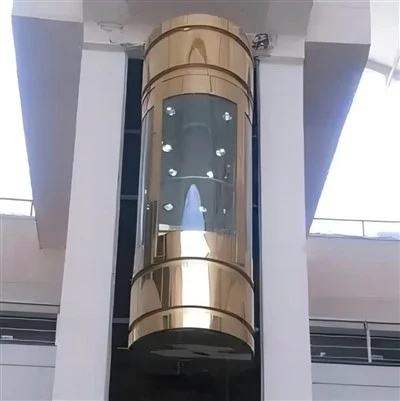
As a dedicated supplier of Home Capsule Lifts, I am thrilled to take you through the intricate manufacturing process of these remarkable vertical transportation solutions. Home Capsule Lifts, like the ones you can explore at Home Capsule Lift, are not just functional; they are a blend of innovation, safety, and aesthetic appeal.
Design Phase
The manufacturing journey of a Home Capsule Lift begins with the design phase. This is where the vision for the lift takes shape, considering both the technical requirements and the aesthetic preferences of the end - user. Our team of experienced engineers and designers work closely with clients to understand their specific needs. Whether it's a small space that requires a Small Capsule Lift or a grand residence that calls for a more elaborate design, every detail is carefully considered.
We use advanced 3D modeling software to create virtual prototypes of the lift. This allows us to visualize the final product from every angle and make any necessary adjustments before moving on to the actual production. During this phase, we also focus on safety features. The lift must comply with all relevant safety standards, including emergency stop buttons, door interlocks, and overload protection systems.
Material Selection
Once the design is finalized, the next crucial step is material selection. The quality of materials used in a Home Capsule Lift directly impacts its durability, performance, and appearance. For the cabin, we often choose high - strength steel for the frame. Steel provides the necessary structural integrity to support the weight of passengers and withstand the forces exerted during operation.
The cabin walls can be made from a variety of materials, such as glass or high - quality acrylic. Glass is a popular choice, especially for Glass Panoramic Elevator models, as it offers a clear view of the surroundings, creating a sense of openness and elegance. We source our glass from trusted suppliers who ensure its strength and safety through processes like tempering.
The guide rails, which are essential for the smooth movement of the lift, are typically made of hardened steel. These rails are precision - engineered to provide a stable and reliable path for the lift car. Additionally, the cables or belts used for hoisting the lift are made from high - tensile materials to ensure safe and efficient operation.
Manufacturing the Cabin
The manufacturing of the cabin is a multi - step process. First, the steel frame is cut and welded according to the design specifications. Our welders are highly skilled and follow strict quality control measures to ensure the strength and stability of the frame. After the frame is completed, it undergoes a surface treatment process, such as powder coating or galvanizing, to protect it from corrosion.
Next, the cabin walls are installed. If using glass, it is carefully cut and shaped to fit the frame. Special seals are used to prevent water and air leakage, and to ensure a secure fit. The cabin interior is then customized according to the client's preferences. This may include installing lighting fixtures, handrails, and control panels. The control panels are designed to be user - friendly, with clear buttons and displays for easy operation.
Installation of the Hoisting System
The hoisting system is the heart of the Home Capsule Lift. It is responsible for moving the lift car up and down. There are two main types of hoisting systems: traction and hydraulic. Traction systems use cables or belts and a motor - driven sheave to lift the car, while hydraulic systems use a piston and a hydraulic fluid to provide the lifting force.
We carefully select the appropriate hoisting system based on the specific requirements of the lift, such as the height of the building, the load capacity, and the available space. The installation of the hoisting system requires precision and expertise. The cables or belts are properly tensioned, and the motor and control systems are calibrated to ensure smooth and accurate movement of the lift car.
Assembly and Testing
After the cabin and hoisting system are completed, the lift is assembled on - site. Our installation team follows a detailed assembly plan to ensure that all components are correctly installed and connected. Once the assembly is finished, the lift undergoes a series of rigorous tests.
These tests include functionality tests to ensure that all buttons, doors, and safety features work properly. Load tests are also conducted to verify that the lift can safely carry the maximum rated load. We also perform speed and leveling tests to ensure that the lift moves at the correct speed and stops accurately at each floor.
Quality Control
Quality control is an integral part of the manufacturing process. At every stage, from material selection to final testing, our quality control team conducts inspections to ensure that the lift meets our high standards. We use a combination of visual inspections, non - destructive testing methods, and performance tests to identify and correct any potential issues.
Any lift that does not meet our quality criteria is not released for installation. We are committed to providing our customers with Home Capsule Lifts that are safe, reliable, and of the highest quality.
Delivery and Installation
Once the lift has passed all the tests and quality control checks, it is ready for delivery. We work closely with our logistics partners to ensure that the lift is transported safely to the installation site. Our installation team arrives at the site fully prepared, with all the necessary tools and equipment.


The installation process can take several days, depending on the complexity of the lift and the site conditions. Our team works efficiently to minimize disruption to the client's property. After the installation is complete, we provide training to the client on how to operate and maintain the lift.
Maintenance and Support
Even after the lift is installed, our commitment to our customers does not end. We offer comprehensive maintenance and support services. Regular maintenance is essential to keep the lift in optimal condition and to prevent any potential problems. Our maintenance technicians are trained to perform routine inspections, lubricate moving parts, and replace worn - out components.
We also provide 24/7 support in case of emergencies. Our customers can rely on us to respond quickly and resolve any issues that may arise with their Home Capsule Lifts.
In conclusion, the manufacturing process of a Home Capsule Lift is a complex and detailed journey that involves design, material selection, manufacturing, installation, and ongoing support. At our company, we take pride in our ability to produce high - quality lifts that meet the diverse needs of our customers. If you are interested in purchasing a Home Capsule Lift for your home or building, we invite you to contact us for a detailed discussion about your requirements. We are ready to work with you to create the perfect vertical transportation solution for your space.
References
- Elevator Design and Installation Standards Handbook
- Materials Science for Elevator Manufacturing
- Safety Guidelines for Residential Elevators